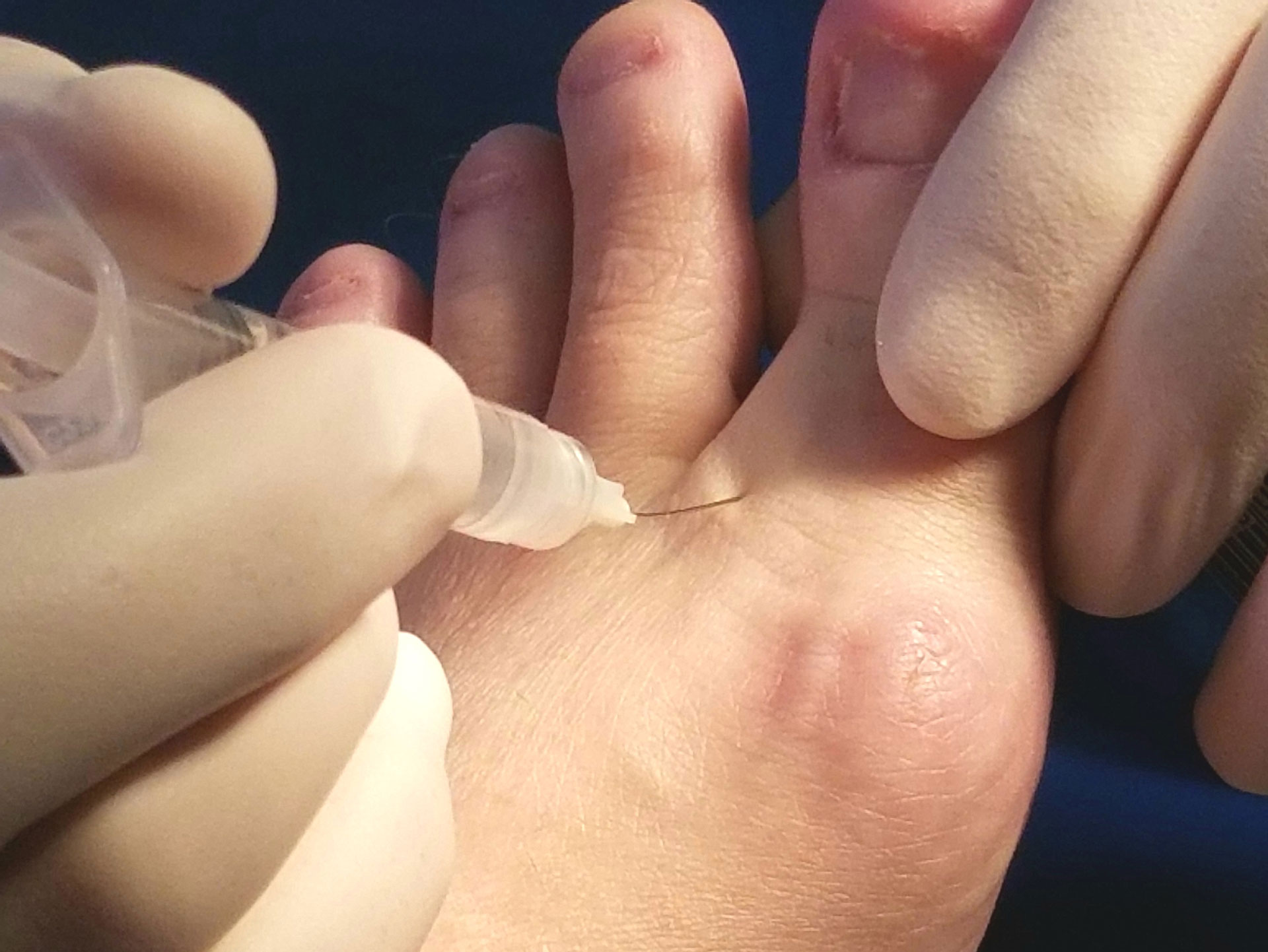
Persistent heel pain can significantly impact your daily life, making simple tasks like walking or standing a challenge. Chronic heel issues, such as plantar fasciitis or Achilles tendinitis, often resist traditional treatments, leaving individuals searching for effective, lasting solutions.
Enter amniotic injection therapy—a cutting-edge approach designed to reduce pain, speed up healing, and restore mobility. This innovative treatment shows great promise for those battling ongoing discomfort, offering a new avenue for relief and recovery.
Understanding Chronic Heel Pain: Common Causes and Challenges

Chronic heel pain is a complex issue that can stem from various causes, often complicating diagnosis and treatment. Understanding its common triggers and associated challenges is crucial for effective management. Below, we explore the most frequent causes and hurdles in addressing this persistent condition.
Common Causes of Chronic Heel Pain
- Plantar Fasciitis: The most prevalent cause, it arises from inflammation or degeneration of the plantar fascia, a band of connective tissue that supports the foot arch. It often causes severe pain with the first steps after resting.
- Achilles Tendinitis: This condition affects the Achilles tendon at the back of the heel, leading to discomfort, stiffness, and swelling due to overuse or stress.
- Heel Pad Atrophy: With age or repetitive trauma, the fat pad beneath the heel can thin, reducing cushioning and leading to a bruised-like pain in the heel.
- Stress Fractures: Tiny cracks in the calcaneus (heel bone) from repetitive impact or increased physical activity.
- Tarsal Tunnel Syndrome: Nerve compression in the ankle that causes burning, tingling, or radiating pain into the heel.
Challenges in Diagnosis and Treatment
- Vague Symptoms: Many conditions share overlapping symptoms, such as tenderness, swelling, or stiffness, making precise identification difficult.
- Refractory Cases: Some patients experience limited relief from standard treatments, such as physical therapy or medications.
- Varied Etiologies: Mechanical, neurological, and systemic issues like arthritis or diabetes can all contribute to heel pain, requiring a multifaceted approach to care.
Proper diagnosis often relies on a thorough history, physical exams, and imaging studies. Despite challenges, personalized treatment plans, including innovative options like amniotic injection therapy, offer significant promise in managing chronic heel pain effectively.
Related: Leneva for Fat Pad Restoration: A Game-Changer in Podiatry
Why Traditional Treatments Often Fall Short for Heel Pain Relief
Many conventional treatments for heel pain, including plantar fasciitis, are commonly used and often effective for short-term relief. However, for persistent or complex heel conditions, these approaches may fall short. It’s important to understand their limitations to seek alternative solutions when needed.
Limitations of Traditional Treatments
- Nonsteroidal Anti-Inflammatory Drugs (NSAIDs): While NSAIDs can ease inflammation and provide temporary relief, they do not address the structural or mechanical causes of heel pain. Additionally, extended use can lead to gastrointestinal and kidney issues.
- Orthotics and Night Splints: Customized or prefabricated orthoses can help with foot alignment and reduce pressure on affected areas, but they rely heavily on patient compliance and don’t repair damaged tissues or ligaments.
- Physical Therapy: Stretching and strengthening exercises target muscle and mobility deficiencies. However, they may fall short in cases involving partial tears or advanced degeneration, where tissue repair is crucial.
- Corticosteroid Injections: These are often used as a secondary line of treatment for severe cases. While they can provide quick pain relief, repeated injections may weaken the plantar fascia or lead to complications like fat pad atrophy or even rupture.
Why They May Fail
Traditional methods focus primarily on symptom management rather than treating the underlying issue, such as tissue degeneration, nerve involvement, or biomechanical imbalances. This can result in recurrent pain and frustration for patients whose real condition remains unaddressed. For chronic or refractory cases, therapies aimed at restoring and regenerating damaged tissues, like amniotic injection therapy, offer more comprehensive and lasting relief by targeting the root cause.
Related: The Use of Regenerative Medicine in Treating Foot Deformities
Introducing Amniotic Injection Therapy: What Is It and How Does It Work?
Amniotic injection therapy is an advanced, regenerative treatment designed to promote healing and repair in damaged tissues. It leverages the unique properties of amniotic fluid and membranes, ethically collected from consenting donors during cesarean births. By directly targeting the injury site, this therapy offers a promising alternative for individuals with chronic heel issues, such as plantar fasciitis or Achilles tendinitis, especially when conventional treatments fall short.
How It Works
Amniotic fluid and membranes are rich in biologically active components that stimulate tissue repair and regeneration. These include:
- Growth Factors: Over 200 growth factors, such as vascular endothelial growth factor (VEGF) and fibroblast growth factor (FGF), encourage cell growth and repair.
- Cytokines: These natural anti-inflammatory agents help reduce inflammation and ease pain without the need for steroids.
- Extracellular Matrix (ECM): Provides structural support for cell migration and promotes the body’s repair processes.
- Hyaluronic Acid: Enhances lubrication in the tissue, aiding movement and reducing friction.
During the procedure, these components are injected into the most affected areas under guidance, such as the heel or Achilles tendon, where they activate the body’s own stem cells to rebuild and restore damaged tissues.
Benefits for Chronic Heel Pain
- Regeneration at the Root: Encourages lasting tissue repair rather than temporary symptom relief.
- Anti-inflammatory Properties: Naturally reduces inflammation, easing pain without adverse side effects.
- Rapid Recovery: Patients often report noticeable improvements within weeks, with minimal risk and no downtime.
- Safe and Ethical: Derived from carefully screened donors, ensuring safety and eliminating ethical concerns.
Amniotic injection therapy offers a cutting-edge, effective solution for chronic heel pain, restoring mobility and comfort for individuals seeking long-term relief.
Related: Amniotic Injections: A Breakthrough in Foot and Ankle Treatment
The Science Behind Amniotic Injection Therapy: Healing and Regeneration Explained
Amniotic injection therapy harnesses the natural regenerative properties of amniotic fluid and membrane to promote healing and tissue repair. The foundational science lies in its biologically active components, such as growth factors, cytokines, and extracellular matrix (ECM), each playing vital roles in rejuvenating damaged tissue.
Growth factors are key signaling molecules derived from amniotic tissue that stimulate cellular activities essential for recovery. These include vascular endothelial growth factor (VEGF), which enhances blood vessel formation, and fibroblast growth factor (FGF), which accelerates cell growth and repair processes. Combined, these elements support the rebuilding of healthy tissue and the resolution of chronic damage.
Cytokines present within amniotic fluid provide a strong anti-inflammatory effect, crucial for alleviating the persistent inflammation often associated with chronic heel conditions like plantar fasciitis and Achilles tendinitis. Unlike corticosteroids, which can weaken tissue over time, these naturally occurring cytokines regulate inflammation without causing harm, fostering an environment conducive to long-term healing.
The extracellular matrix, a structural component of amniotic tissue, acts as a biological scaffold supporting cell migration and attachment. This framework not only encourages the body’s natural repair mechanisms but also enhances sustainability in recovery by signaling surrounding cells to maintain tissue integrity.
Together, these factors work harmoniously to accelerate regeneration while addressing the root causes of pain and dysfunction. Studies show that amniotic injections effectively reduce pain, improve tissue functionality, and rebuild compromised regions, offering a cutting-edge solution for chronic heel pain with minimal risk and maximal effectiveness. This approach revolutionizes healing by treating the underlying biology rather than masking symptoms.
Related: Regenerative Medicine: A New Perspective on Treating Corns and Calluses
Key Benefits of Amniotic Injection Therapy for Chronic Heel Issues
Amniotic injection therapy stands out as a revolutionary treatment for chronic heel issues, providing both immediate relief and long-term healing potential. Utilizing the natural regenerative properties of amniotic fluid, this therapy focuses on repairing damaged tissues rather than masking symptoms. Here are the key benefits of this advanced approach:
- Enhanced Tissue Regeneration: Amniotic injections are rich in growth factors that promote the repair of damaged tissues. This helps to rebuild healthy tissue in areas affected by conditions like plantar fasciitis and Achilles tendinitis.
- Natural Anti-inflammatory Properties: Unlike traditional treatments that use steroids, amniotic fluid injections contain cytokines, natural anti-inflammatory agents that reduce swelling and improve mobility without harmful side effects.
- Pain Relief That Lasts: Many patients experience significant pain relief shortly after treatment, often within weeks. Since amniotic injections address the root cause of pain, the relief is typically more enduring compared to temporary solutions like corticosteroids.
- Faster Recovery Times: Patients often report quicker recovery and short downtime, making it an excellent option for those seeking to return to daily activities or sports promptly.
- Safe and Ethically Sourced: Derived from consenting donors during cesarean births, the injections are safe, with minimal risk of rejection or complications.
If you’re looking for an effective, minimally invasive solution for chronic heel pain, Mid-Ohio Foot and Ankle Specialist is here to help. Their expertise in providing innovative treatments like amniotic injection therapy can be your pathway to restored comfort and mobility. Contact them today for exceptional care tailored to your needs.