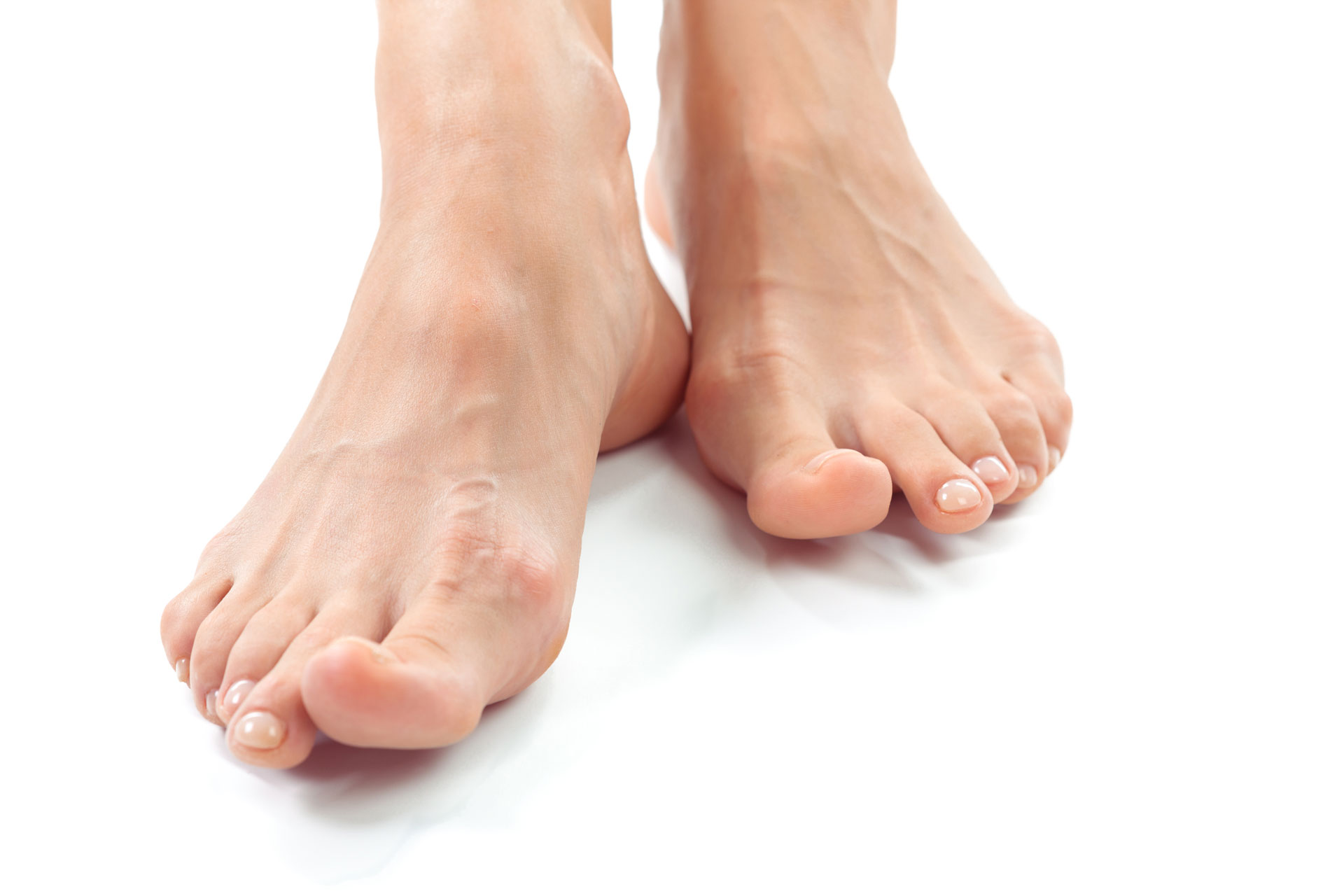
Maintaining healthy foot function is essential for overall mobility and quality of life, yet many individuals face challenges caused by the deterioration of the fat pads in their feet. These natural cushions play a vital role in absorbing shock and protecting bones and joints during everyday activities. When they thin or degrade due to age, trauma, or medical conditions, the resulting discomfort and structural issues can be life-altering.
Amid advances in podiatric care, an innovative solution has emerged—Leneva, a unique treatment designed to restore and replenish fat pad volume. This cutting-edge approach is reshaping the landscape of foot care, offering patients significant relief and improved function.
The Importance of Fat Pads in Foot Health
Fat pads are essential components of the foot’s anatomy, designed to provide cushioning, absorb shock, and protect the underlying bones and joints. Found beneath key pressure points like the heel and metatarsal heads, these specialized pads help to distribute body weight evenly across the foot. This functionality reduces pressure on specific areas, minimizing discomfort and protecting the delicate structures of the foot from stress-induced injuries.
The fat pads play a significant role in mobility and balance, acting as natural shock absorbers during activities like walking, running, and jumping. They protect joints, muscles, and ligaments from excessive impacts, ensuring the foot remains stable and aligned. Additionally, fat pads help maintain comfort during prolonged standing or walking by regulating pressure and preventing the development of calluses, corns, and other painful conditions.
However, the deterioration of fat pads due to age, repetitive stress, trauma, or medical conditions can have a profound impact on foot health. Fat pad thinning reduces their ability to cushion and protect, leading to increased vulnerability to pressure-related discomfort, sensitivity, and pain. Over time, this loss can contribute to structural issues, decreased mobility, and an elevated risk of injuries, all of which significantly affect a person’s quality of life.
Preserving the integrity of fat pads is critical for long-term foot health. When damage occurs, addressing it promptly through modern treatments can help restore their protective function, enhancing mobility, comfort, and overall well-being.
Related: The Use of Regenerative Medicine in Treating Foot Deformities
Causes and Consequences of Fat Pad Deterioration
Fat pad deterioration, also known as fat pad atrophy, occurs when the natural cushioning beneath the feet becomes thin or loses elasticity. This condition can lead to significant discomfort and a decline in foot health. Understanding the key causes and consequences can help in identifying and addressing the condition early.
Causes of Fat Pad Deterioration:
- Aging: Natural aging decreases collagen production and fat tissue elasticity, causing the fat pads to thin over time.
- Repetitive Stress: High-impact activities such as running and jumping can compress fat pads, accelerating wear and tear.
- Improper Footwear: Wearing shoes with inadequate cushioning or high heels increases localized stress on the fat pads, promoting their breakdown.
- Medical Conditions:
- Diabetes and peripheral neuropathy can weaken connective tissues.
- Arthritis contributes to inflammation and structural damage.
- Trauma or Injury: Direct impacts or surgeries on the foot can lead to localized fat pad damage.
- Prolonged Standing on Hard Surfaces: Consistent pressure damages the protective layer over time.
Consequences of Fat Pad Deterioration:
- Chronic Pain: Thinner fat pads expose bones and joints to stress, causing persistent pain, especially in the heel and ball of the foot.
- Reduced Mobility: Pain and sensitivity make walking, standing, or high-impact activities difficult.
- Structural Foot Issues:
- Development of calluses, corns, and even ulcers due to uneven weight distribution.
- Increased risk of fractures and joint instability.
Fat pad deterioration can erode quality of life, making prompt recognition and intervention critical for maintaining foot health and preventing further complications.
Related: Amniotic Injections: A Breakthrough in Foot and Ankle Treatment
Introducing Leneva: A Breakthrough in Fat Pad Restoration
Leneva represents a revolutionary advancement in the treatment of fat pad atrophy, offering those suffering from this condition a highly effective, minimally invasive solution. Fat pad atrophy, characterized by the thinning or loss of the natural cushioning in the feet, often leads to chronic discomfort, pain, and diminished mobility. With Leneva, patients now have access to an FDA-approved treatment specifically designed to alleviate such symptoms and restore foot function.
What sets Leneva apart is its use of a biologically derived allograft adipose matrix. This innovative material, sourced from human donor tissue and processed for safety, is injected into the areas of fat pad loss. Acting as a scaffolding system, the allograft encourages the body to regenerate its own tissue over time, effectively rebuilding the natural cushioning that protects the foot’s delicate structures. The procedure, typically performed in-office under local anesthesia, utilizes ultrasound guidance to ensure the precise placement of the allograft for optimal results.
Leneva’s benefits are multifaceted. By restoring cushioning, it enhances shock absorption, reduces pain, and protects the feet from further damage. This improved comfort translates to better mobility and quality of life for patients, whether they struggle with activities like walking on hard surfaces or simply standing for extended periods. Unlike surgical implants or steroid treatments, Leneva is minimally invasive and eliminates concerns about foreign materials persisting in the body.
With its regenerative capabilities and significant potential for long-term relief, Leneva is transforming the landscape of foot care, offering new hope to those affected by fat pad atrophy.
Related: Regenerative Medicine: A New Perspective on Treating Corns and Calluses
The Benefits of Leneva for Patients
Leneva has emerged as a groundbreaking treatment for individuals suffering from fat pad atrophy, offering a range of benefits that enhance foot health, comfort, and overall quality of life. By introducing an innovative allograft adipose matrix, this minimally invasive procedure provides targeted solutions for restoring the natural cushioning of the feet. Here are the key benefits of Leneva for patients:
- Pain Relief
Leneva injections effectively restore the natural padding in the foot, significantly reducing pain caused by conditions like metatarsalgia, plantar fasciitis, and pressure-induced discomfort. Patients experience a noticeable improvement in comfort during daily activities. - Non-Surgical and Minimally Invasive
Unlike traditional surgical treatments, Leneva offers a minimally invasive solution. The procedure is quick, often performed in-office under local anesthesia, with minimal downtime and a lower risk of complications. - Natural and Long-Lasting Results
By stimulating the body’s own tissue regeneration, Leneva provides long-lasting relief. The treatment rebuilds the foot’s natural framework, enabling sustained cushioning and shock absorption. - Improved Mobility and Daily Function
Restoration of foot cushioning makes walking, standing, or even high-impact activities more manageable, helping patients regain their mobility and confidence. - Enhanced Foot Health
Leneva reduces pressure points, preventing the development of issues like calluses, blisters, and ulcers, especially in individuals with conditions such as diabetes.
With its combination of efficacy, safety, and durability, Leneva is revolutionizing care in podiatry, empowering patients to live more comfortably and actively.
Related: Innovative Healing: Transforming Foot and Ankle Sprain Recovery
Understanding the Procedure
The Leneva procedure is a straightforward, minimally invasive treatment designed to restore the natural cushioning in feet affected by fat pad atrophy. Here’s a breakdown of the key steps involved:
- Consultation and Assessment
The process begins with a thorough consultation. A podiatrist evaluates your medical history, symptoms, and the extent of fat pad loss. Imaging, such as X-rays or ultrasounds, may be used to pinpoint the areas requiring treatment. This step ensures a tailored approach that meets your specific needs. - Preparation
On the day of the procedure, the treatment area is cleaned and sterilized to reduce the risk of infection. Local anesthesia is administered to numb the site and ensure maximal comfort during the injection. - Injection Process
The Leneva allograft adipose matrix, a material derived from safely processed human fat tissue, is prepared and injected using a fine needle. Ultrasound guidance is often used to ensure the precise placement of the matrix. The injection serves as a scaffold, encouraging your body to regenerate its own fat tissue, restoring natural cushioning and support. - Post-Procedure Care
After the injection, patients are monitored briefly before heading home. It’s recommended to rest and elevate the foot for the first 24 to 48 hours and avoid high-impact activities. Supportive footwear is advised to optimize recovery.
The entire process is typically quick, with minimal downtime, allowing most patients to resume daily activities shortly after. For exceptional care and detailed guidance throughout this transformative procedure, consult the experts at Mid-Ohio Foot and Ankle Specialist. Their team is dedicated to restoring comfort and mobility for every patient.