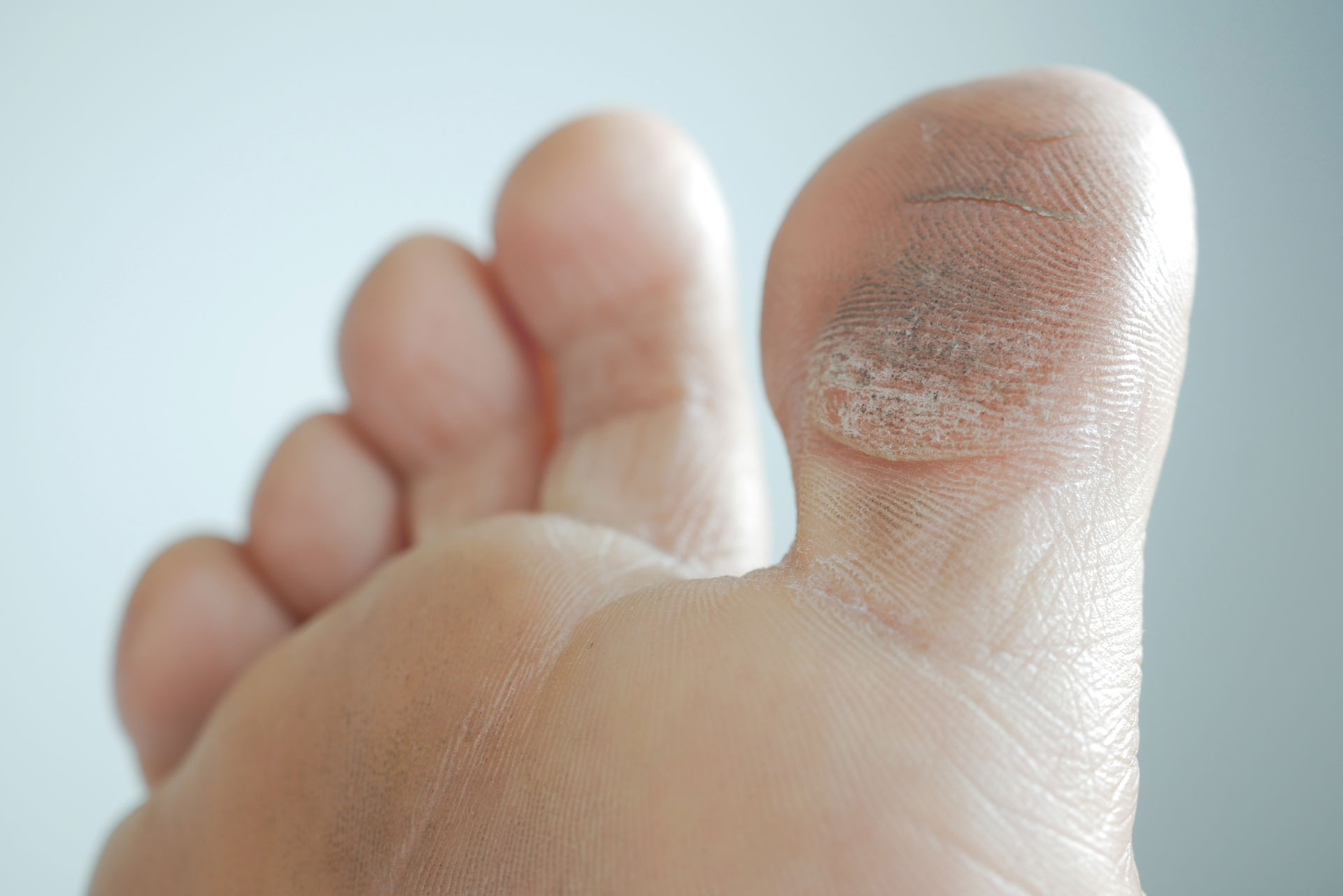
Did you know that nearly 5% of the population suffers from corns and calluses severe enough to seek medical treatment each year? While these thickened skin conditions might seem minor, they can significantly impact mobility and quality of life if left untreated.
Traditional treatments often focus on symptom management, from trimming hardened skin to using pressure-relieving insoles. However, advancements in regenerative medicine are offering a groundbreaking approach—one that aims to address these conditions at their root, promoting healing and long-term relief.
Understanding Corns and Calluses
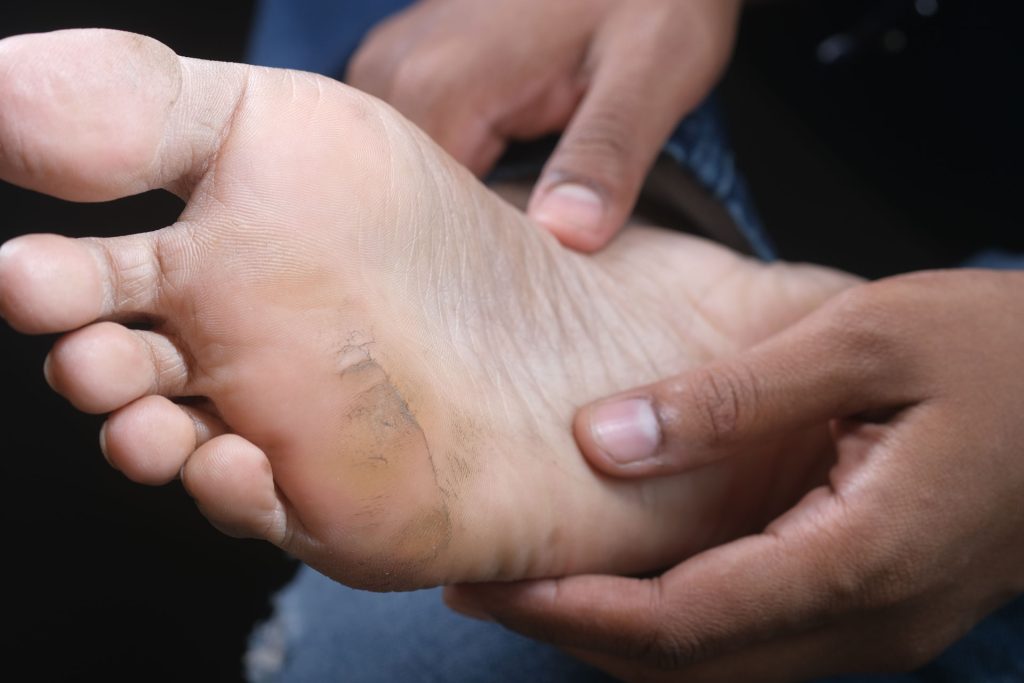
Corns and calluses are thickened areas of skin that form as part of the body’s natural response to repeated friction and pressure. While they may appear similar, there are distinct differences between the two. Corns tend to be smaller, more localized, and often develop on the tops or sides of toes. They typically have a hard center surrounded by inflamed skin and can cause discomfort when pressed. On the other hand, calluses are larger and broader, usually appearing on weight-bearing areas like the heels, balls of the feet, or palms. They are generally less sensitive than corns but may still cause discomfort.
The primary causes of corns and calluses include poorly fitting footwear, skipping socks, and repeated pressure from activities like walking, running, or using tools. High heels, for instance, can lead to excessive pressure on toes, resulting in corns, while athletes or manual laborers may develop calluses.
Although these skin formations are not usually serious, they can cause pain and affect mobility if untreated. Understanding their unique characteristics is essential for effective management and prevention. Regenerative approaches, however, aim to address these conditions beyond symptom relief, introducing long-term solutions that tackle root causes and promote healthier skin renewal.
Related: Innovative Healing: Transforming Foot and Ankle Sprain Recovery
Limitations of Traditional Treatments
While traditional methods can alleviate the symptoms of corns and calluses, they often fall short of addressing the root causes or providing long-term relief. Below are critical limitations associated with these conventional approaches:
- Symptom Management Only – Conventional treatments like trimming, protective pads, and footwear adjustments primarily focus on symptom relief. They do not target the underlying causes, such as friction from bone deformities or improper foot mechanics.
- High Risk of Recurrence – Corns and calluses frequently return after initial treatment, necessitating repeated medical visits. For example, hard corns often require ongoing debridement, providing only temporary pain relief.
- Lack of Long-Term Efficacy – Over-the-counter solutions, such as salicylic acid, can irritate surrounding skin without fully resolving the problem. Additionally, protective measures like insoles may provide partial relief but fail to prevent recurrence completely.
- Limited Adaptability – Traditional methods may not accommodate complex foot conditions, such as structural deformities or imbalanced foot pressure, contributing to persistent discomfort.
While these treatments can be beneficial for mild cases, they often do not offer a comprehensive solution. Regenerative medicine, on the other hand, aims to go beyond symptomatic care, promoting cellular repair and long-lasting healing. This progressive approach holds promise for patients seeking effective and sustainable relief from corns and calluses.
Related: Regenerative Medicine: A Promising Solution for Foot and Ankle Sprains
Applications of Regenerative Medicine in Treating Corns and Calluses
Regenerative medicine represents a breakthrough in addressing persistent corns and calluses by promoting natural tissue repair and reducing recurrence rates. Unlike traditional treatments that mainly focus on symptom relief, regenerative techniques leverage the body’s inherent healing capabilities to not only alleviate discomfort but also target root causes.
Key applications of regenerative medicine for corns and calluses include:
- Cellular Repair Through Stem Cell Therapy
Stem cell-based therapies utilize the body’s regenerative cells to repair damaged tissue caused by prolonged friction or pressure. This can mitigate the hardening of skin and encourage the development of healthier skin layers. - Platelet-Rich Plasma (PRP) Therapy
PRP involves isolating growth factors from the patient’s blood, which are then injected into the affected area. This approach enhances the body’s ability to heal hardened skin, reduce inflammation, and rebuild damaged tissue over time. - Amniotic Tissue Applications
Amniotic tissue-derived therapies harness concentrated regenerative properties to minimize inflammation and accelerate healing. These treatments are injectable and provide a minimally invasive solution for stubborn skin conditions.
By addressing the underlying contributors to corns and calluses, such as inflammation and tissue damage, regenerative medicine offers a long-term, holistic approach for patients seeking effective relief and prevention.
Related: Regenerative Medicine: A Promising Solution for Foot and Ankle Sprains
Benefits of Regenerative Medicine for Patients
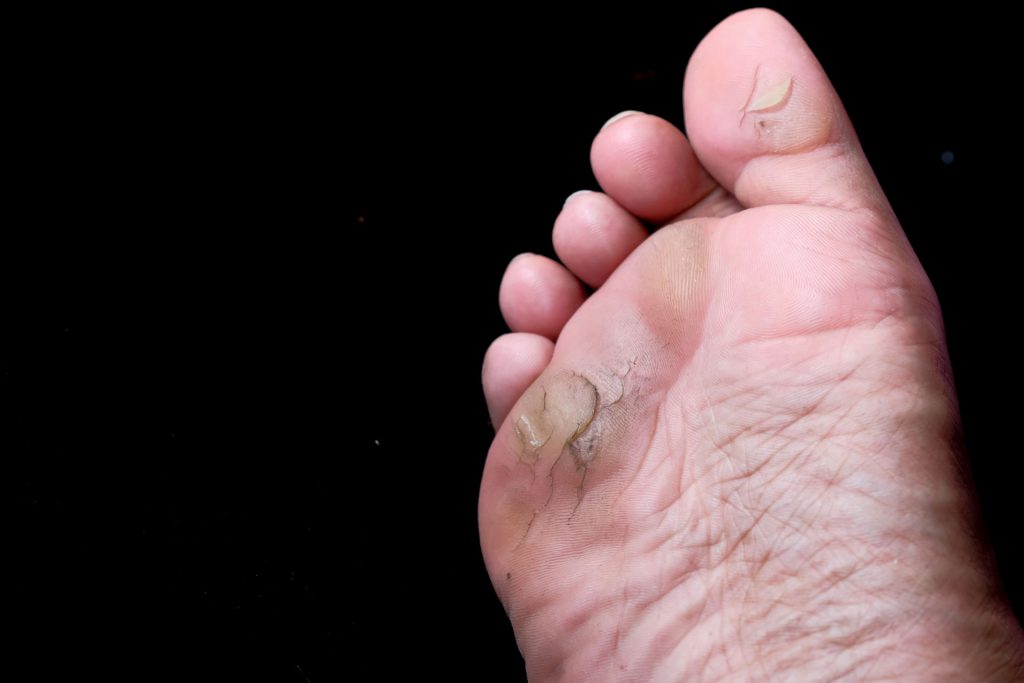
Regenerative medicine has revolutionized the way chronic foot conditions like corns and calluses are treated, offering patients a more effective and comprehensive approach. By leveraging the body’s natural healing processes, these therapies provide numerous advantages.
- Minimally Invasive Procedures
Regenerative therapies, such as Platelet-Rich Plasma (PRP) or stem cell injections, avoid the need for surgery, reducing the risks of complications and making the recovery process smoother for patients. - Faster Recovery Time
Compared to traditional methods, regenerative medicine promotes quicker tissue regeneration. Patients often report reduced downtime and a faster return to daily activities after treatment. - Long-Lasting Results
Unlike temporary solutions like callus trimming, these therapies address the root causes by repairing damaged tissues, leading to more sustainable relief. - Reduced Pain and Inflammation
Regenerative treatments help minimize discomfort by promoting the healing of irritated or damaged skin layers, effectively addressing pain and inflammation associated with corns and calluses. - Personalized Treatment Options
Therapies are tailored to individual patient needs, accommodating varying degrees of severity and specific foot structure issues.
With their focus on promoting natural tissue repair and providing long-term solutions, regenerative treatments give patients the opportunity to achieve better outcomes and enhanced quality of life.
Related: The Promise of Platelet-Rich Plasma (PRP) in Podiatric Medicine
How to Determine if Regenerative Treatment Is Right for You
Regenerative treatments, such as Platelet-Rich Plasma (PRP) or stem cell therapy, offer advanced options for addressing corns and calluses. However, determining if they’re the right choice requires careful consideration of various factors. Here are the key points to evaluate:
- Severity of the Condition – Regenerative medicine is highly effective for moderate tissue damage. Patients with advanced structural issues or severe complications may require alternative interventions, such as surgery.
- Overall Health – Your body’s ability to heal plays a vital role in treatment success. Individuals with good circulation and no major chronic illnesses generally experience better outcomes with regenerative therapies.
- Age and Healing Capacity – Younger patients tend to have a higher capacity for cellular regeneration, while older individuals may see slower but still positive results depending on their health status.
- Lifestyle and Recovery Time – Regenerative treatments often require adjustments to daily routines to allow healing. Patients with demanding schedules must ensure they can follow post-treatment care plans.
- Expectations and Goals – Understanding that regenerative medicine focuses on long-term repair rather than instant relief is essential for setting realistic outcomes.
Consulting with a podiatry specialist is the first step toward determining if regenerative medicine is the right path for your foot health.
Practical Tips for Preventing Corns and Calluses Post-Treatment
Preventing the recurrence of corns and calluses after treatment is essential for maintaining healthy feet. Proper care and attention can help alleviate pressure points and safeguard against skin hardening. Here are some effective tips:
- Choose Proper Footwear
Opt for wide, cushioned shoes that provide ample room for your toes. Avoid high heels and narrow-toed designs that can create friction. Replace worn-out shoes regularly to maintain adequate support. - Wear Protective Insoles or Pads
Use cushioned insoles or foam pads to alleviate pressure on vulnerable areas. Custom orthotics, if recommended by your specialist, can also improve foot alignment and reduce callus formation. - Moisturize Daily
Apply a moisturizing lotion to your feet to keep the skin soft and prevent dryness, which can lead to callus buildup. Focus on areas prone to hardening. - Use a Pumice Stone
Regularly remove dead skin by gently rubbing callused areas with a pumice stone after soaking your feet in warm water. - Inspect Your Feet Regularly
Check for any rubbing, redness, or thick spots to address issues early. Avoid walking barefoot as it increases friction.
For tailored solutions and comprehensive care, consult the Mid-Ohio Foot and Ankle Specialist in Lewis Center, Ohio, where experts can guide you in maintaining foot health long-term.