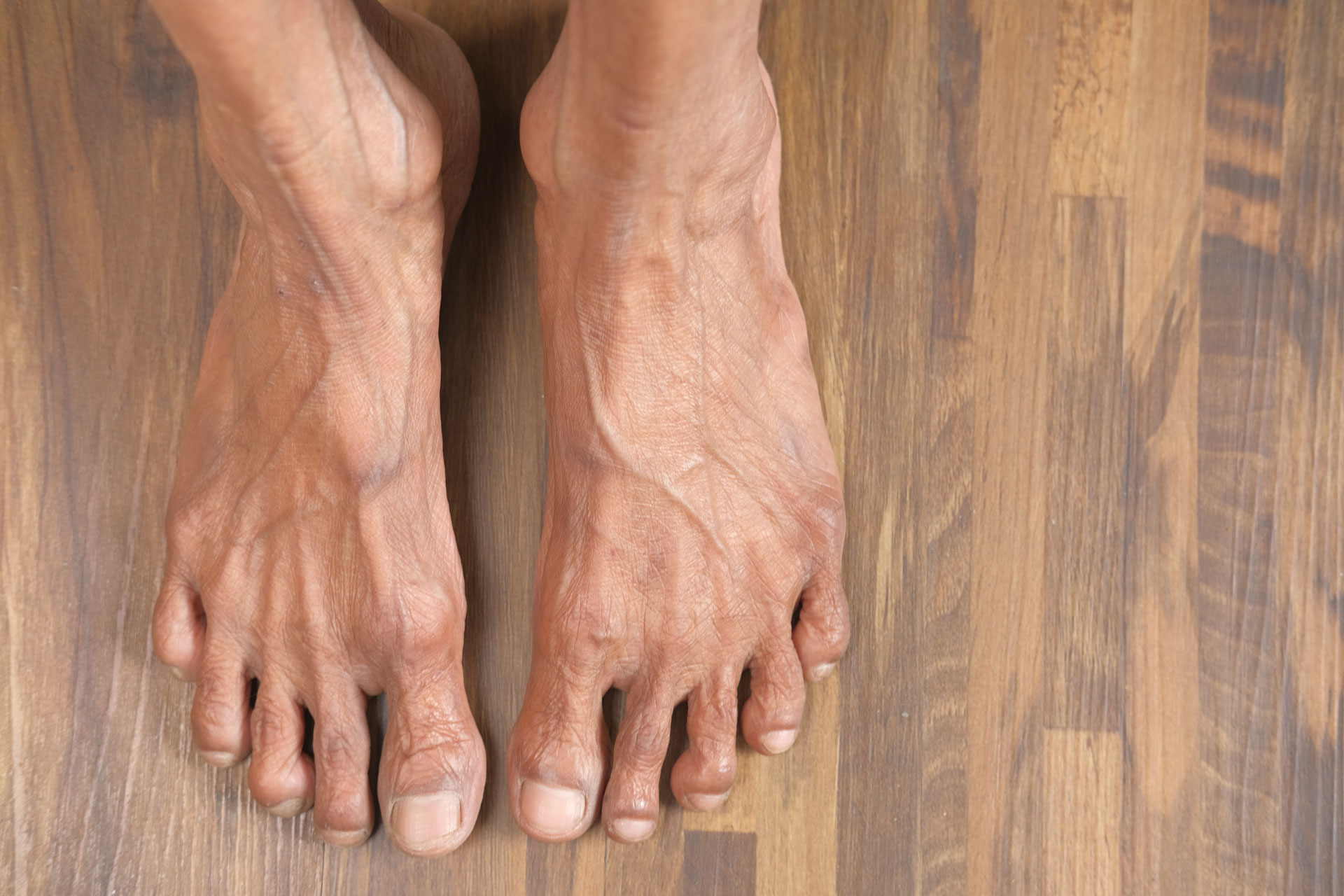
Living with foot deformities can present daily challenges, from discomfort and limited mobility to the emotional strain of managing a persistent condition. The field of regenerative medicine is providing a groundbreaking approach to addressing these issues, offering innovative treatments that focus on repairing and restoring damaged tissues.
By harnessing the body’s natural ability to heal, regenerative medicine is opening new doors for those seeking long-term relief and improved quality of life. Through advancements in techniques like stem cell therapy and tissue engineering, this emerging field promises solutions that were once thought impossible, providing renewed hope for individuals impacted by foot deformities.
Understanding Foot Deformities: Common Types and Their Impact on Daily Life
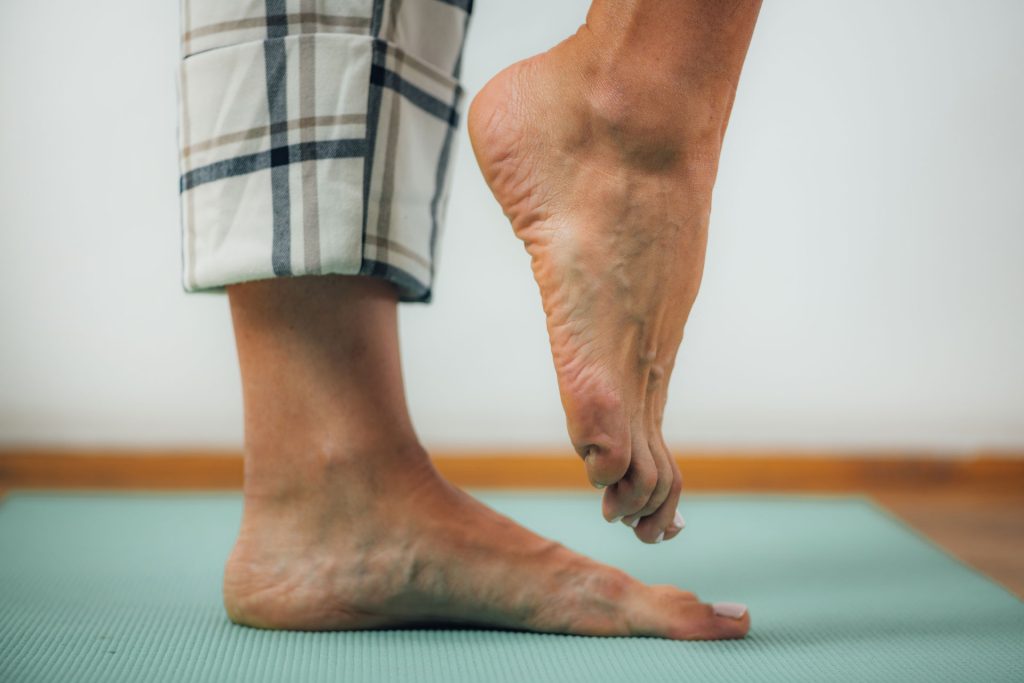
Foot deformities are structural or functional abnormalities that can affect how individuals walk, stand, and perform daily activities. These conditions can range in severity, impacting not only physical comfort but also overall quality of life. Below, we outline some of the most common foot deformities and their effects on day-to-day functioning.
Common Types of Foot Deformities
- Hallux Valgus (Bunions)
- Description: A bony bump forming at the base of the big toe, causing it to deviate sideways toward the other toes.
- Impact: Difficulty in wearing shoes, pain during walking, and limitations in physical activities.
- Hammer Toes
- Description: A deformity where the toes bend abnormally at the middle joint, resembling a hammer.
- Impact: Discomfort while standing or walking, corns and calluses from pressure points, and challenges maintaining foot balance.
- Flat Feet (Pes Planus)
- Description: The arch of the foot collapses, leading to the entire foot making contact with the ground.
- Impact: Increased fatigue in the legs, aching pain in the feet and lower back, and reduced shock absorption during movement.
- Claw Toes
- Description: Toes curl upward at the joint nearest the foot and downward at the middle and end joints.
- Impact: Pain in the ball of the foot, difficulty fitting in shoes, and an increased risk of ulcers, especially in individuals with diabetes.
Daily Impact of Foot Deformities
- Mobility Limitations
Difficulty walking long distances, climbing stairs, or standing for extended periods due to pain or instability. - Reduced Physical Activity
Chronic discomfort can discourage activities like exercise, leading to secondary health issues such as weight gain or circulatory problems. - Impact on Mental Health
Persistent discomfort and restrictions in mobility can contribute to frustration, anxiety, or depression. - Challenges with Footwear
Finding suitable shoes becomes problematic, as standard footwear may exacerbate symptoms or feel uncomfortable.
Understanding these common foot deformities highlights the importance of accessible and innovative treatments. Regenerative medicine offers promising solutions focused on repairing damaged tissues and restoring foot function, which can significantly improve the lives of those affected by these conditions.
Key Benefits of Regenerative Medicine for Treating Foot Deformities
Regenerative medicine has emerged as a groundbreaking approach to addressing foot deformities, focusing on repairing and restoring damaged tissues using the body’s natural healing mechanisms. This innovative method offers notable benefits over traditional treatments, providing new opportunities for improved mobility and quality of life. Below are the key advantages of regenerative medicine in managing foot deformities:
- Tissue Repair and Regeneration
- By utilizing techniques like stem cell therapy and growth factors, regenerative medicine encourages the repair of damaged cartilage, tendons, and ligaments, promoting long-term healing rather than just symptom management.
- Minimally Invasive Treatment Options
- Many regenerative procedures, such as cell-based therapies or injections, are less invasive compared to traditional surgeries. This means reduced recovery times, smaller risks of complications, and a quicker return to daily activities.
- Pain Reduction
- Regenerative techniques target inflammation and tissue damage—a common source of chronic pain in foot deformities. This approach often results in significant pain relief, improving the patient’s overall comfort.
- Improved Mobility and Functionality
- Restoring damaged tissue improves joint and ligament health, allowing individuals to regain strength and stability. This can significantly enhance the ability to walk, stand, and engage in physical activities with ease.
- Reduced Dependence on Pain Medication
- Unlike some traditional treatments that rely on prolonged medication, which may cause side effects, regenerative medicine addresses the root cause of the issue, potentially minimizing or eliminating the need for long-term drug use.
- Customized Therapy
- Regenerative treatments are often tailored to the patient’s specific condition. For instance, the use of a patient’s stem cells or platelet-rich plasma (PRP) ensures a more personalized and effective healing process.
- Future Innovations
- Regenerative medicine continues to be a dynamic field. Advancements like 3D-printed scaffolds and bioengineered tissues open exciting prospects for treating complex or severe foot deformities in the future.
By harnessing the body’s natural capabilities, regenerative medicine provides a holistic and effective solution for treating foot deformities. It not only addresses the impairment but also supports lasting recovery and an improved quality of life.
Stem Cell Therapy for Foot Deformities: What You Need to Know
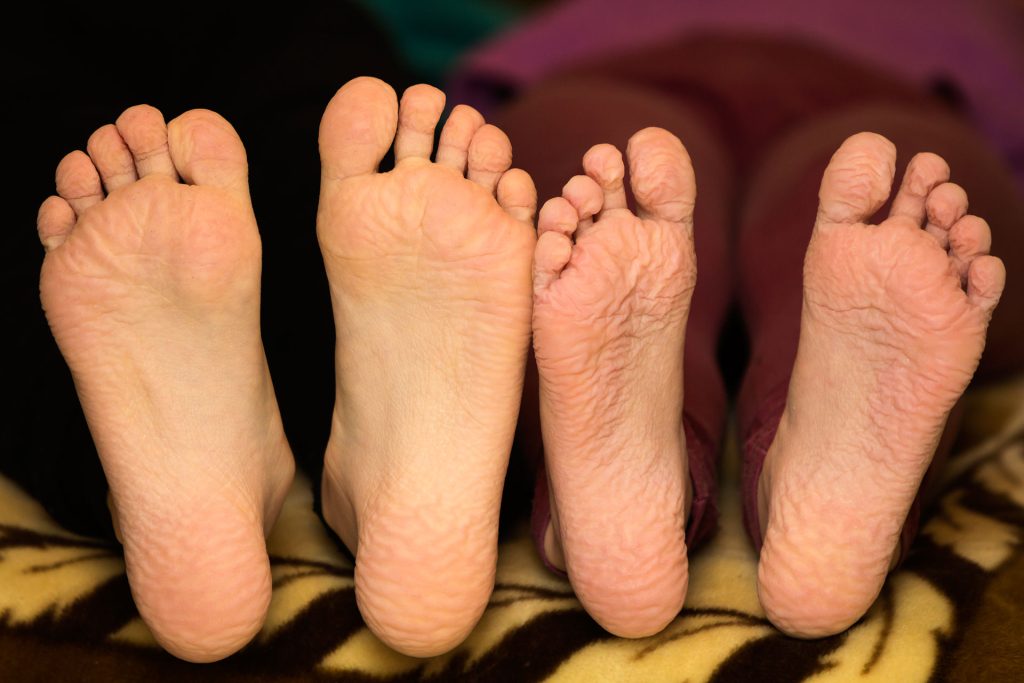
Stem cell therapy has emerged as a transformative option in addressing foot deformities by leveraging the body’s inherent capacity to repair and regenerate tissues. This innovative approach holds promise for conditions where traditional treatments often focus on managing symptoms rather than restoring function. Here’s an overview of how stem cell therapy works and the benefits it offers for individuals with foot deformities.
Stem cells, particularly mesenchymal stem cells (MSCs), are at the center of this therapy. MSCs can be derived from sources such as bone marrow, adipose tissue, and umbilical cords. Their defining characteristic is their ability to differentiate into various cell types, such as bone, cartilage, and tendon cells, which are critical to repairing and regenerating damaged tissues in the foot. Additionally, MSCs release bioactive molecules that stimulate the healing process, reduce inflammation, and enhance blood flow to the affected areas.
For foot deformities including bunions, hammertoes, or flat feet, stem cell therapy offers targeted solutions. By promoting cartilage repair and tendon regeneration, stem cells address structural issues that limit mobility and cause pain. Furthermore, they aid in reconstructing healthy tissue in damaged areas, ensuring more effective and lasting results compared to conventional methods. These regenerative properties are particularly advantageous for deformities arising from conditions like diabetes or arthritis, where tissue damage and healing are compromised.
Beyond their regenerative capacities, stem cells play an anti-inflammatory role by suppressing pain-inducing inflammation that exacerbates deformities. This contributes to improved functionality, reduced discomfort, and, ultimately, an enhanced quality of life. The minimally invasive nature of stem cell treatments reduces recovery time while offering a safer alternative to extensive surgeries.
While stem cell therapy is still evolving, ongoing research and clinical trials continue to highlight its potential as an effective, personalized treatment for foot deformities, bringing new hope to patients seeking alternatives to traditional interventions.
Comparing Traditional Treatments vs Regenerative Medicine Approaches
For individuals living with foot deformities, choosing the right treatment can significantly impact mobility, comfort, and overall well-being. Traditional approaches like orthoses, shoe modifications, and surgical interventions remain common. While these methods aim to correct alignment or relieve pain, they often come with challenges. For instance, orthoses and shoe modifications can be uncomfortable, limiting adherence to treatment. They may also have aesthetic concerns, sometimes impacting self-esteem. Meanwhile, surgeries can be invasive and involve lengthy recovery periods, with varying success rates depending on the complexity of the deformity.
Regenerative medicine offers a newer, more innovative pathway. Techniques like stem cell therapy and platelet-rich plasma (PRP) aim to harness the body’s natural healing abilities. These therapies focus on regenerating damaged tissues instead of merely addressing symptoms. For patients, this means less invasive procedures and potentially shorter recovery times. Emerging evidence also suggests such approaches carry the potential to reduce long-term pain and improve mobility, enhancing the overall quality of life.
Importantly, regenerative medicine tends to avoid some limitations associated with traditional treatments. It minimizes the need for bulky or visible aids and prioritizes tissue repair at a cellular level. For challenging cases, such as chronic wounds or conditions nearing amputation, studies show a combination of regenerative strategies has successfully reversed deteriorating conditions and avoided drastic measures like amputation.
The shift from traditional methods toward regenerative approaches reflects a growing emphasis on holistic and patient-centered care, offering hope for better outcomes and improved daily living for those with foot deformities.
What to Expect During a Regenerative Medicine Treatment Process
Regenerative medicine, including Platelet-Rich Plasma (PRP) and stem cell therapy, offers a groundbreaking approach to treating foot deformities. These treatments focus on harnessing the body’s own healing potential to repair damaged tissue, reduce pain, and improve mobility. At Mid-Ohio Foot and Ankle Specialist, located in Lewis Center, Ohio, Dr. Vincent J. Staschiak – DPM, FACFAS, APWHC, combines expertise with cutting-edge techniques to deliver exceptional care.
Here’s what you can expect during a typical regenerative medicine treatment session:
- Initial Consultation and Diagnosis
Dr. Staschiak conducts a thorough evaluation to assess your foot deformity and determine if regenerative medicine is the best option for you. This stage includes imaging, a medical history review, and a personalized treatment plan. - Preparation for the Procedure
For PRP therapy, a small sample of your blood is drawn and processed in a centrifuge to isolate the platelet-rich plasma. For stem cell therapy, cells may be extracted from bone marrow or donated tissues, depending on the specific treatment. - Guided Injection
Using advanced imaging like ultrasound or fluoroscopy, the PRP or stem cells are carefully injected into the affected area. This ensures precision, targeting the tissues that require repair and regeneration. - Post-Treatment Care
After the procedure, you may experience mild swelling or discomfort at the injection site. Most patients can resume light activities within 1–2 days, though Dr. Staschiak may recommend a brief recovery period based on your condition. - Follow-Up and Monitoring
Healing progresses gradually. Over weeks to months, you’ll notice reduced pain, improved joint function, and tissue regeneration. Follow-up visits allow Dr. Staschiak to track your recovery and adjust your care plan if needed.
Regenerative medicine offers a less invasive alternative to surgery, with shorter recovery times and long-lasting results. If you’re considering this innovative treatment, schedule your appointment with Mid-Ohio Foot and Ankle Specialist. Dr. Staschiak and his team are ready to help you regain mobility and improve your quality of life at their state-of-the-art clinic in Lewis Center, Ohio.