
Foot and ankle sprains are common injuries that can significantly impact daily activities and overall quality of life. Traditional treatment methods often focus on alleviating symptoms and promoting healing through rest, ice, compression, and elevation. However, recent advancements in regenerative medicine offer promising new avenues for not just managing these injuries, but potentially accelerating recovery and enhancing healing.
By harnessing the body’s natural ability to repair itself, regenerative therapies like platelet-rich plasma (PRP) and stem cell treatments are paving the way for innovative solutions. This blog explores the exciting developments in regenerative medicine and how they can provide renewed hope and improved outcomes for those suffering from foot and ankle sprains.
Understanding Foot and Ankle Sprains: Causes and Impact on Daily Life

Foot and ankle sprains are frequent injuries resulting from the stretching or tearing of ligaments due to sudden twists, falls, or impacts. Commonly occurring in sports, especially during activities like running or jumping, these injuries are prevalent among athletes but can also result from everyday accidents such as tripping or missteps. According to research on soccer injuries, the dynamic nature of sports significantly increases the risk of such sprains.
The immediate effects of sprains include pain, swelling, and reduced mobility, impacting one’s ability to perform daily activities. This disruption extends to routine tasks such as walking or standing, and for athletes, it can mean a forced pause in their training or competitive schedules. Studies on functional ankle instability reveal that sprains can lead to long-term consequences, including chronic instability. This condition not only affects physical health but also diminishes health-related quality of life by limiting daily activities.
Chronic musculoskeletal disorders from repeated injuries can further degrade quality of life, emphasizing the importance of proper diagnosis and timely treatment. Addressing these injuries effectively is crucial to prevent complications like persistent pain or arthritis and to restore normal functionality, thereby maintaining a high quality of life.
Related: Regenerative Medicine: A Promising Solution for Foot and Ankle Sprains
Traditional Treatment Approaches: Pros and Cons
Traditional treatment methods for foot and ankle sprains often include rest, ice, compression, and elevation (RICE), as well as physical therapy and bracing. These approaches aim to alleviate symptoms and promote healing. Here’s a look at the pros and cons of these conventional methods:
Pros:
- Accessibility and Cost-Effectiveness: Traditional treatments like RICE are widely accessible and relatively inexpensive, making them a common first-line approach for managing sprains.
- Immediate Symptom Relief: The application of ice and compression can quickly reduce swelling and pain, providing immediate relief to the injured area.
- Supportive Measures: Bracing and physical therapy help stabilize the joint and improve mobility, which can facilitate the healing process over time.
Cons:
- Limited Long-Term Efficacy: While traditional treatments address immediate symptoms, they may not always prevent future sprains or complications like chronic instability.
- Potential for Incomplete Recovery: Some individuals may not fully recover with conventional treatments alone, potentially requiring additional interventions.
- Risk of Over-Reliance: Relying solely on these methods without proper medical evaluation might overlook underlying issues that need more targeted therapies.
While traditional methods can be effective for many, they are not without limitations. It’s essential to evaluate each case individually and consider integrating advanced therapies, such as regenerative medicine, for a more comprehensive approach to treatment and recovery.
Related: Regenerative Medicine: A Promising Solution for Foot and Ankle Sprains
An Overview of Regenerative Medicine: Revolutionizing Injury Recovery
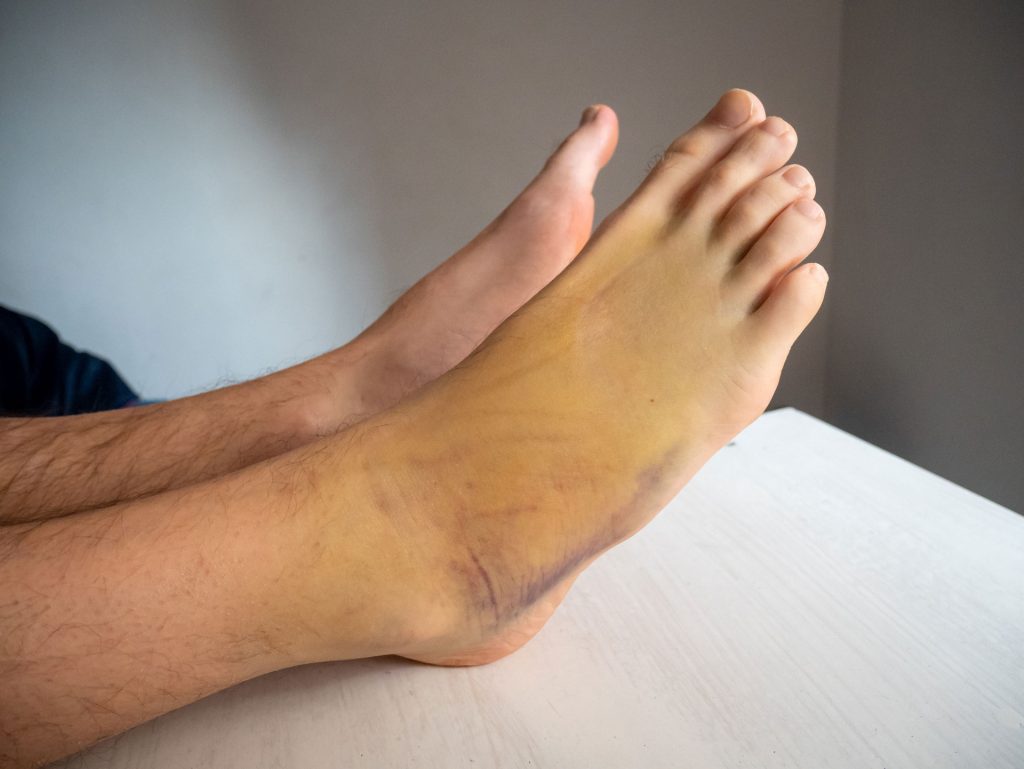
Regenerative medicine is at the forefront of revolutionizing the recovery process for foot and ankle sprains, offering a promising alternative to traditional treatments. This innovative field focuses on harnessing the body’s natural healing mechanisms to accelerate recovery, reduce inflammation, and enhance tissue regeneration. One notable approach is the use of mesenchymal stem cells (MSCs), which have shown potential in repairing damaged tissues and restoring joint function. Studies indicate that MSCs can significantly aid in cartilage regeneration, making them a valuable tool in treating sports-related injuries, including ankle sprains.
Moreover, regenerative medicine techniques, such as platelet-rich plasma (PRP) injections, are gaining traction in rehabilitation programs. PRP therapy utilizes concentrated platelets from the patient’s own blood to promote healing at the injury site. This method has demonstrated effectiveness in reducing pain and swelling, thus facilitating quicker recovery times for athletes and active individuals.
By integrating these advanced therapies into conventional rehabilitation protocols, regenerative medicine is transforming the landscape of injury recovery. It not only addresses the symptoms but also targets the underlying causes of tissue damage, offering a more comprehensive and personalized treatment plan. As research continues to advance, regenerative medicine holds the potential to significantly enhance the quality of life for those suffering from foot and ankle sprains.
Related: The Promise of Platelet-Rich Plasma (PRP) in Podiatric Medicine
Platelet-Rich Plasma (PRP) Therapy: How It Works and Its Benefits
Platelet-rich plasma (PRP) therapy is an innovative treatment gaining popularity for its effectiveness in managing foot and ankle sprains. This therapy involves extracting a small amount of the patient’s blood, processing it to concentrate the platelets, and then injecting it back into the injured area. The high concentration of platelets releases growth factors that stimulate healing and tissue regeneration, assisting in the recovery process.
How PRP Therapy Works:
- Blood Collection: A small sample of blood is taken from the patient.
- Centrifugation: The blood is processed in a centrifuge to separate and concentrate the platelets.
- Injection: The concentrated platelet-rich plasma is injected into the site of the injury.
Benefits of PRP Therapy:
- Accelerated Healing: PRP therapy can significantly speed up the healing process by enhancing the body’s natural repair mechanisms.
- Pain Reduction: Studies show PRP injections can effectively reduce pain associated with ankle sprains, allowing patients to resume activities sooner.
- Minimally Invasive: As a non-surgical treatment, PRP therapy presents minimal risks and downtime compared to traditional surgical options.
- Reduced Inflammation: The growth factors in PRP help in reducing inflammation, which is crucial for a quicker return to normal activity levels.
Overall, PRP therapy offers a promising, natural approach to treating foot and ankle sprains, supporting faster and more effective recovery.
Related: How Regenerative Medicine is Revolutionizing Podiatry
Stem Cell Treatments: Exploring Their Role in Healing Foot and Ankle Sprains
Stem cell treatments are emerging as a transformative approach in the healing of foot and ankle sprains, leveraging the body’s inherent healing capacities to repair and regenerate damaged tissues. Mesenchymal stem cells (MSCs) are at the heart of this innovative therapy, renowned for their ability to differentiate into various cell types, including cartilage, bone, and muscle cells. This capacity is particularly advantageous in treating sprains, where ligament and cartilage repair is crucial for recovery. The application of MSCs in sports injuries has demonstrated significant potential, promoting enhanced tissue repair and reducing recovery time.
Matrix-associated stem cell transplantation (MAST) is another promising technique, particularly effective in addressing chondral defects of the foot and ankle. By integrating stem cells with scaffolding materials, MAST supports the regeneration of cartilage and soft tissue, which is essential for restoring joint functionality. This method offers a targeted approach, ensuring that stem cells are delivered precisely to the areas requiring regeneration.
The future of stem cell therapy in treating ankle sprains appears bright, with ongoing research expanding its applications and efficacy. As understanding and technology advance, stem cell treatments could become a cornerstone in the comprehensive management of foot and ankle injuries, offering patients a faster and more complete recovery.
Comparing Regenerative Therapies with Conventional Methods: A New Hope?
Regenerative therapies are paving a new path, offering promising alternatives to conventional methods. Traditional treatments like RICE (rest, ice, compression, elevation) and physical therapy have long been the standard, focusing primarily on symptom management rather than healing at the cellular level. However, regenerative medicine, with its innovative use of stem cells and platelet-rich plasma, targets the root causes of injuries, promoting tissue repair and regeneration.
Regenerative therapies leverage the body’s natural healing processes, potentially reducing recovery times and minimizing the risk of chronic pain and re-injury. Stem cell treatments, for instance, can differentiate into various cell types, aiding in the regeneration of damaged ligaments and cartilage. This is particularly beneficial in sports-related sprains where quick recovery is crucial.
Despite the promising outlook, regenerative treatments are still evolving, with ongoing research needed to fully understand their long-term benefits and risks. Nonetheless, they represent a significant advancement in personalized medicine, offering hope for a more complete recovery.
For those seeking cutting-edge treatment options for foot and ankle sprains, consulting with a specialist can be invaluable. Mid-Ohio Foot and Ankle Specialist in Lewis Center, Ohio, is at the forefront of integrating regenerative therapies with conventional treatments, providing comprehensive care tailored to individual needs.