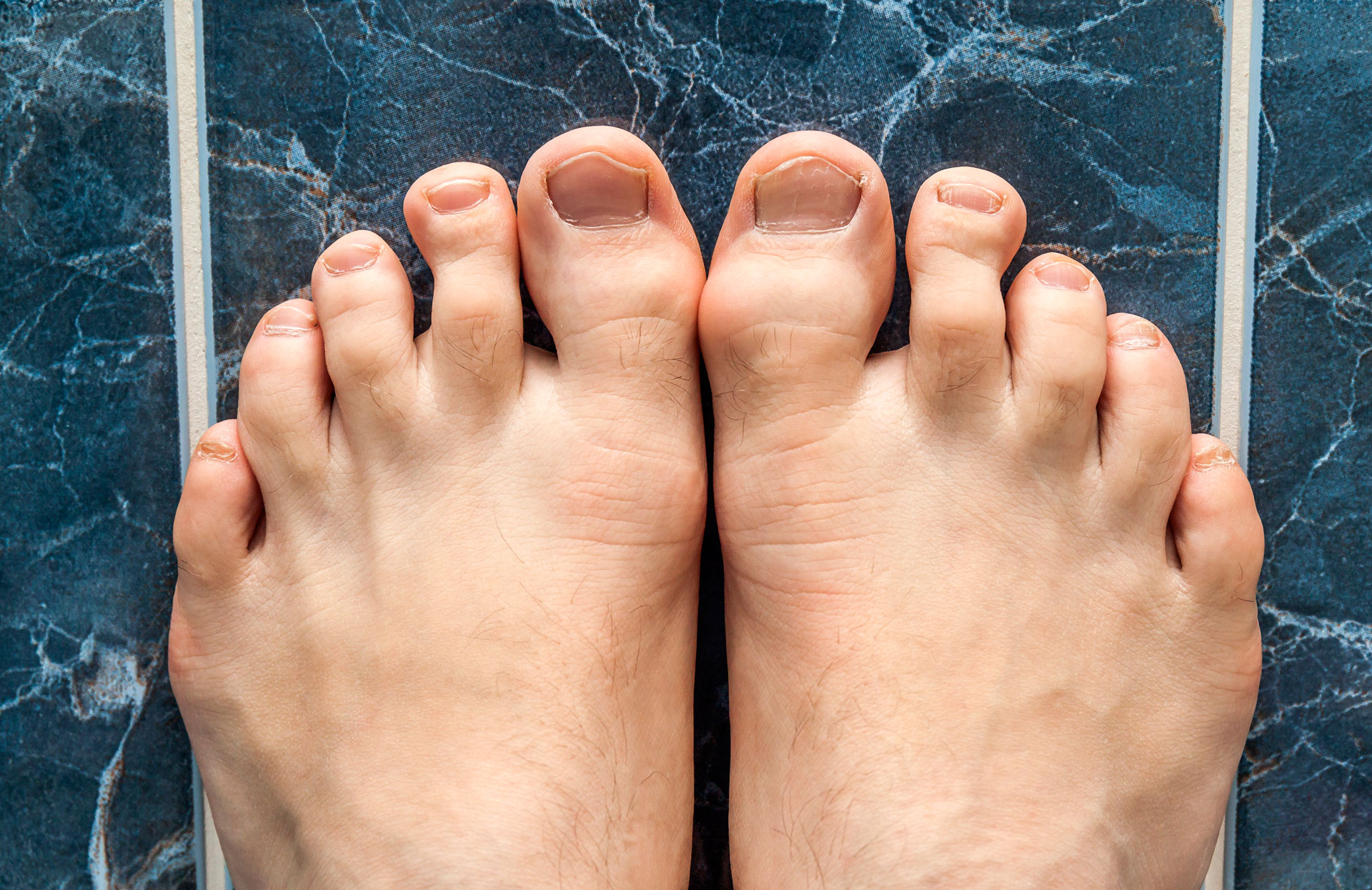
Hammertoes, a painful and often debilitating condition affecting the toes, have traditionally been treated through surgical interventions and orthotic devices. However, recent advancements in regenerative medicine are revolutionizing the way we approach this common foot deformity.
By leveraging the body’s own healing mechanisms, regenerative therapies offer promising alternatives that not only alleviate symptoms but also promote tissue repair and regeneration. In this article, we explore how these cutting-edge treatments are transforming the landscape of hammertoe management, providing patients with less invasive and more effective solutions.
Understanding Hammertoes
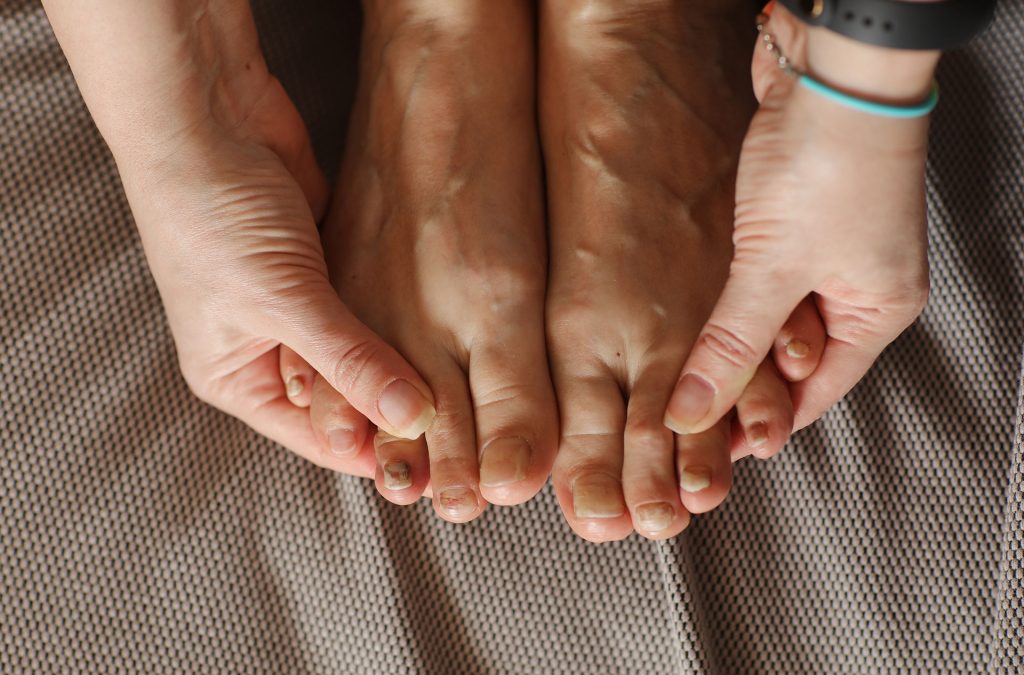
Hammertoes are a deformity that results in an abnormal bend in the middle joint of one or more toes, commonly affecting the second, third, and fourth toes. This condition is characterized by toes that appear to be permanently bent, resembling a hammer. Hammertoes can cause significant discomfort and impair mobility, making it difficult to perform everyday activities.
Causes
The primary causes of hammertoes include muscle imbalances, toe injuries, arthritis, and genetic predisposition. Often, the condition develops due to wearing ill-fitting shoes that force the toes into a cramped position, leading to a tightening of the muscles and tendons over time. High-heeled shoes and footwear with a narrow toe box are common culprits.
Symptoms
Patients with hammertoes may experience a variety of symptoms such as pain at the top of the bent toe, especially when wearing shoes. Other common symptoms include the formation of corns and calluses on the affected joints due to friction against footwear, swelling, redness, and difficulty moving the impacted toe. In severe cases, patients may find it challenging to straighten the toe even with manual effort.
Complications
If left untreated, hammertoes can lead to more serious complications like open sores, infections, and chronic pain. The persistent friction and pressure can exacerbate the formation of ulcers, particularly in patients with diabetes or poor circulation, increasing the risk of severe foot problems.
Recognizing the early signs of hammertoes and addressing them promptly can help prevent the progression of the deformity and alleviate associated pain. For those seeking newer, less invasive treatment options, regenerative medicine offers promising avenues for effective management and recovery.
Related: Regenerative Medicine: The Next Frontier in Heel Pain Management
Traditional Treatments for Hammertoes
Traditional treatments for hammertoes aim to alleviate pain, correct toe deformity, and improve the patient’s quality of life. These methods range from conservative approaches to surgical interventions, depending on the severity and flexibility of the hammertoe.
Conservative Treatments
For toes that are still flexible, non-surgical treatments are often effective. One of the primary recommendations is to switch to roomier footwear that provides ample space for the toes, thus reducing pressure and friction. Additionally, orthotic devices such as shoe inserts, pads, or custom-made orthotics can help redistribute pressure and support the foot’s natural alignment.
Physical therapy plays a crucial role in conservative management by focusing on exercises that stretch and strengthen the muscles around the toes. Stretching exercises can help counteract muscle imbalances, while specific strengthening exercises aim to restore normal toe function. Taping, splinting, or padding can also be used to realign the toes temporarily and provide relief from discomfort.
Nonsteroidal anti-inflammatory drugs (NSAIDs) are commonly prescribed to reduce pain and swelling associated with hammertoes. These medications can be taken orally or applied topically to the affected area.
Surgical Treatments
When conservative measures fail, or if the hammertoe becomes rigid and painful, surgical intervention may be necessary. Common surgical procedures include tendon release or transfer, joint resection, and fusion. Tendon release involves cutting tight tendons to allow the toe to lay flat, while tendon transfer involves repositioning tendons to correct deformity. Joint resection involves removing part of the bone to straighten the toe, and fusion entails permanently joining the bones in the toe to maintain proper alignment.
Each treatment approach has its benefits and limitations, and the choice of treatment depends on the individual patient’s condition and overall health. By understanding these traditional treatment options, patients can make informed decisions in consultation with their healthcare providers about the best course of action for managing their hammertoes.
Related: The Impact of Platelet-Rich Plasma (PRP) Therapy on Foot and Ankle Disorders
What is Regenerative Medicine?
Regenerative medicine is an innovative field of medical science focused on repairing, replacing, and regenerating human cells, tissues, or organs to restore normal function. It leverages the body’s inherent healing mechanisms to treat conditions caused by aging, disease, or injury. By utilizing advanced techniques, regenerative medicine aims to promote cellular repair and growth, offering potentially transformative treatments for various medical conditions.
Core Principles and Techniques
At its core, regenerative medicine employs several key approaches, including stem cell therapy, tissue engineering, and the use of biologically active molecules such as growth factors. Stem cells, which have the unique ability to develop into different cell types, play a critical role in this field. These cells can be harvested from various sources, including bone marrow, adipose tissue, and umbilical cord blood, and then used to repair damaged tissues.
Tissue engineering combines cells, scaffolds, and biologically active molecules to create functional tissues that can replace damaged ones. This technique has shown promise in regenerating cartilage, bone, skin, and other tissues. Additionally, biologically active molecules like platelet-rich plasma (PRP) and growth factors are used to stimulate the body’s natural healing processes, enhancing tissue repair and regeneration.
Applications in Hammertoe Treatment
In the context of hammertoes, regenerative medicine offers new avenues for treatment by addressing the underlying causes of the deformity rather than merely managing symptoms. Stem cell therapy and PRP injections, for example, can help regenerate damaged tendons and muscles, potentially restoring normal toe function and alleviating pain7. These treatments aim to reduce the need for invasive surgeries and offer patients a quicker recovery with fewer complications.
Regenerative medicine represents a paradigm shift in the approach to medical treatment, emphasizing restoration and healing at the cellular level. As research and technology continue to advance, the potential applications of regenerative therapies will likely expand, bringing new hope to patients suffering from conditions like hammertoes.
Related: Understanding the Potential of Exosomes in Podiatry
Types of Regenerative Treatments for Hammertoes
Regenerative medicine offers a range of innovative treatments designed to leverage the body’s natural healing processes to address conditions like hammertoes. These therapies aim not only to alleviate symptoms but also to promote the regeneration of damaged tissues, potentially reducing the need for invasive surgical procedures. Here are some of the most promising regenerative treatments available for hammertoes.
Platelet-Rich Plasma (PRP) Therapy
Platelet-Rich Plasma (PRP) therapy utilizes a concentrated form of platelets derived from the patient’s own blood. These platelets are rich in growth factors that stimulate tissue repair and regeneration. PRP is injected into the affected area to accelerate the healing of damaged tendons and muscles. This therapy can significantly reduce inflammation and pain, improving toe function over time.
Stem Cell Therapy
Stem cell therapy involves the use of undifferentiated cells that have the potential to develop into various types of tissue. These cells can be harvested from sources such as bone marrow or adipose tissue. When injected into the site of the hammertoe deformity, stem cells can help regenerate damaged tendons and soft tissues, potentially restoring normal toe alignment and function. This treatment is particularly beneficial for patients seeking an alternative to surgery.
Prolotherapy
Prolotherapy, also known as proliferation therapy, is a regenerative injection treatment that stimulates the body’s healing mechanisms to repair injured or weakened structures. It involves injecting a solution, often containing dextrose, into the affected tendons and ligaments. This induces a mild inflammatory response, promoting the growth of new, healthier tissues. Prolotherapy can be effective in reducing pain and improving the stability of the toe joints.
Extracorporeal Shockwave Therapy (ESWT)
Extracorporeal Shockwave Therapy (ESWT) uses high-energy sound waves to stimulate healing in the affected area. This non-invasive treatment enhances blood flow, reduces inflammation, and promotes the regeneration of damaged tissues. ESWT can be particularly useful for patients with hammertoes who are looking for pain relief and improved mobility without undergoing surgery.
These regenerative treatments offer podiatrist patients new hope for managing hammertoes more effectively and with fewer risks compared to traditional surgical methods. By harnessing the body’s natural ability to heal itself, these therapies can improve patient outcomes and enhance quality of life.
Related: Healing Foot Fractures with the Power of Regenerative Medicine
How Regenerative Medicine Works
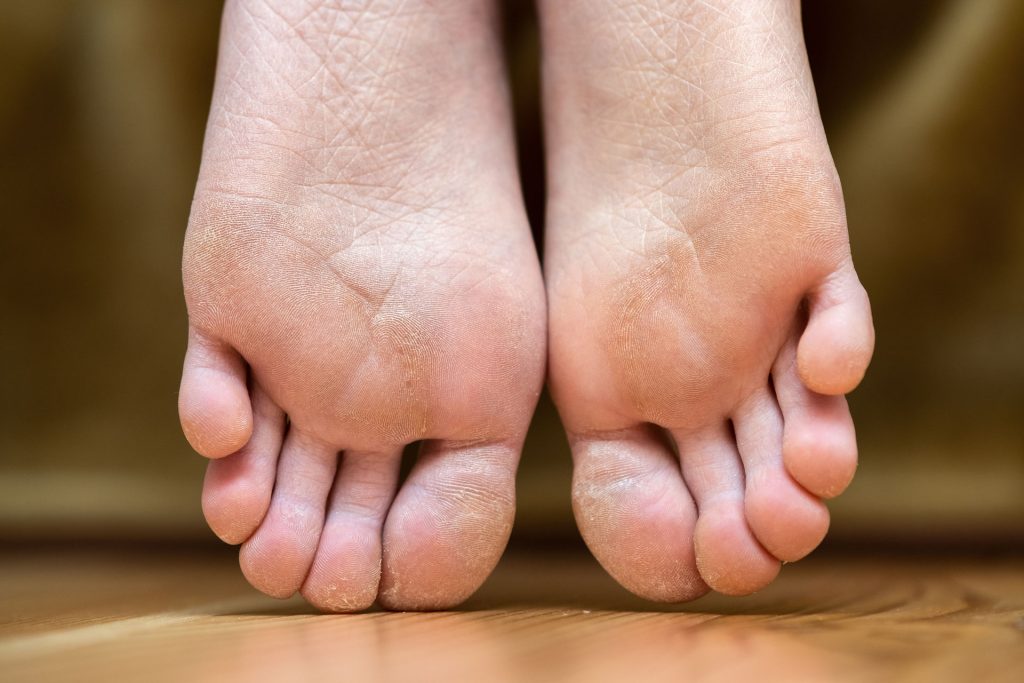
Regenerative medicine is revolutionizing the treatment of various conditions, including hammertoes, by harnessing the body’s natural healing processes to repair and regenerate damaged tissues. This innovative field combines cellular therapies, tissue engineering, and biologically active molecules to restore normal function and alleviate symptoms.
Mechanisms of Action
The primary goal of regenerative medicine is to replace or rejuvenate tissues or organs that have been impaired due to injury, disease, or aging. By utilizing stem cells, growth factors, and other biological materials, regenerative therapies stimulate the body’s intrinsic repair mechanisms. These treatments can regrow cartilage, tendons, muscles, and other tissues, offering a more holistic approach compared to traditional methods.
Key Components
- Stem Cells: These undifferentiated cells can develop into various specialized cell types. When injected into the affected area, stem cells can differentiate into tendon or muscle cells, promoting the regeneration of damaged tissues.
- Platelet-Rich Plasma (PRP): Derived from the patient’s blood, PRP is rich in growth factors that enhance tissue repair and reduce inflammation. PRP injections are used to accelerate the healing of tendons and muscles around the hammertoe.
- Biologics: These include a range of substances like cytokines and growth factors that support cellular growth and tissue formation. Biologics are often combined with stem cells or PRP to amplify their regenerative effects.
Application in Hammertoe Treatment
For patients suffering from hammertoes, regenerative medicine offers a promising alternative to conventional surgical procedures. By focusing on repairing the underlying tissue damage, these treatments can correct the deformity, alleviate pain, and improve toe function. This approach not only addresses the symptoms but also tackles the root cause of the problem, leading to more sustainable outcomes.
Benefits and Future Prospects
Regenerative medicine treatments tend to be less invasive than traditional surgeries, resulting in shorter recovery times and fewer complications. As research and technology continue to advance, the applications of regenerative medicine are likely to expand, providing even more effective solutions for conditions like hammertoes.
If you are considering regenerative medicine in Lewis Center, Ohio, consult a Mid-Ohio Foot and Ankle Specialist to explore how these cutting-edge treatments can benefit you. With the potential to transform the way we manage foot conditions, regenerative medicine represents a significant leap forward in patient care.