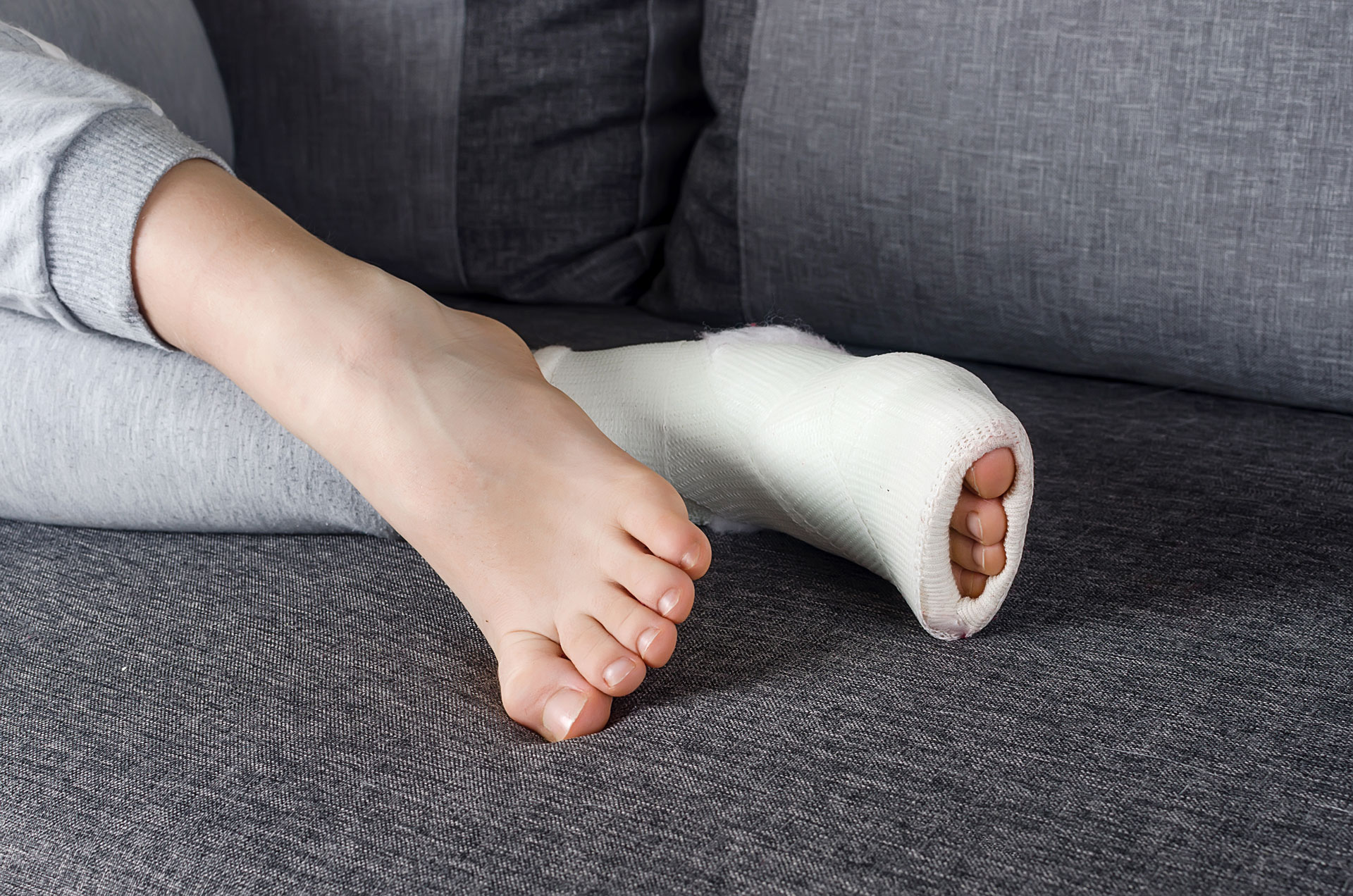
In modern medicine, the integration of regenerative medicine techniques offers a forward-thinking approach to treating a variety of conditions, including the complex and often debilitating foot fractures. This rapidly evolving branch of medicine focuses on repairing, replacing, or regenerating human cells, tissues, or organs to restore or establish normal function.
For patients suffering from foot fractures, regenerative medicine holds the promise of not merely alleviating symptoms but potentially healing the underlying damage in ways that traditional treatments cannot. By harnessing the body’s innate healing mechanisms, practitioners are able to explore innovative treatment options that can significantly shorten recovery times, reduce pain, and improve outcomes.
This introduction to the role of regenerative medicine in the healing process of foot fractures will provide a comprehensive overview of the latest advancements, techniques, and the science that makes it all possible, offering new hope to those impacted by these injuries.
Understanding Foot Fractures: Types and Common Causes

Foot fractures are a prevalent concern within orthopedic medicine, affecting individuals of all ages and backgrounds. These injuries can range from minor cracks to complete breaks, impacting one or multiple bones in the foot. A deeper understanding of the types and common causes of foot fractures is essential for both patients and healthcare providers to effectively diagnose, treat, and potentially prevent these injuries.
Types of Foot Fractures
- Stress Fractures: Small cracks usually resulting from overuse or repetitive force, common among athletes.
- Acute Fractures: Can be simple (a clean break with minimal damage to surrounding tissue) or compound (where the bone pierces the skin).
- Avulsion Fractures: Occur when a small chunk of bone attached to a tendon or ligament gets pulled away from the main part of the bone.
Common Causes
- Trauma: Such as dropping a heavy object on the foot or experiencing a severe twist.
- Overuse: Repeated stress on the foot bones can lead to fractures, especially in sports requiring running and jumping.
- Osteoporosis: This condition weakens bones, making them more susceptible to fractures even with minimal stress.
- Poor Footwear: Wearing inappropriate or ill-fitting shoes can increase the risk of foot fractures during physical activity.
Understanding the nuances of foot fractures is pivotal in leveraging regenerative medicine techniques for optimal healing outcomes. These advanced treatments offer promising alternatives that focus on repairing the damaged tissues at a cellular level, thereby addressing the injury more holistically than traditional methods alone.
Related: Conquering Heel Pain: Insights and Innovations in Modern Podiatry
The Science of Regenerative Medicine: Principles and Practices
Regenerative medicine represents a groundbreaking approach in the field of healthcare, offering new hope for healing complex injuries such as foot fractures. Central to this innovative field is the goal of restoring damaged tissues and organs by harnessing the body’s own repair mechanisms. Understanding the foundational principles and practices of regenerative medicine is crucial for appreciating its potential impact on orthopedic injuries.
Core Principles
- Cellular Therapy: Utilizes stem cells or progenitor cells to regenerate damaged tissues. These cells can differentiate into various types needed for repair and recovery.
- Tissue Engineering: Involves creating biological substitutes to replace or support the healing of damaged tissues, often using scaffolds combined with patient cells.
- Medical Devices and Artificial Organs: When regeneration alone is not possible, devices or artificial organs can be used to support or replace the function of damaged tissues.
Practices in Regenerative Medicine
- Stem Cell Therapy: Harvesting stem cells from the body or a donor, then injecting them into the affected area to promote healing.
- Platelet-Rich Plasma (PRP) Injections: Concentrating platelets from the patient’s blood and injecting them into the injury site to accelerate healing.
- Gene Therapy: Modifying or manipulating genes within cells to treat or prevent disease.
The applications of regenerative medicine in treating foot fractures involve encouraging the natural healing process, reducing recovery time, and improving functional outcomes. By focusing on the underlying causes of injuries rather than merely addressing symptoms, regenerative medicine offers a more holistic approach to patient care.
Related: The Impact of Regenerative Medicine on the Treatment of Gout
Regenerative Medicine Techniques in Healing Foot Fractures
Regenerative medicine techniques are at the forefront of treating foot fractures, offering innovative solutions that go beyond traditional methods. Three key approaches—stem cell therapy, platelet-rich plasma (PRP) injections, and tissue engineering—have shown promising results in accelerating healing, reducing pain, and restoring function.
Stem Cell Therapy
- Involves harvesting stem cells from the patient’s body or a donor, which are then processed and injected into the fractured area. These cells have the potential to differentiate into various types of tissue, promoting the repair and regeneration of damaged bone and soft tissue.
- Key Benefit: Accelerates the natural healing process by directly addressing the site of injury.
Platelet-Rich Plasma (PRP) Injections
- PRP is derived from the patient’s own blood. After centrifugation, the concentrated platelets are injected into the injury site. Platelets release growth factors that stimulate and increase the number of reparative cells the body produces.
- Key Benefit: Enhances the body’s inherent ability to heal itself, making it particularly effective for chronic injuries and areas with poor blood flow.
Tissue Engineering
- This technique combines scaffolds, cells, and biologically active molecules to form functional tissues. The scaffold provides a framework for cells to attach, grow, and form new tissue at the fracture site.
- Key Benefit: Offers a potential solution for complex fractures that traditional surgery cannot adequately address.
These regenerative medicine techniques represent a paradigm shift in the treatment of foot fractures, focusing on healing the injury at the cellular level. By leveraging the body’s own repair mechanisms, they offer a more natural and potentially more effective path to recovery.
Related: Amniotic Injections: A New Paradigm in Pain Management
Comparing Regenerative Medicine to Conventional Approaches
The treatment of foot fractures has traditionally relied on a mix of immobilization, surgery, and physical therapy. However, the advent of regenerative medicine offers a novel paradigm, emphasizing the restoration and regeneration of damaged tissues at a cellular level. Comparing these two approaches reveals distinct advantages and considerations:
Regenerative Medicine
- Focus on Healing: Targets the underlying cause of the injury by promoting the repair and regeneration of tissue.
- Minimally Invasive: Procedures like stem cell injections and PRP are less invasive than surgery, reducing the risk of complications.
- Recovery Time: Potentially reduces recovery time by enhancing the body’s natural healing processes.
- Long-term Outcomes: Aims to restore the injured area to its pre-injury state, potentially decreasing the likelihood of future issues.
Conventional Approaches
- Immediate Stability: Surgical interventions can provide immediate stabilization of the fracture, which is sometimes necessary for complex breaks.
- Widely Available: Traditional treatments are more established and widely available compared to the specialized nature of regenerative medicine.
- Cost: The cost of surgery and physical therapy is generally covered by insurance, whereas regenerative treatments might not be as widely covered.
- Evidence Base: There is a long history of evidence supporting the effectiveness of conventional treatments.
Understanding the pros and cons of each approach allows patients and healthcare providers to make informed decisions based on the severity of the fracture, overall health, lifestyle, and recovery goals.
Related: Regenerative Medicine and Personalized Care in Podiatry
The Role of Rehabilitation and Physical Therapy in Regenerative Healing
Rehabilitation and physical therapy play crucial roles in the regenerative healing process of foot fractures, complementing advanced treatments like those offered in Regenerative Medicine in Lewis Center, Ohio. These therapeutic approaches are integral to optimizing recovery outcomes, enhancing the efficacy of regenerative techniques, and ensuring the restoration of function and mobility.
- Enhanced Recovery Process – Rehabilitation exercises and physical therapy protocols are tailored to support and enhance the biological healing processes initiated by regenerative medicine treatments. They do so by promoting blood flow, reducing inflammation, and encouraging the growth of new, healthy tissue.
- Restoration of Function – Targeted exercises and therapy sessions aim to restore strength, flexibility, and balance. This comprehensive approach ensures that the foot recovers not just structurally but functionally as well, enabling patients to return to their daily activities more quickly and effectively.
- Prevention of Future Injuries – By focusing on the holistic recovery of the foot, including muscle strengthening and proprioceptive training, rehabilitation and physical therapy can help prevent future injuries. This is particularly important for individuals who lead active lifestyles or whose occupations require extended periods on their feet.
- Customized Treatment Plans – Mid-Ohio Foot and Ankle Specialist works closely with patients to develop customized treatment plans that integrate regenerative medicine with rehabilitation practices. These personalized plans ensure that each patient receives the most effective combination of treatments to support their unique healing journey.
For individuals exploring the potential of regenerative medicine for foot fracture treatment, Mid-Ohio Foot and Ankle Specialist offers comprehensive care, combining cutting-edge techniques with rehabilitation and physical therapy to optimize healing and functional recovery. Visit Mid-Ohio Foot and Ankle Specialist to learn more about incorporating Regenerative Medicine in your recovery process in Lewis Center, Ohio.