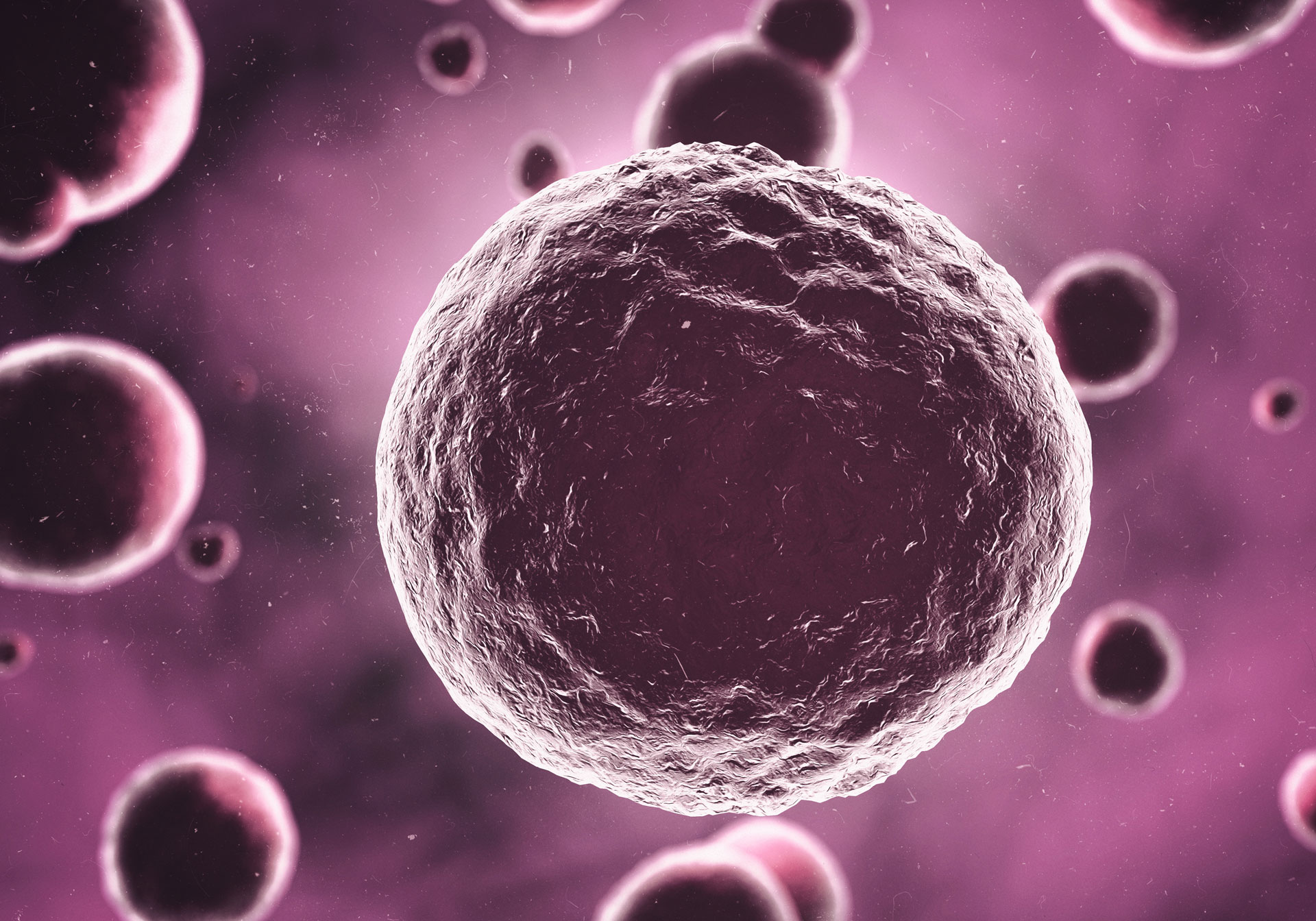
In the rapidly evolving field of medical science, novel therapeutic approaches are continually being explored to enhance patient outcomes across various specialties. Among these, the potential of exosomes has garnered significant interest due to their unique ability to mediate intercellular communication and facilitate a range of regenerative processes.
In podiatry, where the management and treatment of foot and ankle disorders present ongoing challenges, exosomes represent a frontier of innovation. This emerging area of research holds promise for addressing a spectrum of podiatric conditions, from diabetic foot ulcers to tendon injuries, by harnessing the natural healing mechanisms of the body.
Through a detailed exploration of their biological functions, sources, and therapeutic applications, this article aims to shed light on the role of exosomes in podiatry and the implications for future clinical practice.
Introduction to Exosomes
Exosomes are a class of extracellular vesicles (EVs) that play a pivotal role in cell-to-cell communication, facilitating the transfer of proteins, lipids, and nucleic acids between cells. These nano-sized vesicles, typically ranging from 30 to 150 nm in diameter, are secreted by a wide variety of cell types and are found in nearly all biological fluids, including blood, urine, and saliva. The unique composition of exosomes allows them to influence various physiological and pathological processes, making them a focal point of interest in regenerative medicine and therapeutic applications.
The mechanism through which exosomes exert their effects is primarily through the delivery of their cargo directly into recipient cells. This process not only alters the functional state of the recipient cells but also has the potential to modulate immune responses, promote angiogenesis, and enhance tissue repair and regeneration. Their ability to encapsulate and protect molecular payloads makes exosomes especially appealing as natural delivery vehicles for therapeutic molecules, offering a novel approach to disease treatment and management, including applications within podiatry.
Given their emerging significance, exosomes have been the subject of extensive research aimed at understanding their biogenesis, molecular composition, and therapeutic potential. For example, a study published in Nature Reviews Molecular Cell Biology provides an in-depth review of exosome biology, highlighting their role in intercellular communication and potential therapeutic applications. Similarly, research featured in National Library of Medicine explores the regenerative potential of stem cell-derived exosomes for treating musculoskeletal disorders, underscoring their relevance to podiatry. These foundational studies pave the way for integrating exosome-based therapies into clinical practice, offering promising avenues for enhancing patient care in podiatric medicine.
Related: Healing Foot Fractures with the Power of Regenerative Medicine
The Significance of Exosomes in Medicine
Exosomes, the small extracellular vesicles derived from various cell types, have emerged as significant players in the field of medicine, with their potential in podiatry drawing increasing attention. These nanoscale particles are pivotal for cell-to-cell communication, carrying proteins, lipids, and nucleic acids that can modulate recipient cells’ behavior and function. Their role extends across a spectrum of biological processes, including tissue repair, immune response modulation, and pathogenesis of diseases, making them a focal point in regenerative medicine and therapeutic strategies.
In podiatry, the significance of exosomes lies in their ability to promote wound healing and tissue regeneration. Podiatric conditions, such as diabetic foot ulcers, represent a challenging aspect of patient care, often leading to prolonged treatment courses and increased risk of amputations. Research indicates that exosomes can facilitate the healing process by enhancing angiogenesis, promoting fibroblast activity, and reducing inflammatory responses at wound sites. Given these capabilities, exosomes present a promising avenue for developing novel treatment modalities that could revolutionize the management of hard-to-heal wounds in podiatric practice.
Furthermore, the application of exosomes in podiatry extends to their potential in treating musculoskeletal disorders common within this specialty, such as tendon injuries and osteoarthritis. The anti-inflammatory and regenerative properties of exosomes make them suitable candidates for therapies aimed at these conditions, offering a less invasive alternative to traditional surgical interventions.
Despite the promising prospects, the clinical translation of exosome-based therapies in podiatry faces challenges, including standardization of exosome isolation and characterization methods, ensuring safety and efficacy in therapeutic applications, and navigating regulatory approvals. Ongoing research and clinical trials are essential to address these challenges, paving the way for integrating exosome-based treatments into mainstream podiatric care.
In conclusion, the significance of exosomes in medicine, particularly in podiatry, cannot be overstated. Their potential to alter the landscape of treatment for foot and ankle disorders offers a glimpse into a future where regenerative and personalized medicine becomes a reality in podiatric care.
Related: The Impact of Regenerative Medicine on the Treatment of Gout
Exosomes in Podiatry: An Emerging Frontier
The field of podiatry is on the cusp of a significant transformation, courtesy of the burgeoning interest and research into the potential applications of exosomes. These nanoscale extracellular vesicles, known for their role in intercellular communication and cargo delivery, are becoming increasingly recognized for their therapeutic potential in various medical disciplines, including podiatry. Exosomes carry a diverse range of bioactive molecules, such as proteins, lipids, RNA, and DNA, which can alter the physiological state of recipient cells, thereby offering a novel approach to treating a wide array of podiatric conditions.
An exciting area of exploration is the use of exosomes in the treatment of diabetic foot ulcers (DFUs), a prevalent and severe complication of diabetes mellitus. Research has demonstrated that exosomes derived from stem cells can promote wound healing by enhancing cell proliferation, migration, and angiogenesis—the formation of new blood vessels—thereby addressing a critical need in podiatric care for effective wound healing strategies. This ability to modulate the wound healing process positions exosomes as a promising tool in the management of DFUs, potentially reducing the incidence of infections and amputations among diabetic patients.
Additionally, exosomes are being explored for their potential in regenerative medicine, particularly in the repair and regeneration of musculoskeletal tissues in the foot and ankle. Studies suggest that exosomes can contribute to tissue repair and regeneration, including tendon repair and cartilage regeneration, offering hope for non-invasive treatments for common podiatric conditions like Achilles tendinopathy and osteoarthritis.
However, despite the promising preliminary findings, the clinical application of exosomes in podiatry faces challenges. Issues such as standardized methods for exosome isolation, characterization, and storage, as well as understanding the mechanisms of action and ensuring safety and efficacy in humans, need to be addressed. Ongoing research and clinical trials are crucial to overcoming these hurdles and fully harnessing the potential of exosomes in podiatry.
In essence, exosomes represent an emerging frontier in podiatry, offering novel therapeutic avenues that could revolutionize the treatment landscape for podiatric conditions. Their potential for promoting wound healing, facilitating tissue regeneration, and serving as vehicles for targeted therapy underscores the need for continued research and development in this exciting area of medical science.
Related: Amniotic Injections: A New Paradigm in Pain Management
Sources and Isolation of Exosomes for Podiatric Therapy
The advent of exosome-based therapies in podiatry signifies a paradigm shift towards regenerative and precision medicine. The sources and isolation methods of exosomes are pivotal in determining their therapeutic efficacy and safety, making this area a focal point of current research. Exosomes can be derived from a variety of cell types; however, stem cells—particularly mesenchymal stem cells (MSCs)—have emerged as a prime source due to their inherent regenerative properties and the beneficial effects of their exosomes in tissue repair and inflammation modulation.
For therapeutic applications in podiatry, such as enhancing wound healing in diabetic foot ulcers or promoting tissue regeneration in musculoskeletal injuries, the selection of exosome source is critical. MSC-derived exosomes, for instance, have shown promise in accelerating wound closure, reducing scar formation, and promoting angiogenesis, key factors in effective podiatric therapy. Furthermore, exosomes from other specific cell types are being explored for their unique therapeutic potentials, including immune modulation and pain relief, which could offer new treatments for complex podiatric conditions.
Isolation of exosomes is a technical challenge that requires sophisticated methods to ensure purity and functionality. The most commonly employed techniques include differential ultracentrifugation, size-exclusion chromatography, and immunoaffinity capture, each with its own advantages and limitations. Ultracentrifugation, while widely used, often results in the co-isolation of non-exosomal vesicles, necessitating further purification steps. Size-exclusion chromatography offers a gentler alternative that can better preserve exosome integrity, while immunoaffinity capture allows for the isolation of specific exosome populations, enhancing therapeutic specificity and potential outcomes.
Recent advancements in isolation techniques are geared towards increasing yield, purity, and scalability, which are essential for clinical applications. Novel methodologies, such as microfluidics-based approaches, are showing promise in addressing these challenges, offering more efficient and reproducible isolation of therapeutic-grade exosomes.
The rigorous process of sourcing and isolating exosomes underpins the development of exosome-based therapies in podiatry. With ongoing research and technological advancements, exosome therapies hold the potential to revolutionize podiatric care, offering targeted, non-invasive treatments for a range of foot and ankle disorders.
Future Directions and Research in Podiatric Exosome Therapy
The frontier of exosome therapy in podiatry offers an exciting glimpse into the future of treating foot and ankle disorders, with ongoing research paving the way for innovative treatments that could significantly impact patient care. The potential of exosomes to modulate cellular behaviors and promote regeneration is propelling a wave of studies aimed at unlocking their full therapeutic potential in podiatric medicine.
Current research is increasingly focusing on the specificity and targeting capabilities of exosomes. Developing methods to engineer exosomes that can selectively target podiatric tissues would enhance the efficacy of treatments for conditions such as diabetic foot ulcers, tendon injuries, and osteoarthritis. This approach promises a new level of precision in regenerative medicine, offering therapies that are not only effective but also minimally invasive (Camussi, Deregibus, & Cantaluppi, 2020).
Another promising area of exploration is the combination of exosome therapy with existing treatment modalities. For instance, integrating exosome therapy with traditional surgical techniques or pharmacological interventions could improve outcomes in complex podiatric conditions. The synergistic effect of combining these treatments may accelerate healing processes, reduce recovery times, and improve the quality of life for patients (Phinney & Pittenger, 2017).
Furthermore, the scalability of exosome production for clinical applications remains a significant challenge. Advances in biotechnology are expected to lead to more efficient methods for exosome isolation, purification, and mass production, making it feasible to implement exosome therapy on a larger scale (Vader, Mol, Pasterkamp, & Schiffelers, 2016).
Future research will undoubtedly continue to explore these avenues, with the goal of overcoming current limitations and bringing exosome-based therapies closer to clinical application in podiatry. Collaborations between researchers, clinicians, and biotechnologists will be crucial in translating laboratory findings into practical treatments that can benefit patients worldwide.