
Foot and heel pain can be incredibly disruptive, limiting mobility and impacting daily life in unexpected ways. Whether caused by plantar fasciitis, tendon injuries, or arthritis, persistent foot pain is often difficult to treat using traditional therapies alone. Amniotic injection therapy is emerging as a promising, science-backed solution for managing these conditions by harnessing the regenerative power of human amniotic tissue.
This innovative treatment offers an alternative to surgery and long-term medication use, aiming to reduce inflammation, promote healing, and restore function naturally. In this article, we’ll explore the science behind amniotic injection therapy, how it works, what conditions it can treat, and what patients can realistically expect from this regenerative approach to foot and heel pain relief.
What Is Amniotic Injection Therapy?
Amniotic injection therapy is a regenerative medical treatment that involves injecting processed amniotic tissue into damaged or inflamed areas of the body—most commonly the foot and heel. This therapy uses biologic material derived from the amniotic membrane, the innermost layer of the placenta, which is rich in growth factors, proteins, and cytokines that naturally assist in tissue repair and inflammation control.
Unlike synthetic drugs or steroids, amniotic injections work by promoting the body’s own ability to heal. The amniotic tissue used in these treatments is collected from consenting mothers after full-term, healthy C-section births. It is carefully processed and sterilized to ensure safety and retain its bioactive properties.
In foot and heel pain management, amniotic injection therapy is most often used to treat conditions like plantar fasciitis, Achilles tendinitis, and joint degeneration. These areas typically suffer from poor blood flow, which limits the body’s ability to heal itself. By introducing a concentrated dose of regenerative tissue directly into the site of injury, amniotic injections help accelerate the repair process and reduce long-standing inflammation.
Related: Fat Pad Restoration in Podiatry with Leneva – A Pain-Free Future Awaits
How Amniotic Tissue Promotes Healing
The science behind amniotic injection therapy lies in the unique biological makeup of amniotic tissue. This tissue contains a high concentration of growth factors, anti-inflammatory cytokines, and extracellular matrix proteins—all of which are essential to the healing process. These components work together to create an ideal environment for tissue regeneration, especially in areas with limited blood flow like the plantar fascia or Achilles tendon.
When injected into an injured area, amniotic tissue acts as both a scaffold and a signaling center. The scaffold provides structural support for new tissue growth, while the signaling molecules recruit the body’s own healing cells to the site of injury. This dual action can help reduce chronic inflammation, relieve pain, and speed up tissue repair.
One of the most impressive features of amniotic tissue is its immune-privileged status. This means it can be introduced into a recipient without triggering a significant immune response, making it safe and well-tolerated. Moreover, it lacks the ethical complications often associated with embryonic stem cell use, as it is derived from donated tissue following childbirth.
In the context of foot and heel pain, these healing properties are particularly valuable. Conditions like plantar fasciitis often become chronic due to microtears and persistent inflammation. Amniotic injection therapy addresses both issues by calming the inflammatory response and encouraging new, healthy tissue to form. This approach doesn’t just mask symptoms—it targets the root cause of pain.
Related: How Leneva Can Improve Mobility by Replacing Lost Fat Pads in Feet
Conditions Commonly Treated with Amniotic Injections in the Foot and Heel
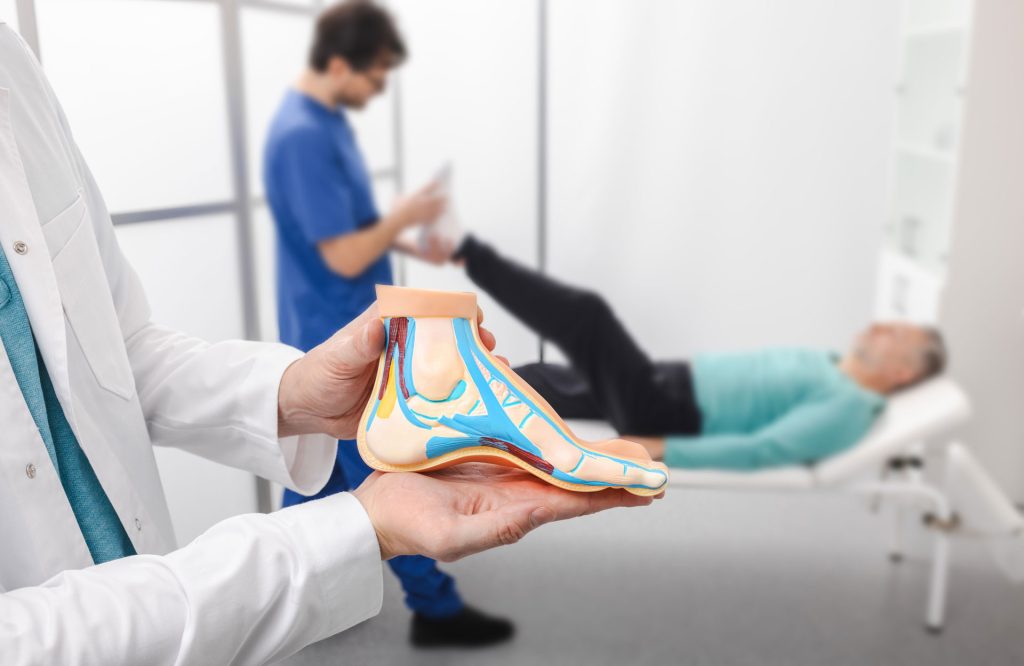
Amniotic injection therapy has shown promise in treating a wide range of foot and heel conditions that are often resistant to conventional treatments. One of the most common applications is for plantar fasciitis, a condition marked by inflammation of the thick band of tissue that runs along the bottom of the foot. Traditional treatments like stretching, orthotics, or corticosteroids may offer temporary relief, but many patients find their symptoms return.
Another frequent application is in Achilles tendinitis, where inflammation or degeneration of the Achilles tendon causes pain and stiffness. Amniotic injections can help reduce the inflammation and stimulate the regeneration of tendon fibers, which is essential for long-term recovery.
Posterior tibial tendinitis, peroneal tendinopathy, and ligament injuries are also often addressed using this therapy. These structures are crucial for foot stability and movement, and damage to them can be debilitating if left untreated. Because these tissues receive limited blood supply, they heal slowly—making regenerative support especially beneficial.
Amniotic injection therapy may also be used for joint issues in the ankle or midfoot, particularly when early signs of arthritis begin to interfere with mobility. In these cases, the therapy aims to slow down joint degeneration while easing discomfort and preserving function.
This versatile treatment is well-suited for both acute injuries and chronic degenerative conditions, offering patients a non-surgical option that supports real healing and long-lasting relief.
Related: How Regenerative Medicine is Revolutionizing Treatment for Heel Pain
The Procedure: What Patients Can Expect
Undergoing amniotic injection therapy is generally a quick and minimally invasive process, usually performed in a clinic setting. The entire appointment often lasts less than an hour, with the injection itself taking just a few minutes. Before the procedure begins, the area to be treated—such as the heel or Achilles region—is cleaned and sterilized to prevent infection.
A local anesthetic is typically used to numb the injection site, ensuring the patient experiences minimal discomfort. Using ultrasound guidance, the healthcare provider carefully injects the amniotic tissue directly into the affected area. This precise placement is critical, as it ensures the regenerative material is delivered exactly where it’s needed.
Most patients report only mild soreness after the injection, similar to the feeling of a flu shot or minor bruise. While the healing process begins immediately at the cellular level, symptom relief may take a few days to a few weeks, depending on the condition being treated and the severity of the damage.
There is typically no need for stitches, bandages, or downtime. Patients are often advised to limit high-impact activities for a short period following the procedure, but most can resume light walking or desk work the same day.
Your doctor may recommend a short follow-up regimen, including physical therapy, stretching, or activity modification, to enhance the healing response. Overall, the procedure is low-risk and well tolerated, offering a convenient and effective alternative to more invasive interventions.
Related: Heel Pain Solutions with Regenerative Medicines Like Exosomes and Amniotic Fluid
Benefits and Potential Risks of Amniotic Injection Therapy
Amniotic injection therapy offers numerous advantages for those suffering from foot and heel pain. Some of the key benefits include:
- Non-surgical: Avoids the risks, downtime, and recovery period associated with surgery.
- Natural healing: Stimulates the body’s own regenerative processes.
- Reduced inflammation: Helps calm chronic inflammation without relying on steroids.
- Minimal downtime: Most patients return to regular activities quickly.
- Safe and ethical: Uses donor tissue from healthy births with no ethical concerns.
Despite its benefits, there are also a few considerations and potential risks:
- Mild discomfort: Some patients experience soreness or swelling at the injection site.
- Delayed relief: Pain may not resolve immediately and can take several weeks.
- Cost: Not all insurance plans cover regenerative therapies, making it potentially expensive out-of-pocket.
- Inconsistent results: As with any therapy, not all patients respond equally well.
It’s important to consult a knowledgeable provider to determine if amniotic injection therapy is right for your specific condition.
Comparing Amniotic Injections to Cortisone and PRP
When considering treatment options for foot and heel pain, patients often weigh amniotic injection therapy against more traditional alternatives like cortisone injections or platelet-rich plasma (PRP) therapy. Here’s a side-by-side comparison to highlight the differences:
- Mechanism of Action:
- Cortisone: Suppresses inflammation quickly but doesn’t promote healing.
- PRP: Uses the patient’s own blood to stimulate healing through growth factors.
- Amniotic: Delivers donor-derived regenerative tissue that promotes both anti-inflammation and repair.
- Cortisone: Suppresses inflammation quickly but doesn’t promote healing.
- Duration of Relief:
- Cortisone: Short-term relief, often lasting a few weeks to months.
- PRP: Moderate relief, may take longer but can last longer.
- Amniotic: Long-term regenerative potential, often improving over time.
- Cortisone: Short-term relief, often lasting a few weeks to months.
- Procedure Complexity:
- Cortisone: Simple, fast injection.
- PRP: Requires blood draw and centrifugation.
- Amniotic: No blood draw, simple in-office injection.
- Cortisone: Simple, fast injection.
- Risk of Side Effects:
- Cortisone: May weaken tissue with repeated use.
- PRP: Minimal risks but may cause temporary inflammation.
- Amniotic: Low risk, generally well tolerated.
- Cortisone: May weaken tissue with repeated use.
This comparison shows that while each option has value, amniotic injection therapy offers a unique combination of healing potential and safety for long-term relief.
If you’re struggling with chronic foot or heel pain and want to explore a cutting-edge, non-surgical treatment, amniotic injection therapy may be the solution you’re looking for. Trust your care to the experts at Mid-Ohio Foot and Ankle Specialist in Lewis Center, Ohio, led by experienced podiatrist Vincent J. Staschiak – DPM, FACFAS, APWHC. Schedule your consultation today to take the first step toward lasting relief and improved mobility.