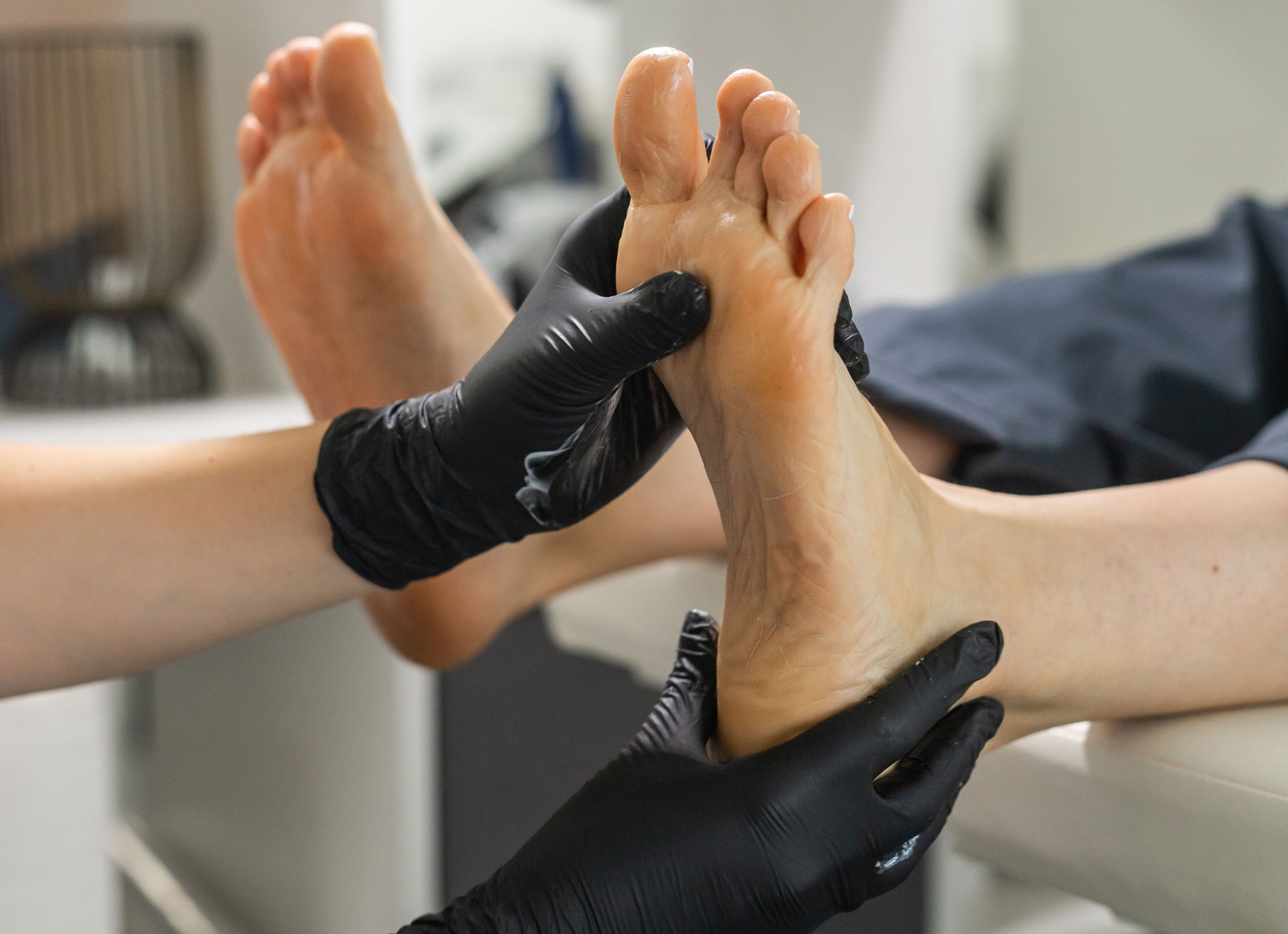
Chronic foot pain caused by fat pad atrophy is more than just uncomfortable—it can significantly impact your ability to walk, exercise, or even stand for long periods. In the realm of regenerative medicine, innovative solutions are emerging to provide lasting relief without surgery. One of the most promising advancements is Leneva, an FDA-approved allograft adipose matrix that supports fat pad restoration in podiatry. Whether you’re a healthcare provider exploring treatment options or a patient seeking long-term relief from heel or forefoot pain, understanding how Leneva works and its role in regenerative medicine is essential.
As the body ages or endures repeated pressure, the natural fat cushions in the feet can deteriorate. Traditional treatments have often failed to deliver lasting results. However, Leneva offers a groundbreaking, non-invasive way to restore volume and relieve pressure-related foot pain. By utilizing the body’s own regenerative capabilities, this innovative product is helping people regain mobility, comfort, and confidence.
What Is Leneva and How Does It Work?
Leneva is a cutting-edge advancement in the field of regenerative medicine, specifically developed to address soft tissue volume loss in the foot. Composed of a sterile, injectable allograft adipose matrix derived from donated human tissue, Leneva serves as a scaffold that encourages the patient’s own body to regenerate new fat tissue in areas where it has deteriorated. This restoration of natural cushioning is critical for relieving pain and pressure that occur when the protective fat pads in the foot become thin or damaged.
When injected into the affected area, Leneva integrates with surrounding tissues and initiates a biological response that promotes new tissue growth. Over time, this process supports long-term restoration rather than just temporary relief. Unlike dermal fillers or cushioning inserts, Leneva’s regenerative properties allow for a more natural and sustainable outcome. The matrix acts as a framework for the body to rebuild, enabling more lasting pain reduction and functional recovery.
Because it requires no incisions and can be performed in a clinic setting, the procedure is minimally invasive and appeals to patients seeking relief without the risks or downtime of surgery. Leneva aligns with the broader goals of regenerative medicine: healing from within, promoting tissue renewal, and improving quality of life through biological repair rather than mechanical fixes.
Related: How Leneva Can Improve Mobility by Replacing Lost Fat Pads in Feet
The Role of Regenerative Medicine in Modern Podiatry
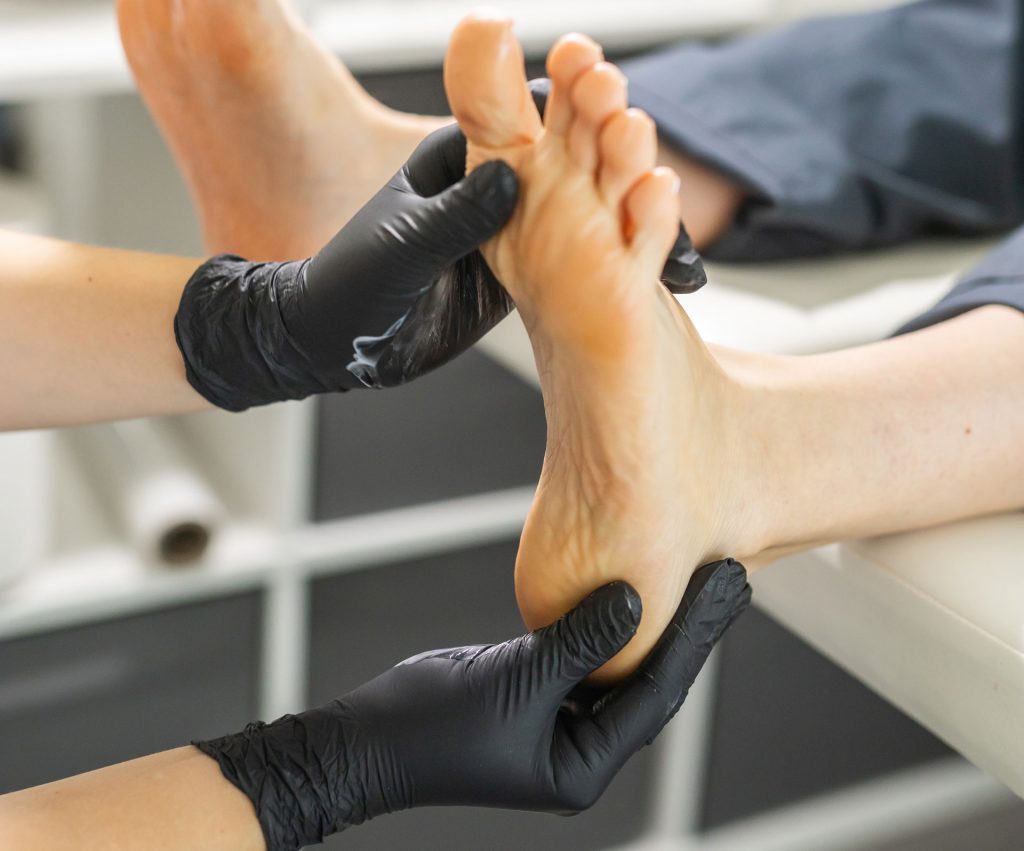
Regenerative medicine is transforming many fields of healthcare, and podiatry is no exception. At its core, regenerative medicine focuses on repairing or replacing damaged tissues by stimulating the body’s own healing mechanisms. In foot care, this approach has shown immense promise for conditions previously treated with surgery or temporary symptomatic solutions. Leneva exemplifies this shift by offering a regenerative solution to a chronic problem—fat pad atrophy.
Traditionally, podiatric treatments for conditions like heel pain, metatarsalgia, or diabetic foot ulcers have focused on symptom management through orthotics, padding, or corticosteroid injections. While these methods can provide temporary relief, they rarely address the underlying tissue degradation. Regenerative options like Leneva, on the other hand, aim to restore the structure and function of the affected area by promoting natural tissue growth.
By incorporating regenerative therapies into their practice, podiatrists can offer patients long-lasting, non-surgical solutions that reduce pain, improve mobility, and support overall foot health. This is especially important for aging populations and individuals with systemic conditions like diabetes, who may be at higher risk for foot complications. As awareness and accessibility grow, regenerative medicine is poised to become a cornerstone of modern podiatric care.
Related: How Regenerative Medicine is Revolutionizing Treatment for Heel Pain
Common Conditions Treated with Leneva
Leneva is most commonly used to treat conditions associated with fat pad loss in the foot, but its applications are broader than many patients realize. One of the primary indications is forefoot fat pad atrophy—a condition where the protective cushion under the ball of the foot deteriorates, leading to pain, calluses, and difficulty walking. For many, this occurs naturally with age or as a result of chronic pressure from footwear, exercise, or structural abnormalities.
Another prevalent use of Leneva is in treating heel fat pad atrophy, which can mimic the symptoms of plantar fasciitis. Patients may experience sharp pain in the heel, especially after periods of rest or prolonged standing. In these cases, Leneva helps restore volume under the heel bone, reducing pressure and improving shock absorption.
Additionally, Leneva has shown effectiveness in managing pressure ulcers and chronic wounds, particularly in patients with diabetes. The restored cushioning helps offload pressure points, promoting better wound healing. It’s also used in conjunction with offloading devices or orthotics to enhance overall outcomes. In podiatric clinics, Leneva is a go-to solution for anyone experiencing localized foot pain due to loss of soft tissue volume. Its regenerative approach not only addresses symptoms but also improves the structure and resilience of the foot over time.
Related: Heel Pain Solutions with Regenerative Medicines Like Exosomes and Amniotic Fluid
Leneva vs. Traditional Foot Pain Treatments
When comparing Leneva to more traditional approaches in foot care, several key differences stand out:
- Root-Cause Treatment vs. Symptom Management: Traditional methods like padding or orthotics treat the symptoms of fat pad loss but not the underlying cause. Leneva promotes actual tissue regeneration.
- Minimally Invasive vs. Surgical Options: While surgical fat grafting or implants may be considered, Leneva offers a non-surgical alternative with fewer complications and faster recovery.
- Longevity of Results: Pads and inserts wear down and require frequent replacement. Leneva’s regenerative matrix supports the long-term restoration of natural cushioning.
- Biological Integration: Unlike synthetic fillers, Leneva integrates with your body’s tissue, reducing the risk of rejection or breakdown over time.
- In-Office Procedure: No hospital stay or extended downtime is necessary. Patients often resume normal activity within days.
These distinctions make Leneva a revolutionary alternative for those seeking a more permanent and biologically sound solution to foot pain caused by fat pad loss.
Related: The Benefits of Regenerative Medicine for Treating Heel and Arch Pain
What to Expect During a Leneva Procedure
Understanding what happens during a Leneva treatment can help patients feel more confident and informed. The procedure is typically done in a podiatrist’s office and takes about 30 to 45 minutes. After a physical examination and confirmation that fat pad loss is contributing to the patient’s pain, the podiatrist will prepare the area with a local anesthetic to ensure comfort during the injection.
Using a small needle, the Leneva matrix is carefully injected into the targeted areas of the foot, such as under the metatarsal heads or heel. The product is pliable and integrates seamlessly into the surrounding tissues. Most patients report little to no discomfort during the procedure itself, and since there are no incisions, there’s minimal risk of infection or scarring.
Following the injection, patients are advised to avoid high-impact activity for a short period—usually one to two weeks—to allow the matrix to settle and stimulate tissue regeneration. Some may experience mild swelling or tenderness, which typically resolves quickly. Over the following weeks and months, the regenerative process continues as the body builds new fat tissue, restoring the natural padding and relieving pressure on the foot.
Is Leneva Right for You? Key Considerations
Before deciding whether Leneva is the right choice, patients and providers should weigh several important factors:
- Severity of Fat Pad Loss: Ideal candidates have noticeable volume loss in specific areas, such as the ball or heel of the foot.
- Activity Level: Leneva is suitable for both sedentary individuals and active patients, but recovery plans may differ.
- Medical History: Those with diabetes or circulatory issues should consult closely with a provider to determine suitability.
- Previous Treatments: Patients who have not responded to orthotics, padding, or injections may benefit from this regenerative option.
- Long-Term Goals: If the aim is to restore natural foot structure rather than mask pain, Leneva offers a biologically grounded solution.
Evaluating these factors with a podiatrist helps ensure that the procedure will deliver meaningful, lasting results tailored to your specific needs.
If you’re struggling with foot pain due to fat pad loss, it’s time to explore a solution that works with your body—not against it. At Mid-Ohio Foot and Ankle Specialist, we proudly offer advanced regenerative treatments like Leneva to help restore comfort, mobility, and quality of life. Located in Lewis Center, Ohio, our clinic is led by experienced podiatrist Vincent J. Staschiak – DPM, FACFAS, APWHC, who specializes in cutting-edge, non-surgical care.
Schedule your consultation today and discover how Leneva can transform your foot health through regenerative medicine.