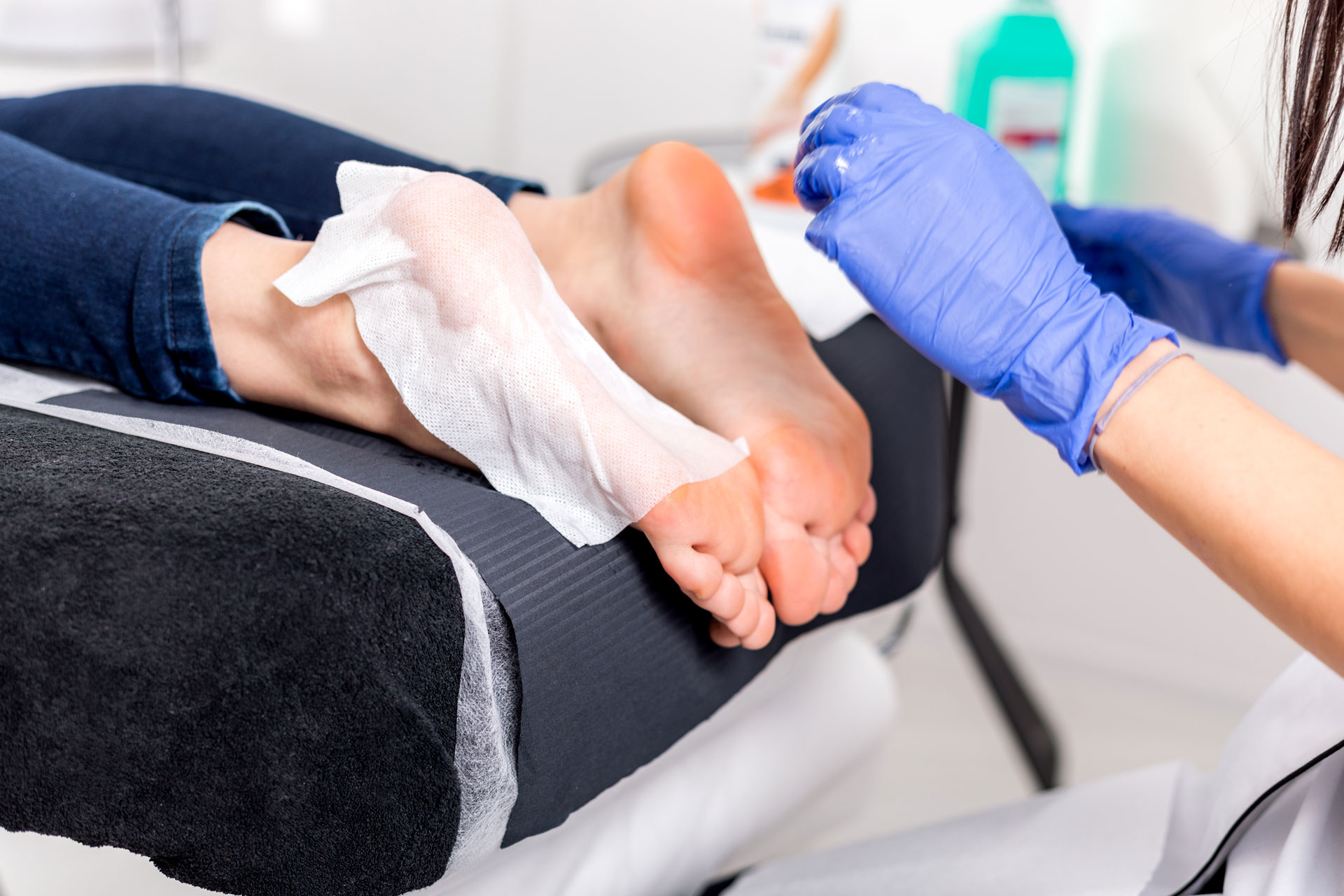
If you’ve ever felt like you’re walking on bones or have noticed increasing foot pain over time, you might be dealing with a condition known as fat pad atrophy. This occurs when the protective cushion of fat under the heel or ball of your foot wears down, leading to discomfort, inflammation, and reduced mobility. Fortunately, innovative solutions like Leneva are now offering new hope. Designed to replace lost fat pads in the feet, Leneva is a non-surgical injectable that restores cushioning and helps people regain their ability to move comfortably.
For individuals dealing with chronic foot pain or those seeking to avoid invasive surgery, Leneva offers a compelling alternative. In this blog, we’ll explore how fat pad loss affects your feet, what Leneva is, how it works, and why it’s becoming a go-to treatment for improving foot function and mobility.
What is a fat pad and why is it important for foot health?
Fat pads in the feet are dense, fibrous cushions located under the heel and the ball of the foot. They serve a vital biomechanical function—acting as shock absorbers during walking, running, or standing. These pads help distribute weight evenly across the foot and reduce pressure on bones, joints, and soft tissues. When healthy, fat pads preserve foot structure and minimize strain on ligaments and tendons.
As we age, or due to excessive wear and tear, these fat pads can thin out or become damaged. This loss leads to a reduced ability to absorb impact, making every step feel more painful and unstable. Without this natural cushioning, pressure is transferred directly to the bones of the foot, often causing discomfort, bruising, and in severe cases, mobility issues.
For people who are active, overweight, or have conditions like diabetes or plantar fasciitis, the role of the fat pad becomes even more crucial. Maintaining this natural padding is essential for preserving not just comfort but also long-term foot health and mobility. That’s where innovative treatments like Leneva step in—offering a way to restore lost cushioning and protect the foot from further degeneration.
Related: How Regenerative Medicine is Revolutionizing Treatment for Heel Pain
Causes and symptoms of fat pad atrophy
Fat pad atrophy can develop gradually over time or more quickly due to lifestyle and health factors. One of the leading causes is the natural aging process. As people get older, the body’s ability to maintain fat stores in specific areas declines, and the feet are especially prone to this kind of tissue loss. Repetitive stress from long-term walking, running, or standing also contributes to the thinning of these protective pads.
Other contributing factors include foot injuries, inflammatory conditions like rheumatoid arthritis, and certain medical procedures or surgeries that inadvertently damage the foot’s fat tissue. Additionally, people with high arches or abnormal gait patterns may experience accelerated fat pad wear due to uneven weight distribution.
Symptoms typically begin with a dull ache or soreness in the heel or ball of the foot, especially when walking on hard surfaces or barefoot. Over time, this discomfort can escalate to sharp pain, inflammation, and sensitivity to pressure. The feet may feel bruised, and patients often describe the sensation of walking directly on bone. In severe cases, fat pad atrophy can alter walking patterns and limit overall mobility.
Recognizing the symptoms early and exploring treatments like Leneva can help slow progression and restore comfort before the condition severely impacts daily activities.
Related: Heel Pain Solutions with Regenerative Medicines Like Exosomes and Amniotic Fluid
How Leneva works to replace lost fat in the feet
Leneva is a breakthrough injectable treatment designed to replace lost fat in the feet without the need for surgery. It uses an allograft adipose matrix—a biologically compatible material derived from donated human tissue. Once injected into the foot, this matrix acts as a scaffold, stimulating the body to regenerate its own fat cells around the injection site.
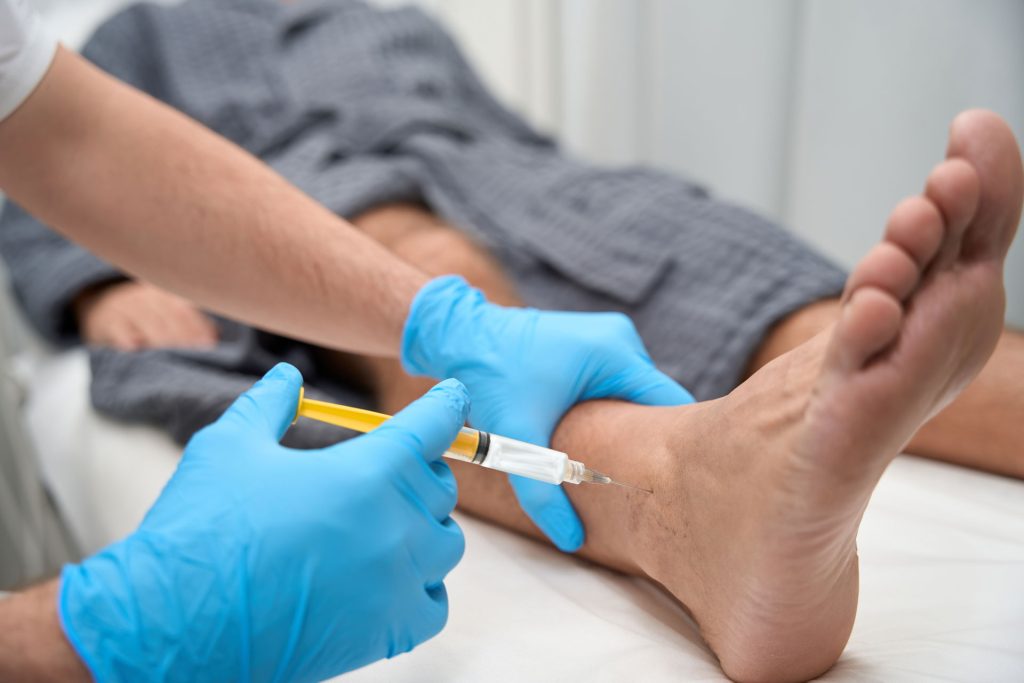
The procedure is minimally invasive, typically done in a clinic under local anesthesia. A small amount of Leneva is injected directly into the area where fat pad atrophy has occurred, usually the heel or ball of the foot. The product provides immediate cushioning and begins to integrate with the surrounding tissue over the following weeks and months.
As the body responds to the injection, it starts to produce new fat tissue that mimics the natural structure and function of the original fat pad. This regeneration process leads to long-term improvement in shock absorption, pressure distribution, and foot comfort.
Patients who undergo Leneva treatment often report reduced pain, greater ease when walking or standing, and a significant improvement in mobility. Because the material is naturally absorbed and replaced by the body’s own tissue, the results can last for several years, making it an appealing option for those looking for a sustainable solution to fat pad loss.
Related: The Benefits of Regenerative Medicine for Treating Heel and Arch Pain
Benefits of using Leneva for improving mobility
Leneva is not just about pain relief—it’s about helping people move better, longer, and with greater confidence. Here are some key benefits of using Leneva to address fat pad loss:
- Improved cushioning: Leneva restores the natural padding underfoot, reducing bone-on-ground impact.
- Minimally invasive: It’s a non-surgical treatment, meaning no downtime and fewer risks than traditional surgery.
- Natural tissue regeneration: The injectable encourages your body to rebuild fat tissue over time.
- Enhanced mobility: With less pain and more support, walking becomes easier and more comfortable.
- Long-lasting effects: Many patients report relief that lasts for years, depending on lifestyle and activity level.
- Better pressure distribution: Reduces the risk of calluses, ulcers, or further foot injuries.
Whether you’re an athlete, an active adult, or someone looking to preserve independence as you age, Leneva offers a way to maintain mobility and foot function without drastic interventions.
Related: The Future of Podiatry: Regenerative Medicine Options for Heel Pain
What to expect during and after a Leneva treatment
The Leneva procedure is typically performed in a podiatrist’s or orthopedic specialist’s office and is considered low-risk. Prior to the injection, your doctor will assess the extent of fat pad loss and determine the appropriate volume and placement of Leneva. The area will be cleaned and numbed with a local anesthetic to ensure comfort during the procedure.
Once prepared, the specialist will use a fine needle to inject the Leneva product into the targeted area of the foot. The entire process generally takes less than an hour. Most patients experience immediate relief due to the added volume of the injectable, though full tissue regeneration can take several weeks.
Post-procedure care involves avoiding high-impact activities for a short period—usually a week or two. Patients are advised to wear supportive footwear and may be asked to follow up for progress assessments. Mild swelling or tenderness at the injection site is normal but resolves quickly.
The gradual rebuilding of fat tissue means that improvements in cushioning and mobility become more noticeable over time. For most patients, the results are long-lasting, and the need for repeat treatments is minimal.
Who is a good candidate for Leneva?
Not everyone needs or qualifies for Leneva, but many people with specific symptoms and conditions can benefit. You may be a good candidate if:
- You experience pain in the heel or ball of the foot due to lost cushioning
- You’ve been diagnosed with fat pad atrophy or plantar fasciitis
- You prefer non-surgical solutions to foot pain
- Your mobility is limited by discomfort during walking or standing
- You have not responded well to orthotics, shoe inserts, or conservative care
- You are generally healthy and free from major foot infections or open wounds
Leneva is especially appealing to older adults, active individuals, and those managing chronic foot discomfort. A consultation with a qualified provider can help determine if this treatment is right for you based on your medical history and activity goals.
If foot pain is limiting your movement or affecting your daily comfort, don’t wait to find relief. Discover how Leneva can help restore your foot’s natural cushioning and improve your overall mobility. At Mid-Ohio Foot and Ankle Specialist in Lewis Center, Ohio, you’ll receive expert care from Vincent J. Staschiak – DPM, FACFAS, APWHC, a board-certified podiatrist with extensive experience in fat pad restoration and advanced foot care solutions.
Schedule your consultation today and take your first step toward walking comfortably again.