In the ever-evolving field of podiatric medicine, innovative treatments continue to emerge, offering new hope for patients suffering from persistent foot ailments. Among these advancements, Platelet-Rich Plasma (PRP) therapy stands out as a promising option for those seeking relief from heel pain.
Leveraging the body’s natural healing processes, PRP therapy involves the use of concentrated platelets derived from the patient’s own blood to promote tissue regeneration and reduce inflammation. As an increasingly popular treatment choice, PRP is gaining traction for its potential to address the root causes of heel pain, offering a minimally invasive solution with lasting benefits. This introduction explores the science behind PRP and its transformative impact on foot health.
Understanding Platelet-Rich Plasma (PRP)
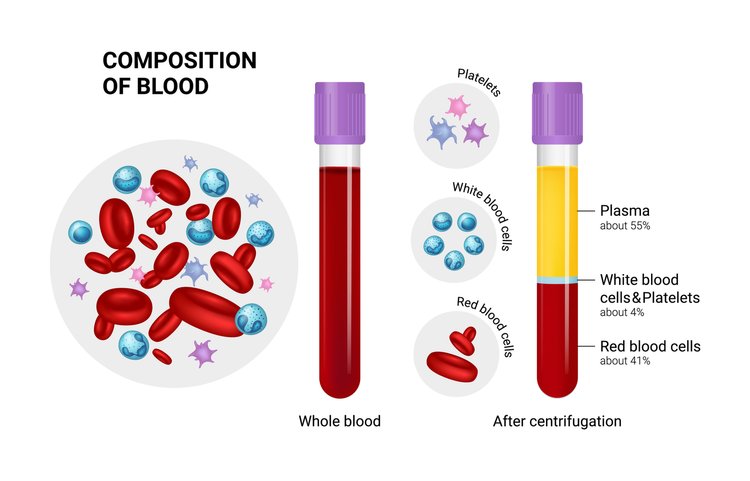
Platelet-Rich Plasma (PRP) therapy is a cutting-edge treatment in podiatric medicine, particularly promising for individuals suffering from chronic heel pain. PRP involves the extraction and concentration of platelets from a patient’s own blood, which are then injected into the affected area. This process harnesses the body’s natural healing mechanisms, as platelets release growth factors that aid in tissue regeneration and inflammation reduction.
The science behind PRP is based on delivering a high concentration of platelets directly to areas with degenerative tissue, such as the plantar fascia in the foot. When injected, these platelets become activated and release growth factors like platelet-derived growth factor and transforming growth factor-β. These factors play a critical role in cellular repair and tissue remodeling, potentially revitalizing the damaged tissue and promoting long-term healing.
PRP therapy stands out as a minimally invasive alternative to traditional treatments like corticosteroid injections, which may offer only short-term relief and come with potential side effects. For those with heel pain that has not responded to conventional therapies, PRP offers a promising path forward, combining innovative science with the potential for substantial and lasting pain relief.
Related: How Regenerative Medicine is Revolutionizing Podiatry
How PRP Promotes Healing: A Look at Tissue Regeneration and Inflammation Reduction
Platelet-Rich Plasma (PRP) therapy offers a promising approach to healing by leveraging the body’s natural regenerative processes. Here’s how PRP promotes tissue regeneration and inflammation reduction, especially beneficial for heel pain:
- Growth Factor Release: PRP contains a high concentration of platelets, which, when activated, release growth factors such as platelet-derived growth factor (PDGF) and transforming growth factor-beta (TGF-β). These growth factors are vital in stimulating cell proliferation, angiogenesis, and collagen synthesis, which are crucial for tissue repair.
- Tissue Regeneration: The growth factors in PRP enhance the body’s natural healing capabilities. By promoting the proliferation of fibroblasts and other reparative cells, PRP encourages the regeneration of damaged tissues, such as the plantar fascia, which is often implicated in heel pain.
- Inflammation Reduction: PRP also plays a role in modulating the inflammatory response. It helps to reduce inflammation by downregulating pro-inflammatory cytokines and upregulating anti-inflammatory mediators, resulting in reduced pain and swelling.
- Enhanced Healing Environment: By creating a more favorable environment for healing, PRP supports faster recovery. It helps to balance the inflammatory response, reducing the chronic inflammation that often accompanies heel pain conditions like plantar fasciitis.
Through these mechanisms, PRP therapy offers a targeted approach to alleviate heel pain by both repairing the underlying tissue damage and managing inflammation effectively.
Related: Regenerative Medicine: A New Hope for Patients with Plantar Fasciitis
The PRP Procedure: What to Expect During Treatment
When considering Platelet-Rich Plasma (PRP) therapy for heel pain, understanding the procedure can help ease any concerns. Here’s what you can expect during a typical PRP treatment:
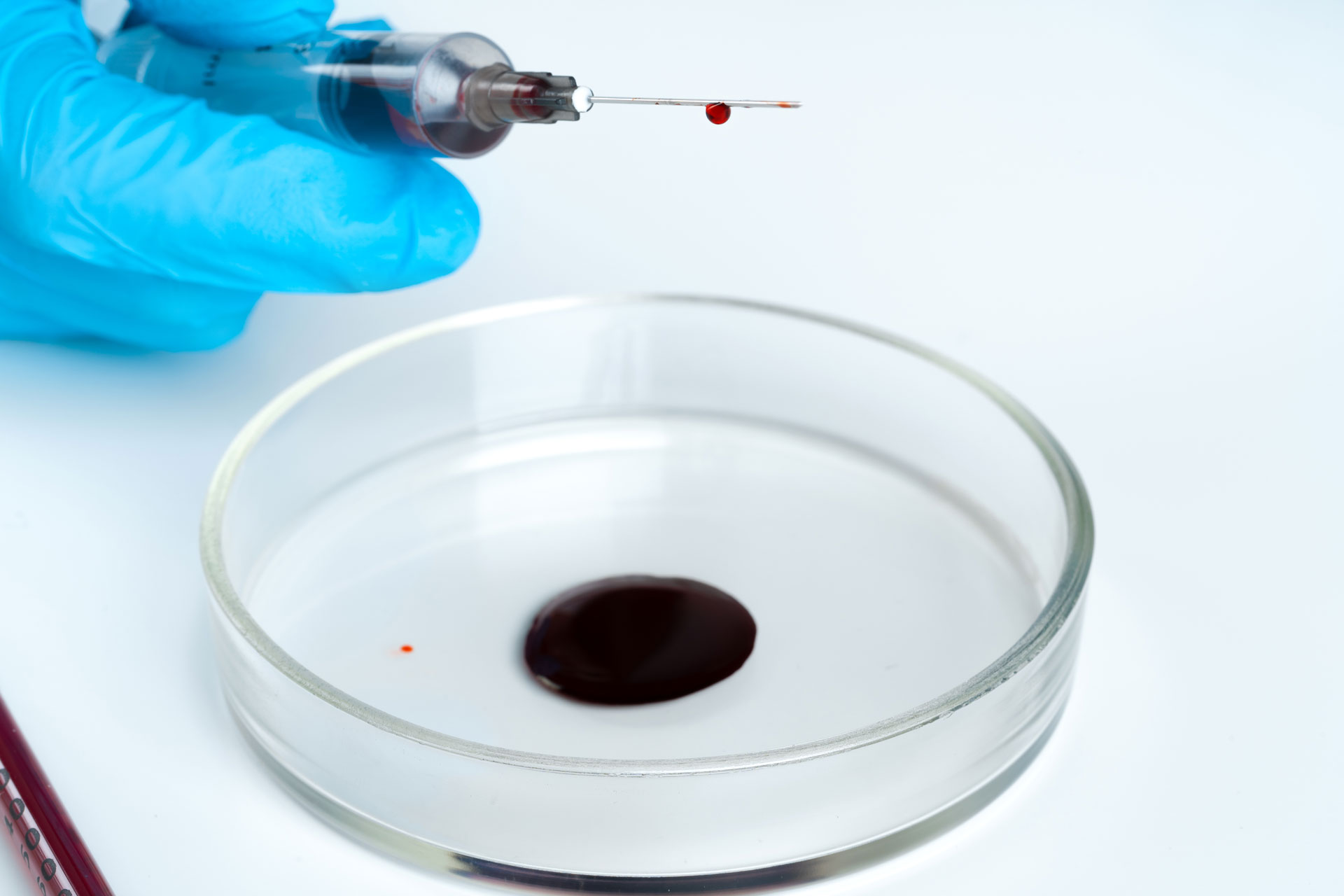
- Blood Collection: The process begins with a simple blood draw, where up to two ounces of your blood is collected.
- Centrifugation: Your blood sample is placed in a centrifuge, a machine that spins at high speeds to separate blood components. This step concentrates the platelets, which are rich in growth factors essential for healing.
- PRP Preparation: After centrifugation, the platelet-rich plasma is isolated and prepared for injection.
- Injection Site Preparation: The treatment area, typically around the plantar fascia, is cleaned using antiseptic solutions like iodine or alcohol to minimize infection risk.
- PRP Injection: The prepared PRP is injected into the targeted area using a fine needle. Ultrasound guidance may be used to ensure precise placement of the injection for optimal results.
- Post-Injection Care: Patients might experience some temporary sensitivity, swelling, or mild pain at the injection site. These symptoms usually subside within a few days.
PRP therapy offers a minimally invasive solution designed to leverage your body’s natural healing mechanisms, providing relief and promoting recovery from heel pain.
Related: Overcoming Achilles Tendonitis with Regenerative Medicine
Benefits of PRP for Heel Pain: A Minimally Invasive Solution
Platelet-Rich Plasma (PRP) therapy offers several compelling benefits as a minimally invasive solution for heel pain, particularly for those suffering from conditions like plantar fasciitis. Here are some key advantages:
- Pain Reduction: PRP has been shown to significantly reduce pain by delivering concentrated growth factors directly to the affected area, promoting healing and alleviating discomfort associated with heel pain.
- Enhanced Healing: The growth factors in PRP stimulate the body’s natural healing processes, accelerating tissue repair and regeneration. This can lead to faster recovery times compared to traditional treatments.
- Improved Functionality: Patients receiving PRP therapy often experience improved foot function, as the treatment helps restore mobility and ease stiffness in the heel.
- Long-Term Relief: Unlike some treatments that offer only short-term relief, PRP can provide lasting benefits. Studies indicate that PRP’s effects on pain and functionality can endure for months, making it a sustainable treatment option.
- Reduced Risk of Side Effects: As a natural therapy derived from the patient’s own blood, PRP minimizes the risk of adverse reactions and complications associated with synthetic drugs or invasive procedures.
These benefits make PRP therapy an attractive option for individuals seeking effective, long-term relief from heel pain without the drawbacks of more invasive treatments.
Related: Regenerative Medicine and Its Role in Treating Flat Feet
Comparing PRP with Traditional Heel Pain Treatments: Pros and Cons
When exploring treatment options for heel pain, particularly plantar fasciitis, it’s essential to weigh the benefits and drawbacks of Platelet-Rich Plasma (PRP) therapy compared to traditional treatments like corticosteroid injections. Here’s a breakdown of the pros and cons:
- Pros of PRP Therapy:
- Long-Term Relief: PRP has been shown to provide sustained pain relief and improved functionality over time, with effects that can last for months.
- Regenerative Properties: Unlike corticosteroids, PRP promotes healing by enhancing tissue regeneration through growth factors, potentially addressing the root cause of pain.
- Minimal Side Effects: As a treatment derived from the patient’s own blood, PRP minimizes the risk of adverse reactions and complications typically associated with synthetic drugs.
- Cons of PRP Therapy:
- Cost and Availability: PRP can be more costly and may not be as widely available as traditional treatments.
- Variable Results: The efficacy of PRP can vary based on the preparation method and patient-specific factors.
- Pros of Corticosteroid Injections:
- Immediate Pain Relief: Corticosteroids can quickly reduce inflammation and pain, providing rapid symptom relief.
- Widespread Use: This treatment is widely available and typically covered by insurance plans.
- Cons of Corticosteroid Injections:
- Short-Term Effectiveness: Relief from corticosteroids may be temporary, often requiring repeat treatments.
- Potential Complications: Risk of side effects like fascia rupture and atrophy with repeated use.
Deciding between PRP and traditional treatments depends on individual patient needs and treatment goals.
The Growing Popularity of PRP in Podiatry: Trends and Future Prospects
The use of Platelet-Rich Plasma (PRP) in podiatry has seen a notable rise, driven by its potential to enhance healing in various foot and ankle conditions. As a form of regenerative medicine, PRP therapy is gaining traction due to its ability to accelerate tissue repair by utilizing growth factors from the patient’s own blood.
This treatment is particularly appealing for conditions such as plantar fasciitis and Achilles tendonitis, where traditional methods may fall short or result in prolonged recovery periods. The current trend in podiatry is shifting towards minimally invasive procedures, with PRP leading the charge as a preferred option for those seeking effective pain relief without the drawbacks of surgery or corticosteroid injections.
In the future, PRP is expected to become more integrated into standard podiatric practice, fueled by ongoing research and positive patient outcomes. As advancements in PRP preparation and application techniques continue, the therapy’s efficacy and accessibility are likely to improve, potentially leading to broader insurance coverage and reduced costs.
Moreover, the exploration of PRP in combination with other regenerative approaches, such as stem cell therapy, may further expand its role in comprehensive foot and ankle care, positioning PRP as a cornerstone in the evolving landscape of podiatric treatments.
Who is a Good Candidate for PRP Therapy? Assessing Suitability for Treatment
When determining who is a good candidate for Platelet-Rich Plasma (PRP) therapy, several factors come into play. PRP is a non-surgical treatment that utilizes the body’s natural healing mechanisms to address chronic pain and tissue damage. Here’s what to consider when assessing suitability for PRP treatment:
- Failed Conservative Treatments: Ideal candidates have often tried other treatment options, such as physical therapy or medications, without achieving significant relief.
- Healthy Lifestyle: Maintaining regular exercise and a balanced diet can enhance the effectiveness of PRP therapy. Non-smokers typically experience better outcomes since smoking can impede the healing process.
- Realistic Expectations: Understanding that while PRP can significantly aid in recovery, results may vary based on individual health conditions and the chronicity of the injury.
- Absence of Contraindications: Individuals with certain conditions, such as active infections or chronic liver disease, may not be suitable for PRP therapy.
If you’re considering this innovative treatment for heel pain in Lewis Center, Ohio, consult with the Mid-Ohio Foot and Ankle Specialist to determine if PRP is right for you. Their expertise can guide you through the process, ensuring a personalized approach to your podiatric care needs.