
Achilles tendonitis is a common yet debilitating condition that affects a significant number of individuals, particularly those who engage in sports or activities requiring extensive foot movement. Characterized by inflammation and pain in the Achilles tendon, this ailment can impede daily activities and athletic performance, leading many to seek effective treatment options.
Traditional approaches often involve rest, physical therapy, and medication, but recent advancements in regenerative medicine offer promising alternatives. This article delves into the innovative treatments available through regenerative medicine, exploring how these therapies can enhance recovery and provide relief for those suffering from Achilles tendonitis.
Understanding Achilles Tendonitis

Achilles tendonitis is a condition characterized by the inflammation of the Achilles tendon, which connects the calf muscles to the heel bone. This tendon is crucial for activities involving foot movement, such as walking, running, and jumping. Understanding the causes, symptoms, and traditional treatment approaches for Achilles tendonitis is essential for those seeking effective relief.
Causes and Risk Factors
Achilles tendonitis commonly arises from repetitive stress and overuse of the tendon, often seen in athletes and individuals who participate in sports requiring sudden starts and stops, like basketball or tennis. It can also result from a sudden increase in physical activity intensity or duration without adequate conditioning. Middle-aged and older adults are particularly susceptible due to tendon degeneration associated with aging.
Other risk factors include:
- Tight calf muscles, which place additional strain on the tendon.
- Bone spurs that can irritate the tendon.
- Obesity, which adds extra stress to the tendon.
- Improper footwear lacking proper support.
Symptoms and Diagnosis
The primary symptom of Achilles tendonitis is pain along the back of the leg or above the heel, especially after physical activity. The pain may start as a mild ache but can progress if the condition is left untreated. Other symptoms include swelling, tenderness, and stiffness in the affected area.
Diagnosis typically involves a physical examination where a doctor looks for signs of swelling, tenderness, and reduced range of motion. In some cases, imaging tests like ultrasound or MRI may be used to assess the extent of tendon damage.
Traditional Treatment Methods
Conservative treatments for Achilles tendonitis often begin with rest and activity modification to reduce strain on the tendon. Ice application and nonsteroidal anti-inflammatory drugs (NSAIDs) can help manage pain and inflammation. Physical therapy focusing on stretching and strengthening exercises for the calf muscles is commonly recommended. In severe cases, wearing a brace or orthotic device may be necessary to support the heel and reduce tension on the tendon.
Understanding these foundational aspects of Achilles tendonitis sets the stage for exploring innovative regenerative medicine therapies that offer advanced treatment options for this common yet challenging condition.
Related: Regenerative Medicine and Its Role in Treating Flat Feet
Regenerative Therapies for Achilles Tendonitis
Regenerative medicine has emerged as a groundbreaking approach to treating Achilles tendonitis, providing innovative solutions that offer faster recovery, pain relief, and minimal side effects. This section explores the primary regenerative therapies currently used for Achilles tendonitis: Platelet-Rich Plasma (PRP) therapy, stem cell therapy, and prolotherapy.
Platelet-Rich Plasma (PRP) Therapy
PRP therapy involves using the patient’s own blood, which is processed to concentrate the platelets. These platelets are rich in growth factors that promote tissue healing and regeneration. In PRP therapy, the concentrated platelet solution is injected directly into the affected area of the Achilles tendon. This process enhances the body’s natural healing mechanisms, leading to reduced pain and improved tendon function. Patients often experience faster recovery times with PRP compared to traditional treatments.
Stem Cell Therapy
Stem cell therapy leverages the body’s ability to regenerate by using stem cells, which can differentiate into various types of tissue, including tendon cells. There are two primary sources of stem cells used in this therapy: autologous (derived from the patient’s own body) and allogenic (donated from another person). Research indicates that stem cell therapy can significantly accelerate the healing process for Achilles tendon disorders. For instance, patients treated with allogenic-derived stem cells have shown faster recovery compared to those receiving PRP alone.
Prolotherapy
Prolotherapy involves injecting an irritant solution, such as dextrose, into the affected tendon area. This stimulates the body’s healing response, leading to the repair of damaged tendon fibers. Although not as widely studied as PRP or stem cell therapy, prolotherapy has shown promising results in enhancing tendon repair and reducing pain5.
The application of these regenerative therapies represents a significant advancement in the treatment of Achilles tendonitis. By harnessing the body’s natural healing processes, these treatments provide effective alternatives to traditional methods, offering patients a quicker and more comfortable path to recovery.
Related: How Regenerative Medicine is Transforming the Treatment of Hammertoes
Benefits of Regenerative Medicine for Achilles Tendonitis
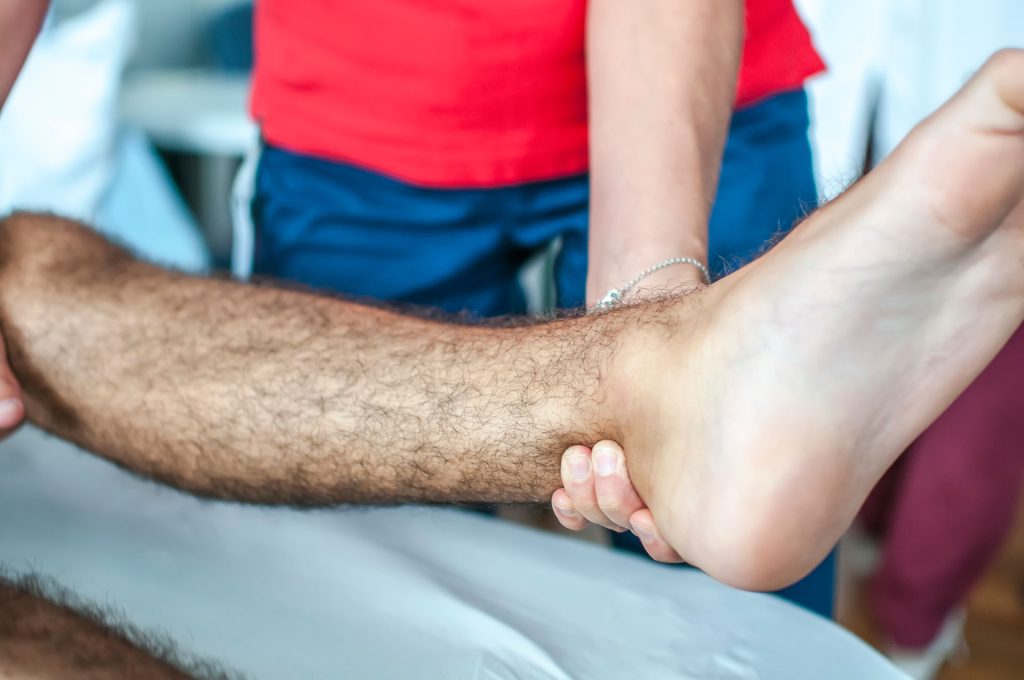
Regenerative medicine has revolutionized the treatment of Achilles tendonitis, offering numerous benefits that enhance patient outcomes compared to traditional methods. This section examines some of the key advantages of regenerative therapies for those dealing with this painful condition.
Faster Recovery Times
One of the most significant benefits of regenerative medicine is its ability to accelerate the healing process. Treatments like Platelet-Rich Plasma (PRP) therapy and stem cell therapy harness the body’s natural healing mechanisms to repair damaged tissues more efficiently. Patients often experience quicker recovery and can return to their normal activities sooner than with conventional treatments.
Reduction in Pain and Inflammation
Regenerative therapies are effective in reducing pain and inflammation associated with Achilles tendonitis. PRP injections concentrate the body’s own platelets, which release growth factors that reduce inflammation and promote tissue regeneration. Similarly, stem cell injections introduce cells that differentiate into healthy tendon tissue, helping to alleviate chronic pain and inflammation. These treatments offer a less invasive alternative to surgery, leading to fewer complications and a smoother recovery process.
Minimally Invasive Procedures
Regenerative treatments are generally performed as minimally invasive procedures, which means they involve fewer risks compared to surgical interventions. Options like stem cell therapy involve simple injections rather than incisions, reducing the potential for infection and other surgical complications. This approach is particularly advantageous for patients who may not be ideal candidates for surgery due to health concerns or preferences.
Long-Term Efficacy
Studies have shown that regenerative therapies not only provide immediate relief but also offer long-term benefits. The natural repair processes stimulated by these treatments result in stronger and more resilient tendon tissues over time. For example, autologous bone marrow-derived mesenchymal stem cell treatments have demonstrated sustained improvements in tendon function and structure.
Personalized Treatment Plans
Regenerative medicine allows for highly personalized treatment plans tailored to the individual needs of each patient. By using the patient’s own cells or blood products, these therapies minimize the risk of rejection and adverse reactions, ensuring a more customized and effective treatment experience.
In conclusion, the benefits of regenerative medicine for Achilles tendonitis are substantial, providing faster recovery, reduced pain, minimally invasive procedures, long-term efficacy, and personalized care. These advancements represent a significant leap forward in the treatment of tendon injuries, offering hope and improved outcomes for patients.
Related: Regenerative Medicine: The Next Frontier in Heel Pain Management
What to Expect During Regenerative Treatment
Understanding what to expect during regenerative treatment for Achilles tendonitis can help patients feel more confident and prepared for the process. This section provides an overview of the steps involved in common regenerative treatments like Platelet-Rich Plasma (PRP) therapy, stem cell therapy, and prolotherapy.
Preparation and Procedure
Before any regenerative treatment, a thorough medical evaluation is conducted to assess the extent of tendon damage and determine the most suitable therapy. Diagnostic tools such as ultrasound are often used to pinpoint the exact location of the injury. Based on the diagnosis, a customized treatment plan is developed.
PRP Therapy
During PRP therapy, a small amount of the patient’s blood is drawn and processed to concentrate the platelets. The resulting platelet-rich plasma is then injected directly into the affected area of the Achilles tendon. The entire procedure typically takes about 30 minutes to an hour and is performed on an outpatient basis.
Stem Cell Therapy
Stem cell therapy involves harvesting stem cells from the patient’s bone marrow or adipose tissue. These cells are then processed and injected into the damaged tendon to promote healing. This minimally invasive procedure is also performed on an outpatient basis and usually takes about one to two hours.
Prolotherapy
Prolotherapy involves injecting an irritant solution, such as dextrose, into the injured tendon. This stimulates the body’s natural healing response, encouraging the repair of damaged tissues. Similar to PRP and stem cell therapy, prolotherapy is a quick outpatient procedure.
Post-Treatment Care and Rehabilitation
After the injection, patients may experience mild discomfort at the injection site, which typically subsides within a few days. Rest and limited activity are generally recommended immediately following the procedure to allow the treatment to take effect. Patients are usually advised to avoid strenuous activities for a few weeks.
Physical therapy often complements regenerative treatments, focusing on stretching and strengthening exercises to support tendon healing and prevent future injuries. Follow-up appointments are scheduled to monitor progress and adjust the treatment plan as needed.
In conclusion, regenerative treatments for Achilles tendonitis are minimally invasive procedures with relatively short recovery times. Understanding the preparation, procedure, and post-treatment care helps patients make informed decisions and sets the stage for effective recovery.
Related: Top 10 Dos and Don’ts of Plantar Fasciitis: Insights from Dr. Staschiak
Finding a Qualified Specialist
Finding a qualified specialist is a crucial step in effectively treating Achilles tendonitis with regenerative medicine. This section guides you through the key factors to consider when selecting a specialist and highlights reputable institutions known for their expertise in this area, including the Mid-Ohio Foot and Ankle Specialist.
Key Factors to Consider
- Credentials and Experience: Ensure the specialist is board-certified in podiatric medicine or orthopedics and has extensive experience in regenerative therapies for tendon injuries.
- Specialization in Regenerative Medicine: Look for practitioners specifically trained in regenerative treatments such as Platelet-Rich Plasma (PRP) therapy, stem cell therapy, and prolotherapy.
- Patient Reviews and Testimonials: Patient feedback can provide insights into the specialist’s success rates and patient satisfaction.
- Access to Advanced Technologies: Opt for specialists who utilize the latest technologies and methodologies in regenerative medicine.
Scheduling an Initial Consultation
An initial consultation is essential to determine if regenerative medicine is the right option for your Achilles tendonitis. During this visit, the specialist will assess your condition, discuss potential treatments, and develop a personalized treatment plan.
In conclusion, finding a qualified specialist involves evaluating credentials, specialization, patient reviews, and access to advanced technologies. Institutions like the Mid-Ohio Foot and Ankle Specialist and others mentioned provide high-quality care and innovative regenerative treatments for Achilles tendonitis.