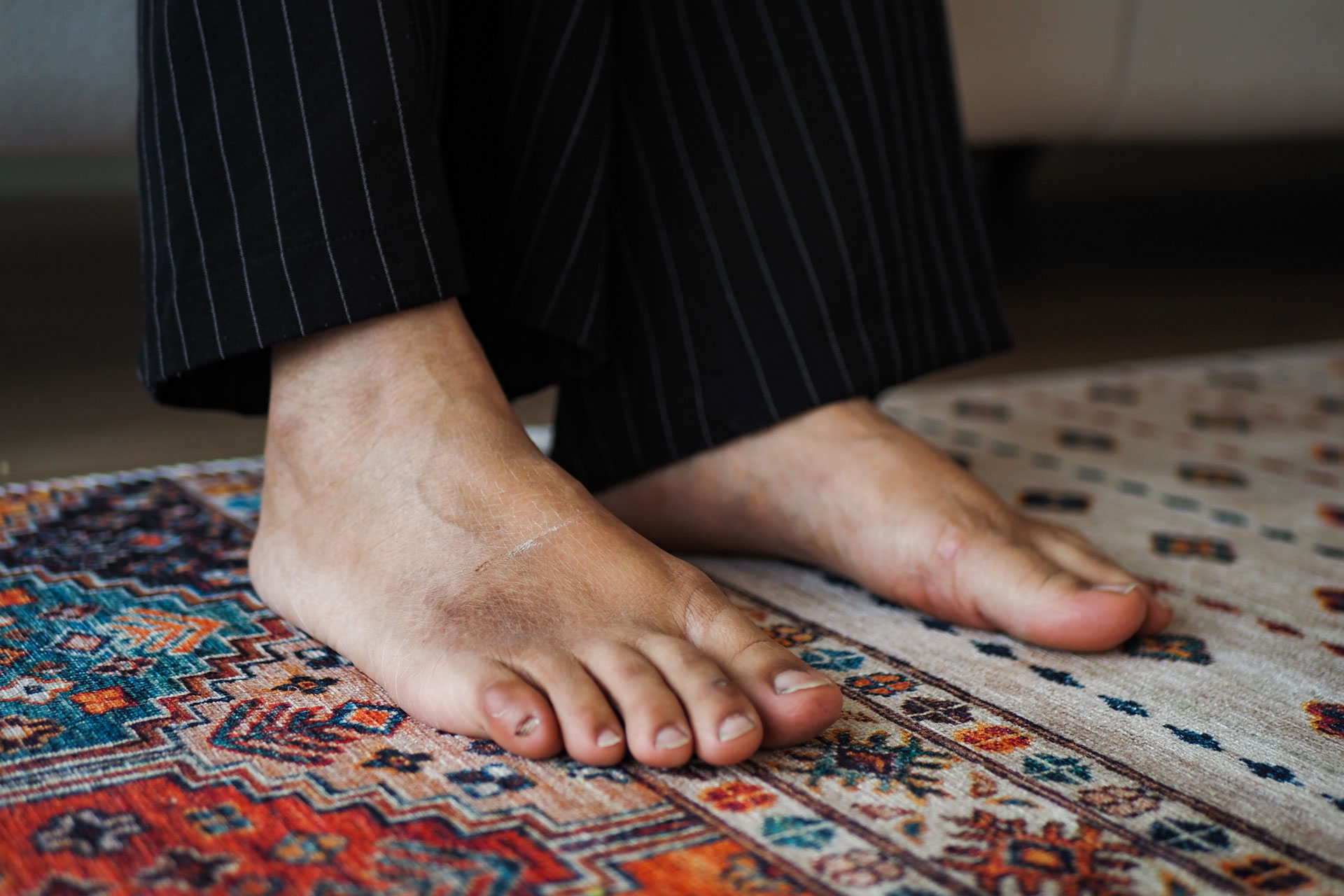
Flat feet, a common condition affecting a substantial portion of the population, can lead to discomfort and pain that interferes with daily activities. Traditional treatments often focus on alleviating symptoms through orthotics, physical therapy, or surgery. However, advances in regenerative medicine offer promising new avenues for addressing the root causes of flat feet.
By utilizing the body’s natural healing capabilities, regenerative techniques aim to repair and restore damaged tissues, providing a potentially more effective solution for those suffering from this condition. In this exploration, we will delve into how regenerative medicine works and its potential benefits for treating flat feet, empowering patients with innovative options for improved foot health.
Understanding Flat Feet: Causes and Symptoms
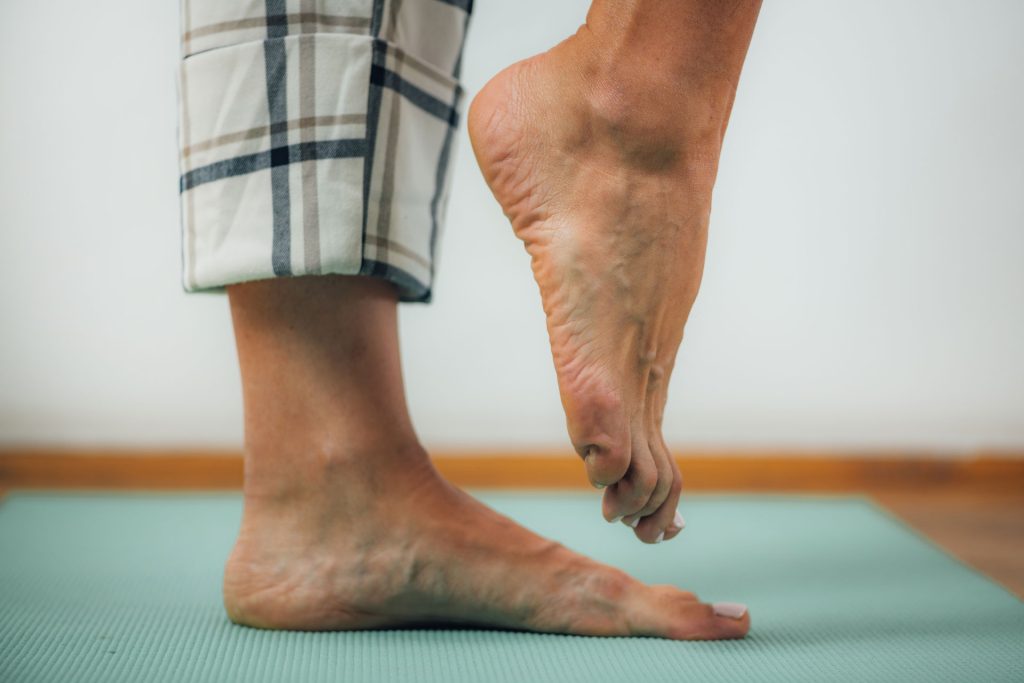
Flat feet, also known as pes planus or fallen arches, is a condition where the arches of the feet are flattened, allowing the entire sole to touch the ground when standing. This condition can be congenital, present from birth, or develop later in life due to various factors.
Causes of Flat Feet
Congenital Abnormalities: Some individuals are born with flat feet due to genetic factors or developmental issues during infancy.
Tendon Injuries: Damage to the posterior tibial tendon, which supports the arch, can lead to flat feet. Injuries such as inflammation or tears weaken the tendon, reducing its ability to hold up the arch.
Aging and Wear-and-Tear: Over time, the tendons and ligaments that maintain the foot’s arch may weaken due to aging, leading to flat feet. This is commonly seen in adults and particularly affects those over the age of 40.
Rheumatoid Arthritis and Other Conditions: Chronic conditions such as rheumatoid arthritis can inflame and damage the tissues in the feet, contributing to fallen arches. Other contributing conditions include diabetes and obesity, which place additional stress on the feet.
Injuries and Trauma: Fractures or dislocations in the foot or ankle can alter the structure of the foot, causing the arch to collapse.
Symptoms of Flat Feet
While some people with flat feet experience no symptoms, others may face significant discomfort. Common symptoms include:
- Foot Pain: Pain is often localized in the heel or arch area but can extend to the ankle and even the lower legs.
- Swelling and Stiffness: Swelling along the inside of the ankle and foot can occur, accompanied by stiffness.
- Fatigue: The lack of an arch can lead to muscle fatigue and leg cramps due to the altered mechanics of walking or standing for extended periods.
- Altered Footwear Fit: Individuals with flat feet may find it challenging to fit comfortably into standard footwear due to changes in foot shape.
Understanding the causes and symptoms of flat feet is crucial for identifying appropriate treatments. Regenerative medicine offers innovative approaches that could potentially address these underlying causes rather than just alleviating symptoms.
Related: How Regenerative Medicine is Transforming the Treatment of Hammertoes
How Regenerative Medicine Can Help with Flat Feet
Regenerative medicine represents a promising frontier in the treatment of flat feet, offering innovative solutions that focus on repairing and regenerating damaged tissues rather than merely alleviating symptoms. This approach harnesses the body’s natural healing processes to address the underlying causes of flat feet, providing patients with potentially more effective and lasting relief.
Mechanisms of Action
Stem Cell Therapy: Stem cell therapy is one of the most exciting applications of regenerative medicine for flat feet. This treatment involves injecting stem cells into the damaged area, where they can differentiate into various types of cells needed for tissue repair and regeneration. Stem cells promote the formation of new, healthy tissue, which can help restore the integrity of the foot’s arch.
Platelet-Rich Plasma (PRP) Therapy: PRP therapy utilizes the patient’s own blood, which is processed to concentrate the platelets. These platelets are rich in growth factors that stimulate tissue repair and reduce inflammation. Injecting PRP into the affected areas of the foot can accelerate the healing process and strengthen the structures supporting the arch.
Benefits for Flat Feet
Regenerative medicine offers several benefits for patients with flat feet:
- Targeted Healing: By focusing on the damaged tendons and ligaments, regenerative treatments can directly address the weakened or injured tissues responsible for fallen arches.
- Reduction in Pain and Inflammation: Both stem cell and PRP therapies have been shown to reduce pain and inflammation, providing symptomatic relief while also promoting healing.
- Minimally Invasive: Compared to surgical options, regenerative treatments are minimally invasive, involving injections rather than incisions. This minimizes recovery time and reduces the risk of complications.
- Natural Healing: Regenerative medicine leverages the body’s own healing mechanisms, leading to more natural and sustainable repair processes.
Potential Applications
Beyond treating flat feet, regenerative medicine can be effective for a variety of foot and ankle issues, including tendonitis, arthritis, and injuries to the Achilles tendon. This versatility makes it a valuable option for patients seeking holistic and comprehensive care.
Incorporating regenerative medicine into the treatment plan for flat feet can offer patients a path to improved foot health, reduced discomfort, and enhanced mobility.
Related: Regenerative Medicine: The Next Frontier in Heel Pain Management
Stem Cell Therapy for Flat Feet
Stem cell therapy has emerged as a groundbreaking treatment in regenerative medicine, offering new hope for patients suffering from flat feet. This innovative approach leverages the body’s natural ability to heal by using stem cells to repair and regenerate damaged tissues, particularly in the tendons and ligaments that support the arch of the foot.
What is Stem Cell Therapy?
Stem cell therapy involves harvesting stem cells from the patient’s own body, typically from fat tissue or bone marrow. These cells are then concentrated and injected into the affected area to facilitate healing. The primary advantage of stem cells lies in their ability to differentiate into various types of cells, promoting the formation of new, healthy tissue.
How Stem Cell Therapy Works for Flat Feet
Tendon and Ligament Repair: Flat feet often result from weakened or damaged tendons and ligaments, such as the posterior tibial tendon. By injecting stem cells directly into these areas, the therapy aims to strengthen and repair the supporting structures of the foot.
Reduction of Inflammation: Chronic inflammation is a common issue in flat feet, leading to pain and further deterioration of foot function. Stem cells release anti-inflammatory agents that help reduce inflammation, facilitating a healthier environment for tissue repair.
Promotion of Tissue Regeneration: The regenerative properties of stem cells enable the growth of new cells, which can restore the foot’s natural arch and improve overall function. This regeneration process helps in rebuilding the damaged tissues that contribute to flat feet.
Clinical Applications and Benefits
Stem cell therapy offers several benefits for those with flat feet:
- Minimally Invasive: Unlike surgical interventions, stem cell therapy is minimally invasive, involving only injections. This reduces recovery times and lowers the risk of complications.
- Natural Healing: Utilizing the patient’s own cells eliminates the risk of rejection and promotes a more natural healing process.
- Symptomatic Relief: Patients often experience significant relief from pain and improved mobility following stem cell treatments.
Case Studies and Evidence
Several clinical studies and patient testimonials have demonstrated the efficacy of stem cell therapy in treating flat feet. For instance, amniotic stem cells have shown promising potential in promoting tissue repair and reducing inflammation in the foot and ankle regions.
In conclusion, stem cell therapy represents a promising option for patients seeking to address the root causes of flat feet. By harnessing the body’s innate healing capabilities, this treatment offers not only symptomatic relief but also the potential for long-term improvements in foot health.
Related: Top 10 Dos and Don’ts of Plantar Fasciitis: Insights from Dr. Staschiak
Platelet-Rich Plasma (PRP) Therapy
Platelet-Rich Plasma (PRP) therapy has gained substantial attention in the field of regenerative medicine for its effectiveness in treating various foot and ankle conditions, including flat feet. This innovative treatment leverages the body’s natural healing processes to repair damaged tissues, reduce inflammation, and promote overall foot health.
What is PRP Therapy?
PRP therapy involves extracting a small amount of the patient’s blood, which is then processed to concentrate the platelets. These platelets are rich in growth factors that play a crucial role in tissue repair and regeneration. Once prepared, the concentrated platelet-rich plasma is injected into the targeted area of the foot to stimulate healing.
How PRP Therapy Works for Flat Feet
Tissue Repair and Regeneration: PRP therapy enhances the body’s ability to repair tissues by delivering high concentrations of growth factors directly to the damaged ligaments and tendons supporting the arch of the foot. This can significantly improve the structure and function of the feet.
Reduction of Inflammation: Chronic inflammation is a common issue in individuals with flat feet, often leading to pain and further tissue damage. PRP injections help reduce inflammation, creating a healthier environment for tissue repair.
Alleviation of Pain: By promoting tissue regeneration and reducing inflammation, PRP therapy can provide significant relief from pain associated with flat feet, improving mobility and quality of life.
Clinical Effectiveness
Numerous studies and clinical applications have demonstrated the effectiveness of PRP therapy in treating foot and ankle conditions. For instance, PRP has been shown to be a viable management option for chronic plantar fasciitis, a condition that often accompanies flat feet. Additionally, PRP has been effectively used to treat Achilles tendinopathy and other degenerative foot conditions.
Benefits of PRP Therapy
- Minimally Invasive: PRP therapy involves simple injections, making it a minimally invasive alternative to surgical interventions.
- Natural Treatment: Since PRP uses the patient’s own blood, there is no risk of rejection or adverse reactions.
- Quick Recovery: Patients typically experience shorter recovery times compared to more invasive procedures, allowing them to return to their daily activities sooner.
PRP therapy offers a promising solution for those seeking to address the root causes of flat feet through regenerative medicine. By harnessing the body’s natural healing capabilities, PRP can provide effective relief and long-term improvements in foot health. If you are considering PRP therapy for your flat feet, consult with a specialist like Mid-Ohio Foot and Ankle Specialist to explore your options and develop a personalized treatment plan.