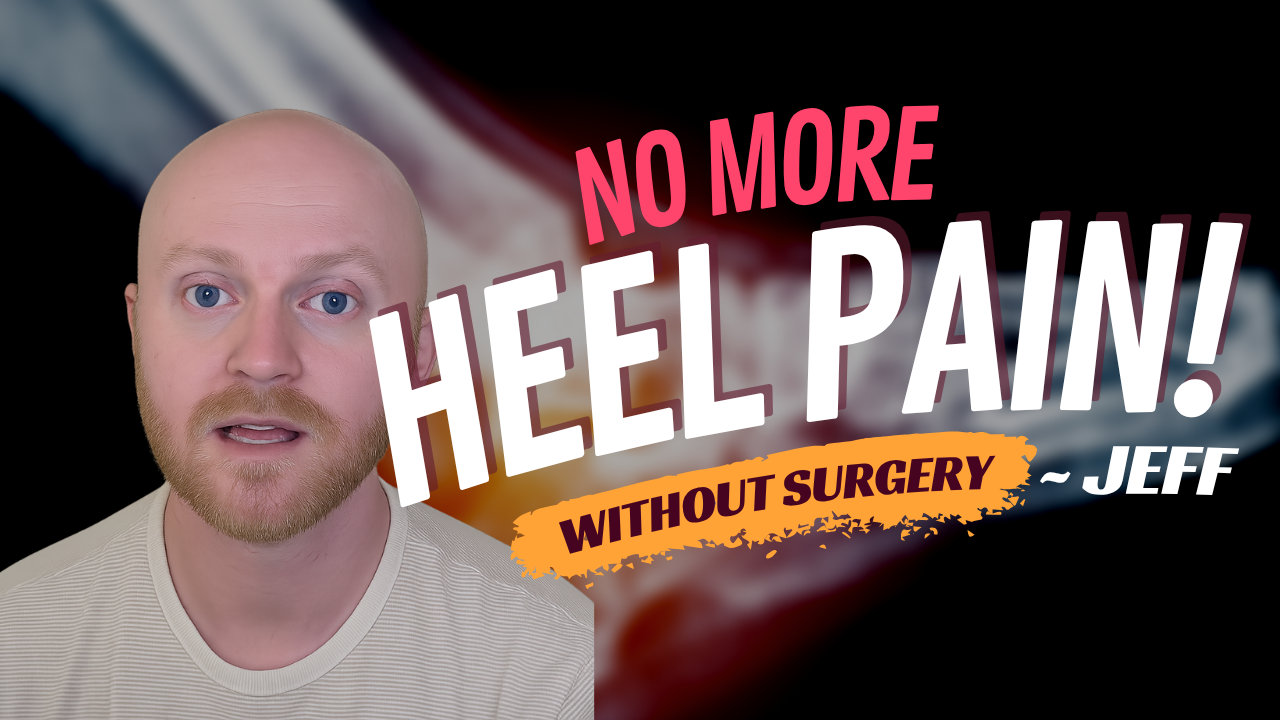
Plantar fasciitis is a debilitating condition that affects millions, often turning simple joys like walking or standing into painful challenges. For Jeff, a tech professional and father of three, this common yet complex foot ailment disrupted his life for over six years. Despite trying countless remedies—from custom orthotics to night splints and physical therapy—nothing provided lasting relief.
That all changed with one life-altering decision: trying ESWT (Extracorporeal Shock Wave Therapy). In this blog, we’ll walk through Jeff’s personal journey from relentless foot pain to reclaiming his life, shedding light on a promising solution many sufferers have never considered.
What Is Plantar Fasciitis and Why Is It So Persistent?
Plantar fasciitis is a condition characterized by inflammation of the plantar fascia, the thick band of tissue connecting your heel bone to your toes. It commonly causes sharp, stabbing pain in the heel, particularly with the first steps in the morning or after periods of rest. While it often starts subtly, it can become a chronic issue when not effectively addressed early on.
The persistence of plantar fasciitis stems from several factors. First, the plantar fascia supports the arch of the foot and absorbs significant stress during walking or standing. Repeated strain can cause microtears in the tissue, which, if left untreated, lead to prolonged inflammation. Many sufferers, like Jeff, inadvertently worsen their condition by continuing to move in ways that exacerbate the damage—such as walking barefoot on hard surfaces or standing for long periods.
Additionally, plantar fasciitis can be difficult to heal because the foot is in constant use. Even with rest, the tissue doesn’t always get the recovery time it needs. And once chronic, the body can respond by forming heel spurs or excessive tissue thickening, complicating recovery.
The condition can resist traditional interventions, turning into a multi-year struggle. For individuals like Jeff, who tried everything from orthotics to physical therapy, it’s not just a matter of pain—it’s about losing mobility, freedom, and quality of life. Understanding why plantar fasciitis is so persistent helps clarify why more advanced interventions like ESWT may be necessary.
Related: Amniotic Fluid Therapy for Podiatric Care: What Patients Need to Know
The Limitations of Traditional Treatments: Jeff’s Exhaustive Search for Relief
Many plantar fasciitis sufferers begin with conventional treatments like stretching exercises, orthotics, or physical therapy. For some, these options offer temporary relief. For others—like Jeff—they become an expensive, time-consuming journey with minimal results. Jeff spent six years trying nearly every recommended treatment with little to no lasting success.
His story includes the use of custom orthotics, over-the-counter insoles, compression socks, and even night splints. He experimented with shoe brands designed for foot support, including Brooks and HOKA, as well as Birkenstocks. He applied taping techniques, used toe spacers, performed the Ratliff protocol, and even endured dry needling and massage gun therapy. Despite this comprehensive effort, the pain persisted.
What makes plantar fasciitis particularly frustrating is how inconsistently these treatments work. They might ease discomfort for a time but often fail to address the root cause—tissue thickening and calcification. Worse, some approaches demand constant daily effort with no guarantee of success, leaving patients exhausted and discouraged.
Jeff’s experience is a powerful reminder that traditional methods, while valuable for many, aren’t universally effective. Chronic sufferers often feel stuck in a cycle of trying, hoping, and hurting. This is where alternative therapies come into play. Jeff’s decision to try ESWT was born from a combination of frustration and the desire to reclaim his life from a condition that had controlled it for far too long. For many others, this crossroads is all too familiar—a sign that it might be time to look beyond conventional paths.
Related: How ESWT Ended My 6-Year Heel Pain: Jeff’s Journey from Frustration to Freedom
Discovering ESWT: A Turning Point for Chronic Sufferers
After years of frustration, Jeff stumbled across a Facebook group dedicated to plantar fasciitis where people shared their experiences with ESWT—Extracorporeal Shock Wave Therapy. This alternative treatment piqued his interest, particularly because it targeted the root cause of chronic plantar fasciitis rather than just managing symptoms. Motivated by others’ success stories, he chose to travel across the country to try it for himself.
ESWT uses focused shock waves to stimulate healing in damaged tissue. The therapy promotes blood flow to the area and breaks down calcification in the plantar fascia, helping to reverse the degeneration caused by years of stress and inflammation. For chronic cases like Jeff’s, where standard approaches had failed, ESWT offered something different—hope backed by a biological mechanism of healing.
Here’s why ESWT stood out to Jeff:
- Non-surgical and minimally invasive: No incisions, no long-term downtime.
- Targets the source of pain: Helps dissolve calcification and reduces tissue thickness.
- Immediate visual feedback: Real-time ultrasound monitoring showed tangible progress.
- Tailored application: The specialist adjusted the treatment based on Jeff’s individual response.
- Encouraging recovery timeline: Jeff saw signs of healing within days and major improvements in weeks.
For many who’ve endured the cycle of temporary fixes, discovering ESWT feels like finally finding a path forward. Jeff’s choice to try ESWT wasn’t just another treatment—it was the decision that changed his life.
Related: Exosomes in Podiatry Care: What You Need to Know About This Cutting-Edge Treatment
What to Expect During an ESWT Procedure
Undergoing ESWT for plantar fasciitis can be an intimidating prospect, especially after countless other treatments have failed. Jeff’s experience provides a reassuring look into what the process actually involves. The procedure was carried out with care, professionalism, and a focus on real-time results.
Upon arriving at the clinic, Jeff first completed a set of diagnostic steps. X-rays of his feet were taken to assess heel spurs and tissue thickness, allowing the physician to personalize the treatment. This level of diagnostic clarity helped identify the severity of the calcification and guided the strategy for the session.
The ESWT machine delivers high-intensity shockwaves to the affected area, and the procedure starts with a few local anesthetic injections. Jeff recalled these shots as painful but brief—around 20 seconds of discomfort per foot. After the anesthesia took effect, the rest of the process was relatively painless. The physician used ultrasound throughout the treatment, offering visual confirmation as the calcified areas began to break apart. This monitoring was critical, not just for patient assurance but for ensuring effectiveness.
The shockwaves are applied while the provider manipulates the foot’s position to ensure full coverage of the affected fascia. This hands-on, adaptive approach ensured that Jeff’s treatment targeted every necessary angle.
For many patients, understanding what happens during ESWT helps alleviate anxiety. It’s not a passive, one-size-fits-all process; it’s a guided, responsive treatment aimed at addressing the exact source of chronic plantar fasciitis pain.
Related: The Science of Amniotic Injection Therapy for Foot and Heel Pain Management
The Recovery Process: A Patient’s Perspective Week by Week
Recovery from ESWT isn’t instantaneous, but for many—like Jeff—it signals the beginning of true healing. His detailed account offers insight into what others might expect during the recovery phase from plantar fasciitis. While experiences vary, Jeff’s week-by-week progression provides a helpful guidepost.
Here’s how his recovery unfolded:
- Days 1–3: Initial soreness set in after the anesthesia wore off. Jeff experienced discomfort, particularly in the evenings, but followed his stretching regimen and used a cooling lotion to manage pain. Sleep was unaffected.
- Days 4–9: Jeff noticed subtle improvements but also faced the mental challenge of interpreting pain—was it from recovery or a return of plantar fasciitis? Light walking (6000–8000 steps on busy days) led to soreness, but less so when he took it easy.
- Week 3: He remained cautious and limited his activity to roughly 5000 steps daily. Pain was manageable, and stretching remained a core part of his routine.
- Week 4: Jeff reintroduced walking in short intervals, gradually building up to 6000+ steps per day. He monitored pain intensity and recovery time after each walk.
- Week 7 and beyond: By month two, Jeff hit 8000 steps daily, and by month four, he comfortably managed 11,000. He also began strength training to support long-term recovery.
The key takeaway from Jeff’s journey is that recovery takes time, patience, and consistency. ESWT opens the door to healing, but what follows requires active participation and trust in the process.
Long-Term Benefits and Lifestyle Changes Post-Treatment
Seven months after his initial ESWT procedure, Jeff’s life had transformed. For the first time in over six years, he could walk, stand, and engage in everyday activities without constantly thinking about foot pain. But his success wasn’t due to the procedure alone—it was also rooted in the lifestyle changes he made after treatment.
Once the ESWT cleared the calcification and reduced inflammation in his plantar fascia, Jeff took proactive steps to prevent recurrence. He hired a fitness and nutrition coach three months post-procedure to help strengthen his lower body and reduce the strain on his feet. Weightlifting became a regular part of his routine, focusing on building the muscles that support foot function. He also managed to lose 35 pounds, further decreasing the daily impact on his heels.
Jeff’s experience highlights an essential truth for those with chronic plantar fasciitis: healing isn’t just about one breakthrough procedure. It’s about what you do with the opportunity that healing provides. By combining ESWT with strength training, weight management, and continued stretching, he not only recovered but built a stronger, more resilient foundation.
Today, Jeff averages over 11,000 steps per day without pain—a milestone that once seemed impossible. He no longer plans his life around his feet. This kind of outcome underscores the potential for lasting change when treatment is paired with smart, intentional habits. For chronic sufferers, Jeff’s journey is a powerful example of what’s possible when the right treatment meets personal commitment.
Ready to take your first step toward lasting relief? If you’re struggling with chronic plantar fasciitis and conventional treatments haven’t worked, consider scheduling a consultation with Mid-Ohio Foot and Ankle Specialist in Lewis Center, Ohio. Dr. Vincent J. Staschiak – DPM, FACFAS, APWHC and his expert team offer advanced ESWT therapy and personalized care designed to help you heal and reclaim your life. Don’t wait—your pain-free future could start today.