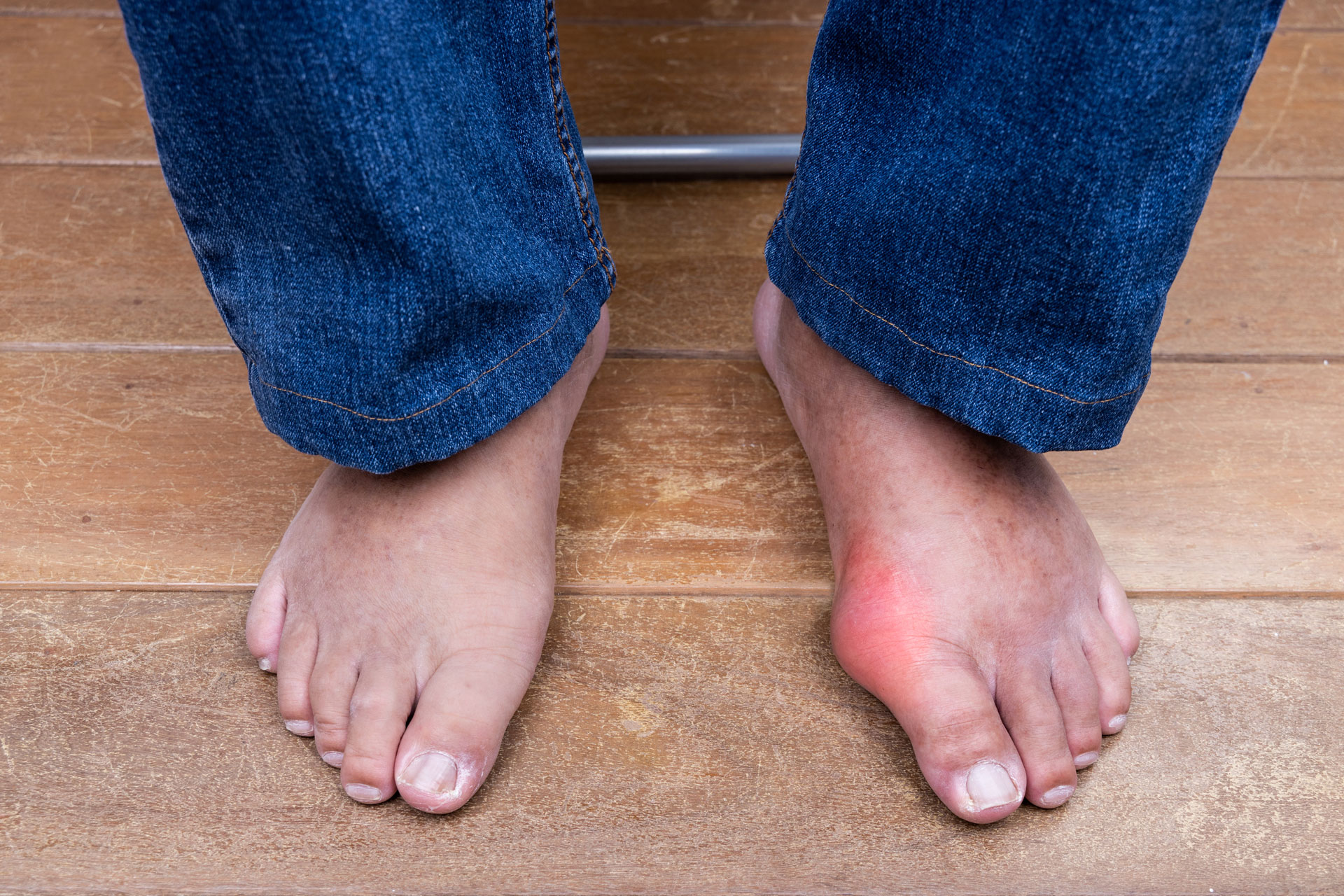
Bunions can cause persistent pain, swelling, and discomfort that make even simple activities like walking or wearing shoes a challenge. Many people struggling with this condition seek relief through conservative treatments such as orthotics, footwear adjustments, or pain medication, while others turn to surgery as a last resort. However, recent advancements in regenerative medicine are opening the door to new, less invasive possibilities for bunion care.
Regenerative medicine focuses on using the body’s own healing mechanisms to repair or restore damaged tissues. Instead of merely managing symptoms, it aims to address the root cause of joint and tissue problems by stimulating natural repair and regeneration. For bunions—where joint misalignment and soft tissue damage play a major role—these therapies may offer a promising alternative to traditional treatments.
In this blog, we’ll explore how regenerative medicine could transform bunion care, the types of therapies being studied, and what individuals dealing with bunions should know about this rapidly developing field.
Understanding Regenerative Medicine and How It Works
Regenerative medicine is a field focused on repairing or replacing damaged tissues using the body’s own cells, growth factors, and biological processes. Unlike traditional treatments that primarily manage symptoms, regenerative medicine aims to restore normal structure and function by promoting healing from within. It leverages the body’s natural ability to regenerate cells and repair tissue damage, which makes it an exciting area of study for chronic musculoskeletal conditions.
At its core, regenerative medicine involves stimulating the body’s healing response using biologically active materials. These may include stem cells that can differentiate into various tissue types, platelet-rich plasma (PRP) that releases healing growth factors, or other biologically derived substances that support repair. In the context of bunions, where soft tissue inflammation and joint degradation are common, regenerative approaches could help restore the natural balance of the affected area.
The goal of regenerative medicine is not only to reduce pain but to encourage real healing at the cellular level. For individuals living with bunions, this could mean improved mobility, less inflammation, and potentially avoiding surgical correction altogether.
Related: Heel Pain Treatment Made Easier with Amniotic Injection Therapy
What Causes Bunions and Why They’re Difficult to Treat
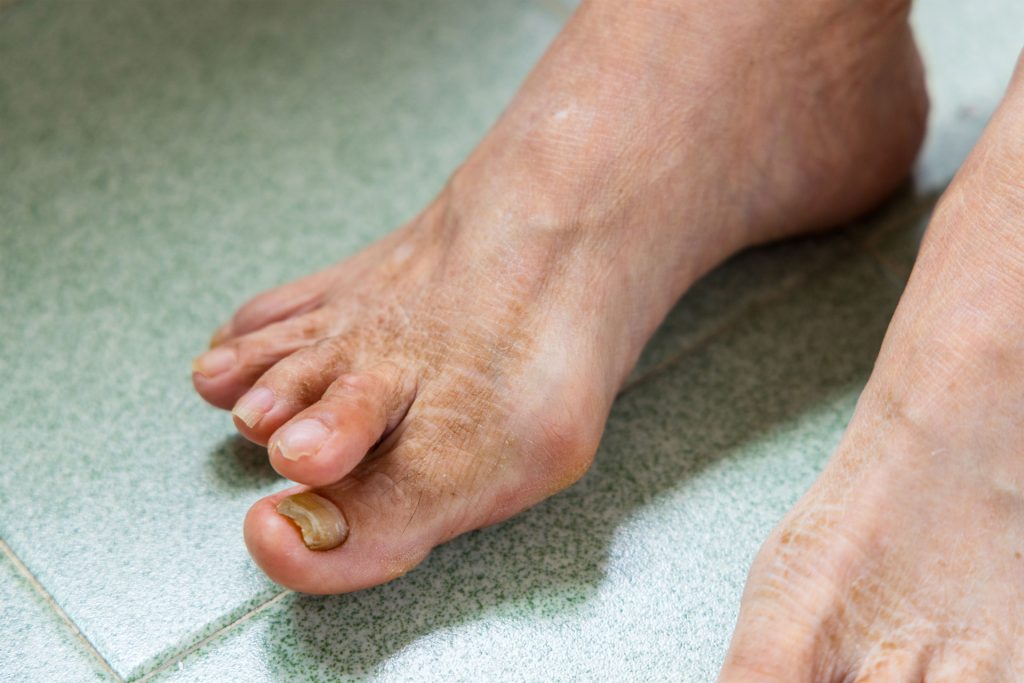
A bunion, medically known as hallux valgus, forms when the big toe gradually drifts toward the smaller toes, creating a bony bump at the base of the toe joint. This misalignment often develops over years due to a combination of genetics, improper footwear, flat feet, or arthritis. Once the joint becomes displaced, it causes pain, swelling, and difficulty fitting into shoes comfortably.
Bunions are particularly difficult to treat because the deformity affects both bone and soft tissue. Over time, the ligaments and tendons surrounding the big toe stretch and weaken, leading to inflammation and reduced joint stability. Even with supportive footwear or orthotics, the underlying structural misalignment tends to persist.
While surgery can correct bone positioning, it comes with recovery time and the risk of recurrence. Non-surgical methods like padding or anti-inflammatory medication only relieve symptoms temporarily. This is why many people are now turning their attention to regenerative medicine—it offers the possibility of addressing tissue damage and inflammation without surgical intervention. For those frustrated by limited long-term results, regenerative therapies may one day provide a sustainable way to restore function and comfort.
Related: Can Exosomes Reduce Heel Pain Without Surgery? Here’s What You Should Know
Traditional Bunion Treatments and Their Limitations
Traditional bunion treatments are designed primarily to relieve discomfort rather than correct the underlying issue. Non-surgical options such as orthotic inserts, toe spacers, and specialized shoes can reduce friction and pressure on the bunion, helping patients manage pain on a daily basis. These methods may slow progression, but they cannot reverse the joint misalignment or repair damaged tissue.
Physical therapy and anti-inflammatory medications are also common approaches to reduce pain and swelling. However, these methods depend on consistent use and often only provide temporary relief. When conservative care fails, surgery is typically recommended to realign the joint and remove excess bone.
While bunion surgery can be effective, it also carries risks such as stiffness, infection, or prolonged recovery. In some cases, the bunion can even return over time. That’s where regenerative medicine offers potential hope—it focuses on healing and strengthening the tissues that support the toe joint. By improving joint integrity at the biological level, regenerative approaches might one day enhance both surgical and non-surgical outcomes for bunion patients.
Related: Understanding Exosomes and Their Role in Healing Chronic Heel Pain
How Regenerative Medicine Could Help Repair Bunion Damage
Regenerative medicine has the potential to transform how bunions are treated by targeting the soft tissue damage, inflammation, and early joint degeneration that accompany the condition. Bunions often involve more than just bone misalignment—the surrounding tendons, ligaments, and cartilage also suffer wear and tear over time. Regenerative therapies aim to restore these tissues, improving joint stability and reducing chronic pain.
For example, platelet-rich plasma (PRP) injections deliver concentrated growth factors directly into the affected area. These growth factors can stimulate cell repair, reduce inflammation, and promote tissue regeneration. Similarly, stem cell-based treatments introduce cells capable of differentiating into cartilage or connective tissue, potentially repairing structures weakened by prolonged stress or injury.
By supporting natural healing, regenerative medicine could improve flexibility and function in the big toe joint. For individuals hoping to avoid surgery, this represents a significant step forward. Although research is still ongoing, early studies suggest that regenerative therapies may enhance tissue resilience, making them a valuable complement to existing bunion management strategies.
Related: Regenerative Medicine and Its Impact on Sports Injuries in Podiatry
Types of Regenerative Therapies Being Explored for Bunions
Several forms of regenerative medicine are being researched for potential use in bunion care. While many are still in the early stages of clinical testing, they represent promising tools for supporting natural healing and reducing inflammation. Some of the most common regenerative therapies include:
- Platelet-Rich Plasma (PRP) Therapy: Uses a patient’s own blood, spun to concentrate growth factors, which are then injected into the affected area to promote healing.
- Stem Cell Therapy: Utilizes stem cells derived from bone marrow or adipose (fat) tissue to help regenerate cartilage, ligaments, and soft tissue around the bunion.
- Prolotherapy: Involves injecting a mild irritant to trigger the body’s natural repair response, strengthening the ligaments and joint tissues.
- Exosome Therapy: Focuses on tiny cellular messengers called exosomes that help regulate inflammation and tissue regeneration.
These therapies aim to enhance recovery and reduce discomfort without the invasiveness of surgery. For individuals struggling with bunion pain, regenerative medicine may one day provide new treatment options that restore mobility and comfort naturally.
What to Consider Before Trying Regenerative Treatments
Before exploring regenerative therapies for bunions, it’s important to understand what these treatments involve and whether they’re suitable for your specific condition. Since regenerative medicine is still an emerging field, availability, cost, and evidence levels can vary widely. Patients should discuss their options with a licensed healthcare provider who has experience in regenerative procedures.
Here are key factors to consider before moving forward:
- Medical Assessment: A thorough evaluation is essential to determine if regenerative therapy is appropriate for your bunion’s severity and structure.
- Practitioner Credentials: Only seek care from trained professionals who specialize in regenerative medicine and musculoskeletal health.
- Treatment Expectations: While some people experience relief, results can differ depending on individual response and treatment type.
- Cost and Coverage: These therapies are often considered experimental and may not be covered by insurance.
- Long-Term Research: Regenerative medicine for bunions is promising, but large-scale studies are still needed to confirm its long-term effectiveness.
Being well-informed helps ensure safe and realistic decisions. As regenerative treatments continue to evolve, they may become a valuable part of comprehensive bunion management.
If you’re struggling with bunion pain and want to explore advanced, non-surgical options rooted in regenerative medicine, schedule a consultation with Vincent J. Staschiak – DPM, FACFAS, APWHC at Mid-Ohio Foot and Ankle Specialist in Lewis Center, Ohio. Discover how modern podiatric care and regenerative therapies can help restore comfort, mobility, and long-term foot health.